

Getting Ready Wedding Photos
How to Keep the Morning Calm and Natural
Planning your wedding usually starts with a simple idea. You want a day that feels like you, where you can spend time with your people and actually take it in as it happens.
At some point, though, the morning starts to feel like something you need to “get right.” Getting ready photos, outfits, timing… suddenly it feels like there’s a lot to think about before the day has even properly begun.
That’s usually where the pressure creeps in.
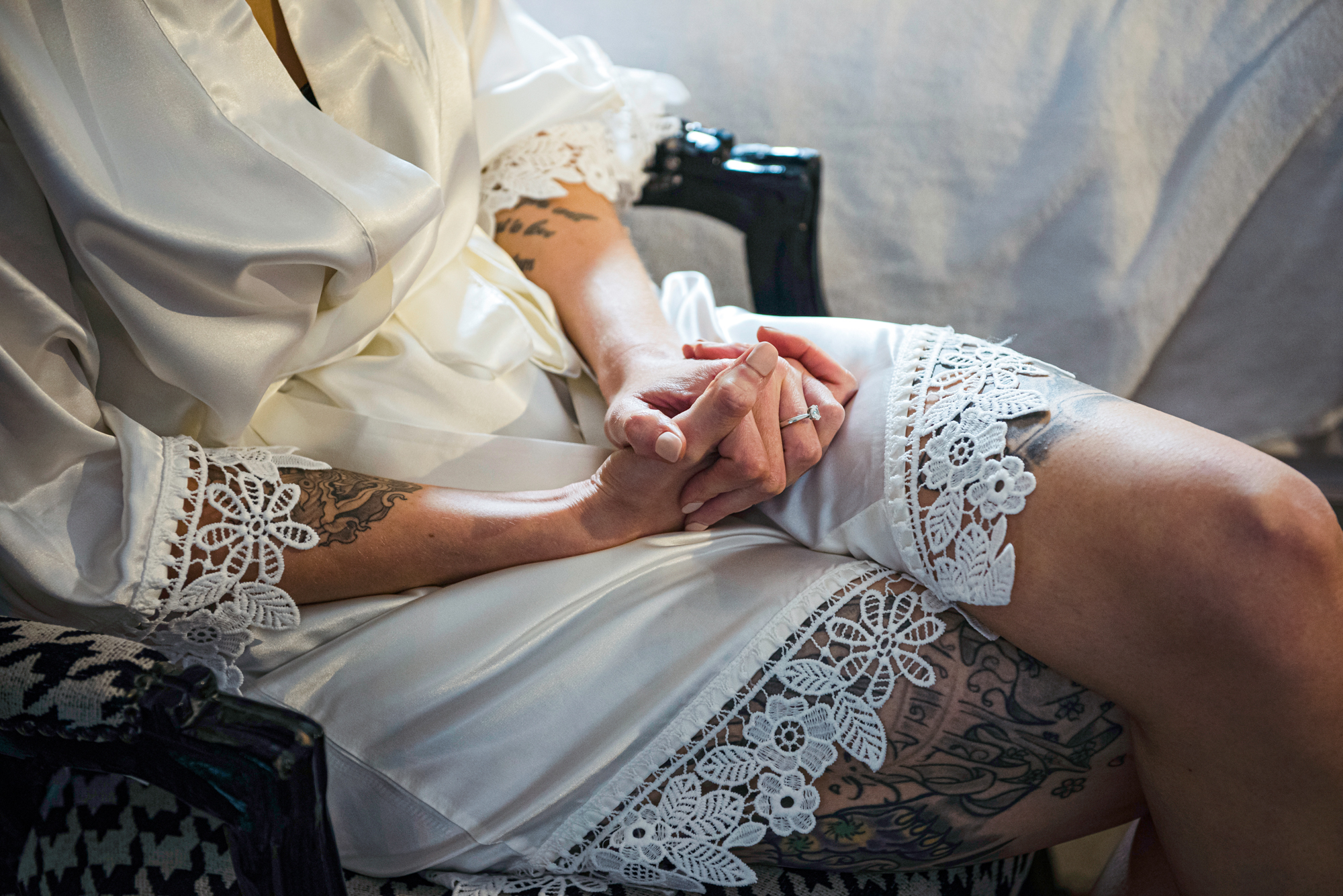
Hi, I’m Eszter, a Bristol-based wedding photographer, and this is something I see at almost every wedding. Not because couples are doing anything wrong, but because there’s a lot of expectation around a part of the day that should feel simple.
If you’re trying to keep the morning relaxed without losing what makes it meaningful, this guide will walk you through what does and doesn’t matter.
What Getting Ready Wedding Photos Actually Feel Like
Most advice online focuses on how these photos should look: styled details, matching robes, perfectly tidy rooms.
But the reality is much less controlled, and that’s exactly the point.
The morning usually feels a bit busy, a bit scattered, and very real. People move in and out, conversations overlap, someone is always looking for something, and there’s a quiet shift happening as everything starts to feel more significant.

That’s not something to fix or organise into perfection.
Getting ready isn’t a photoshoot. It’s a transition. When it’s approached in a way that respects that, the photos stop feeling staged and start reflecting what was actually there.
This is where approaches like documentary-style wedding photography come into their own. Nothing needs to be arranged or interrupted, which means you can stay present while everything unfolds naturally.
Do You Even Need Getting Ready Photos?
You don’t need them in a practical sense. Your wedding day will happen exactly the same way whether the morning is photographed or not.
But for many couples, this part of the day ends up being more important than they expected.
It’s often the only time when things feel relatively quiet and close. You’re surrounded by a smaller group of people, there’s space to breathe, and moments happen without much structure. That changes quickly once the day moves on.
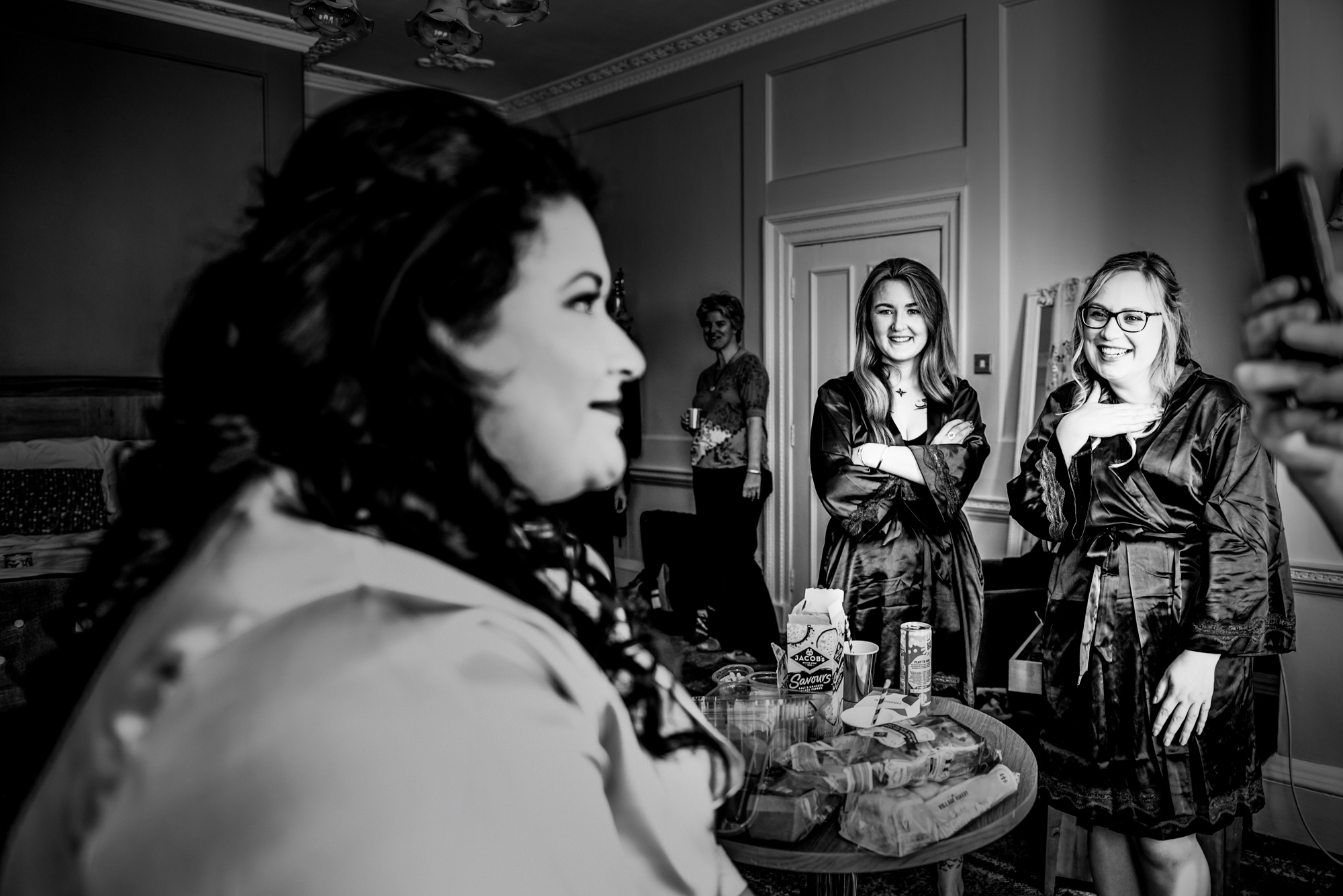
When photography is handled in a calm, unobtrusive way, it doesn’t feel like an extra layer added on top. It simply becomes part of the experience.
That’s also why many couples naturally lean towards candid wedding photography and natural wedding photography, even if they didn’t plan it that way. It matches how the morning already feels, rather than changing it.
What Usually Happens During the Morning
(Realistically)
One of the biggest reasons the morning can feel overwhelming is uncertainty. Not knowing what actually happens makes it harder to plan it in a way that feels calm.
In reality, most wedding mornings follow a similar rhythm, even if they look different on the surface.
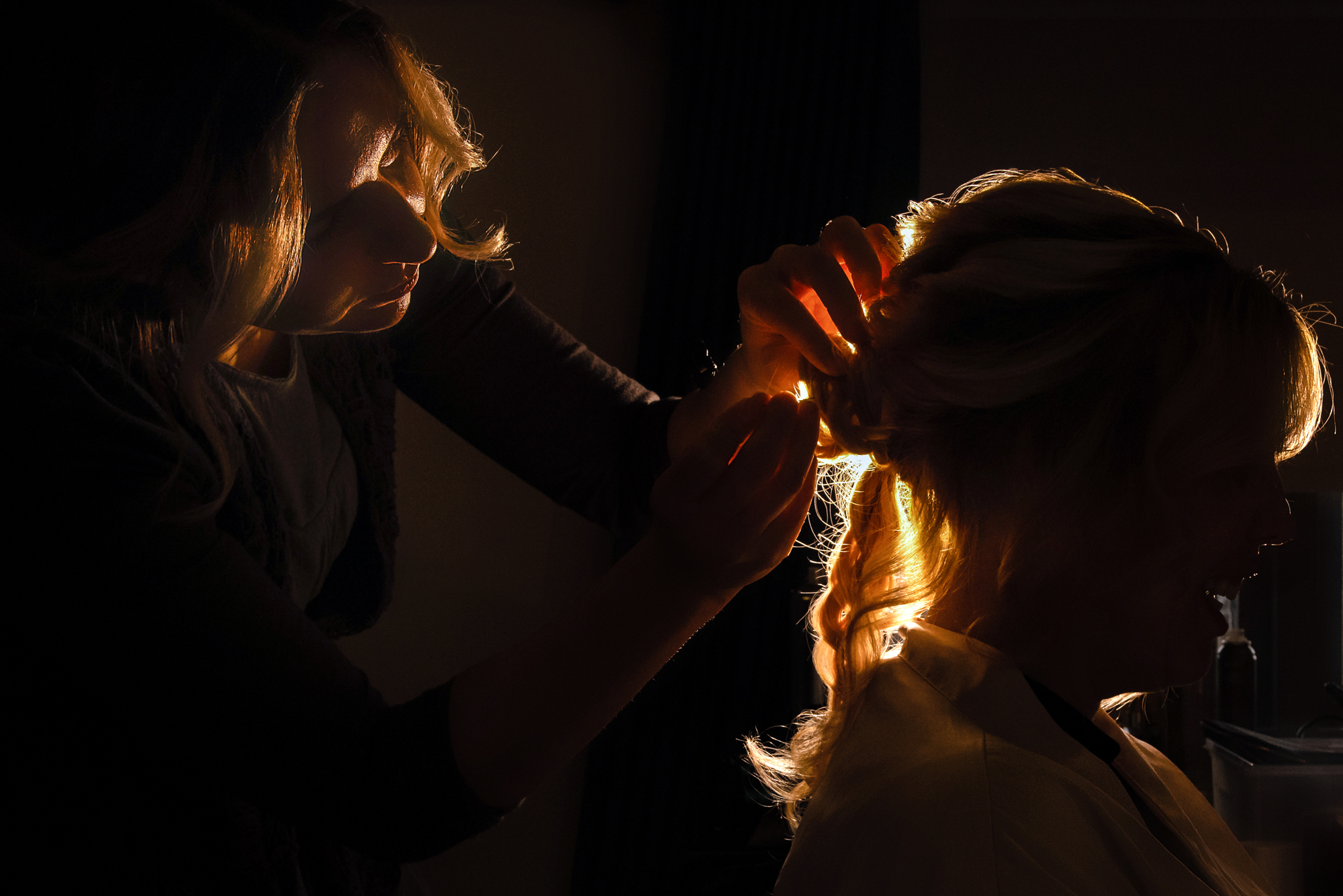
You’ll usually have:
- Hair and makeup are happening in the background
- People arriving, leaving, and checking in
- Small moments of pause between activity
- A gradual shift in energy as the ceremony gets closer
And then, closer to the end:
- Getting dressed
- Final touches
- A quieter moment before leaving

What makes the difference is not what happens, but how much space you have to move through it without feeling rushed.
This is where timing plays a bigger role than most people expect. If the morning is too tight, everything starts to feel compressed. If there’s a bit more room, the whole experience changes.
If you want to understand how this fits into the rest of the day, it helps to look at a full wedding-day timeline rather than plan the morning in isolation.
What Affects Your Getting Ready Photos Most
When people think about getting ready photos, they often focus on poses or details. In reality, those things matter far less than the environment you’re in and how the morning flows.
There are three things that consistently shape how these photos turn out.
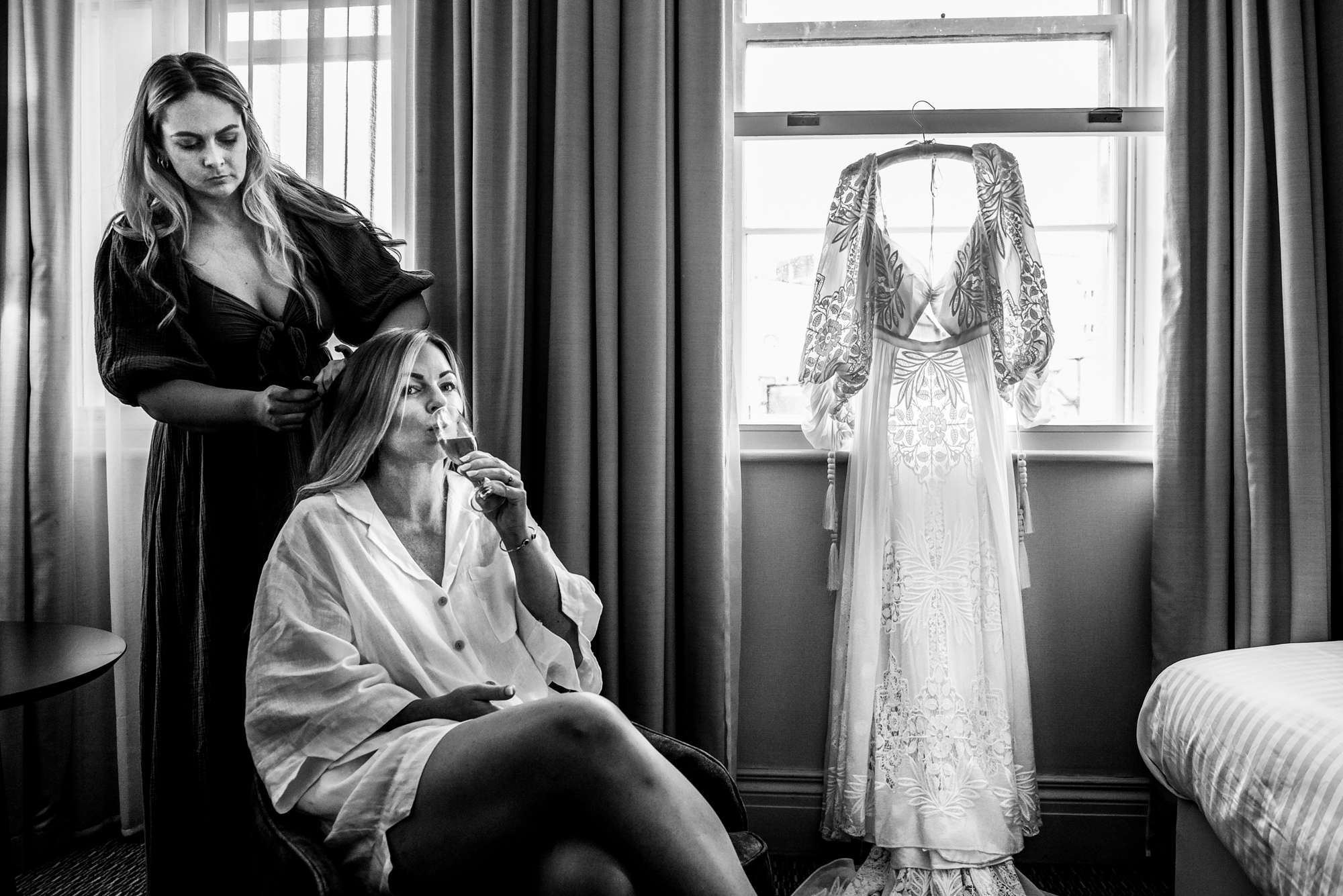
Light and Space
This is the biggest one, and it’s often overlooked.
A bright, uncluttered space gives you room to move, breathe, and relax. It also helps everything feel a bit calmer, even when there’s a lot going on. On the other hand, a small, crowded room can quickly feel overwhelming, both in person and in photos.
This doesn’t mean you need a luxury suite or a perfectly styled location. What matters more is:
- Natural light (windows make a huge difference)
- Enough space for people to move around comfortably
- A relatively clear area where you can get dressed without rushing
This is also why your venue choice has more impact than most people expect. It doesn’t just affect the ceremony or reception; it shapes how your day begins.
If you’re curious why certain rooms just feel calmer and photograph better, this guide from Digital Photography School explains how natural light shapes a space’s mood.

The People Around You
The morning isn’t just about logistics. It’s about energy.
Who you choose to have with you will shape how the space feels. A smaller, more intentional group often creates a calmer atmosphere, while a larger group can bring more noise and movement.
There’s no right or wrong here, but it helps to be aware of what you need.
Ask yourself:
- Do I want a quiet, slower start to the day?
- Or do I enjoy being surrounded by lots of people and activity?
Building the morning around that makes a bigger difference than any styling choice.
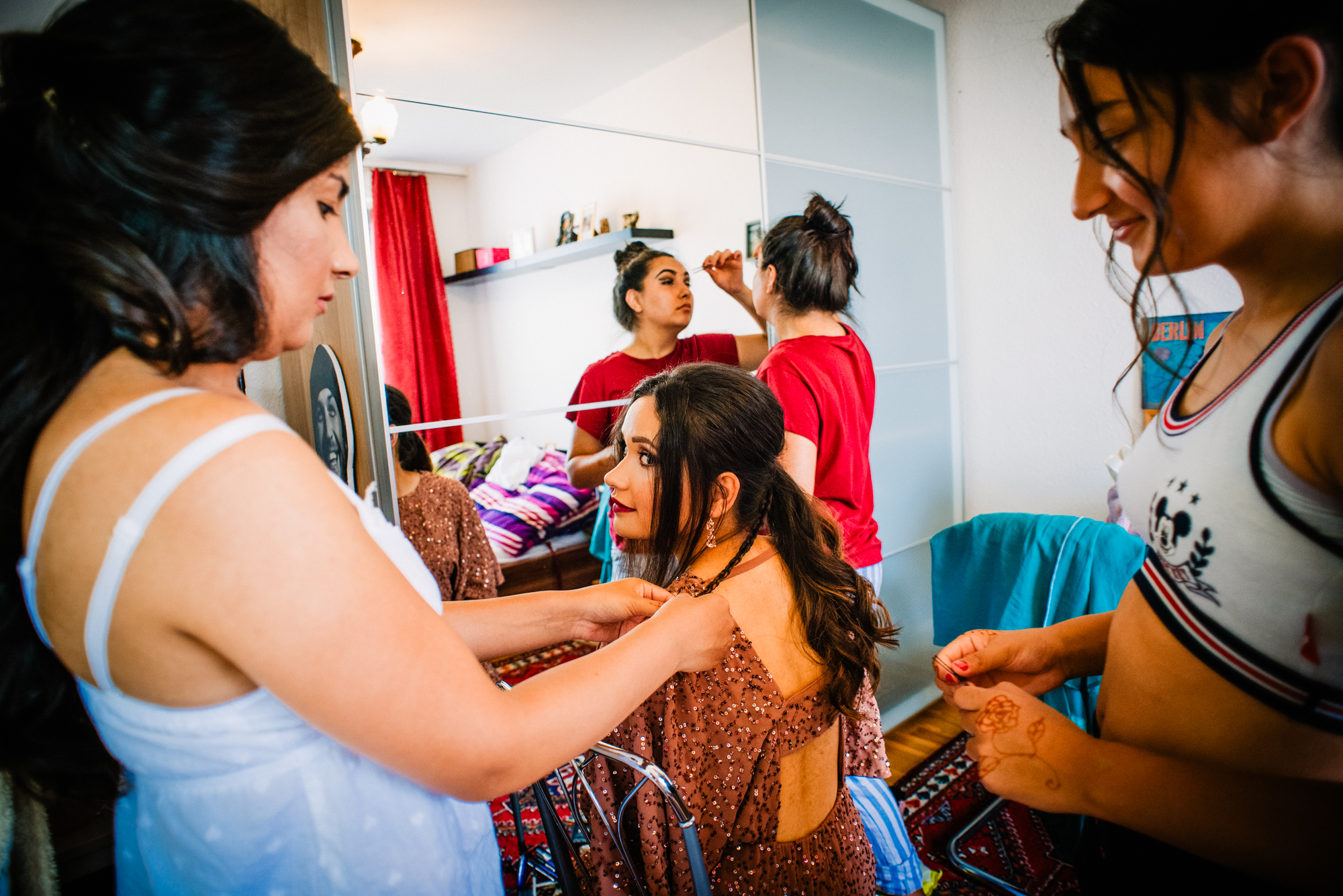
Time Pressure
This is the one that changes everything.
If the morning runs tight, even simple moments start to feel rushed. Conversations get cut short, getting dressed becomes something to “fit in,” and the whole experience can feel slightly compressed.
With more time, things naturally slow down. You don’t need to think about what’s next, and that shows in how everything feels and looks.
A few small adjustments can make a big difference here:
- Add buffer time between key moments
- Avoid scheduling things back-to-back
- Give yourself space before leaving
If you’re not sure how much time you actually need, a clear wedding day timeline helps. It gives you structure without making the day feel rigid.
How to Avoid Awkward or Staged Photos
This is one of the biggest worries couples have, especially in the morning when everything still feels a bit unfamiliar.
The good news is that awkwardness usually doesn’t come from you. It comes from how the situation is set up.
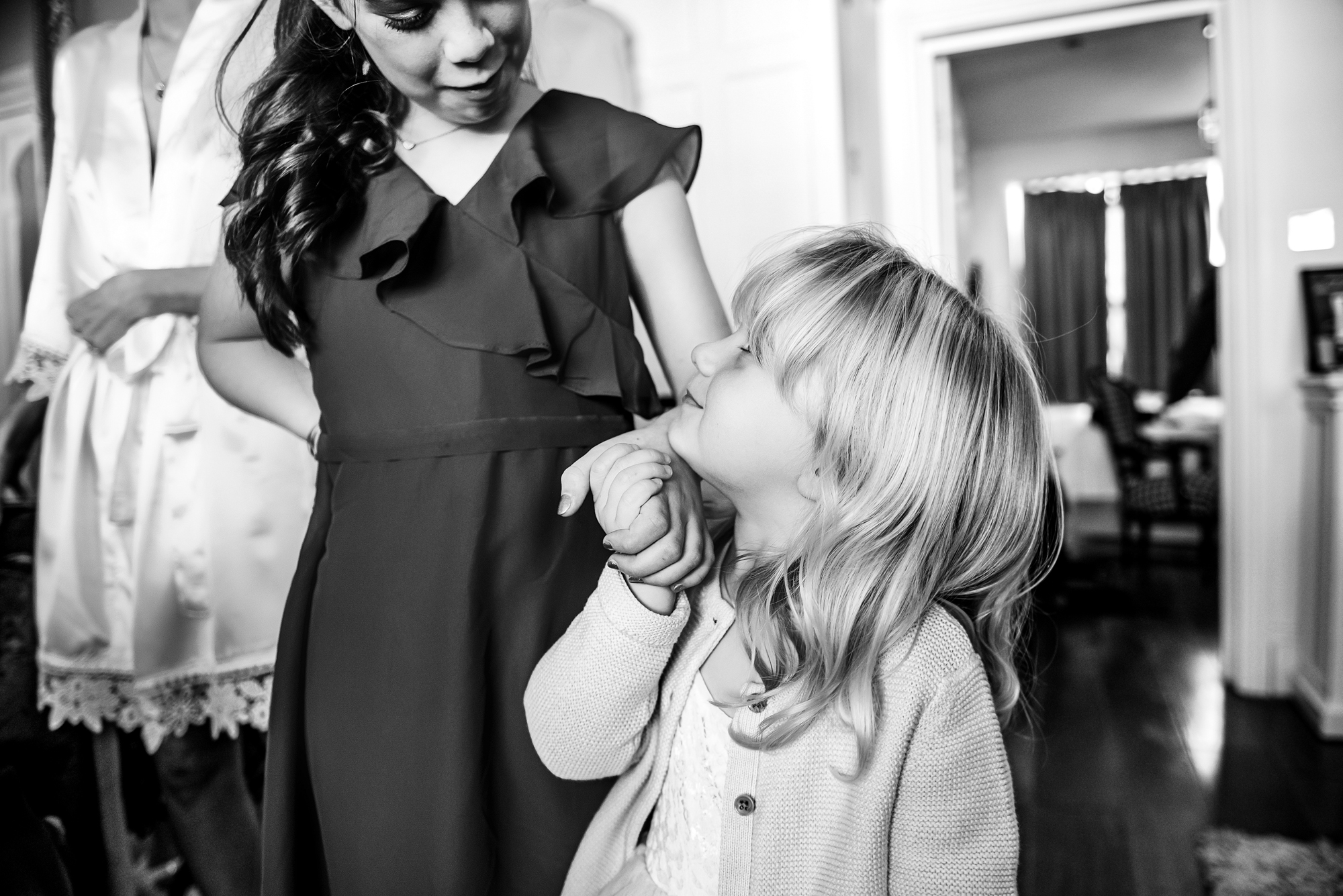
When the focus is on creating specific shots, people become more aware of the camera. That’s when things start to feel unnatural.
A more relaxed approach shifts that completely.
Instead of thinking about what you should be doing, the focus stays on what’s already happening. Conversations continue, moments aren’t interrupted, and you’re not being asked to repeat or recreate anything.
That’s why this part of the day works so well with a documentary approach. It allows you to stay present, rather than stepping out of the moment to perform for a photo.
If you’re trying to plan everything in advance, hopefully my ultimate wedding photography checklist will help you. This is definitely not a strict list to follow, but as a way to understand what actually matters and what can unfold naturally.
How Much Time Do You Really Need
This is one of the most common questions, and also one of the easiest places for things to go wrong.
Most timelines underestimate the morning. Not by a huge amount, but just enough to create pressure.
In reality, getting ready is not a single moment. It’s a series of small transitions that take longer than expected, especially when you add people, movement, and emotion into the mix.
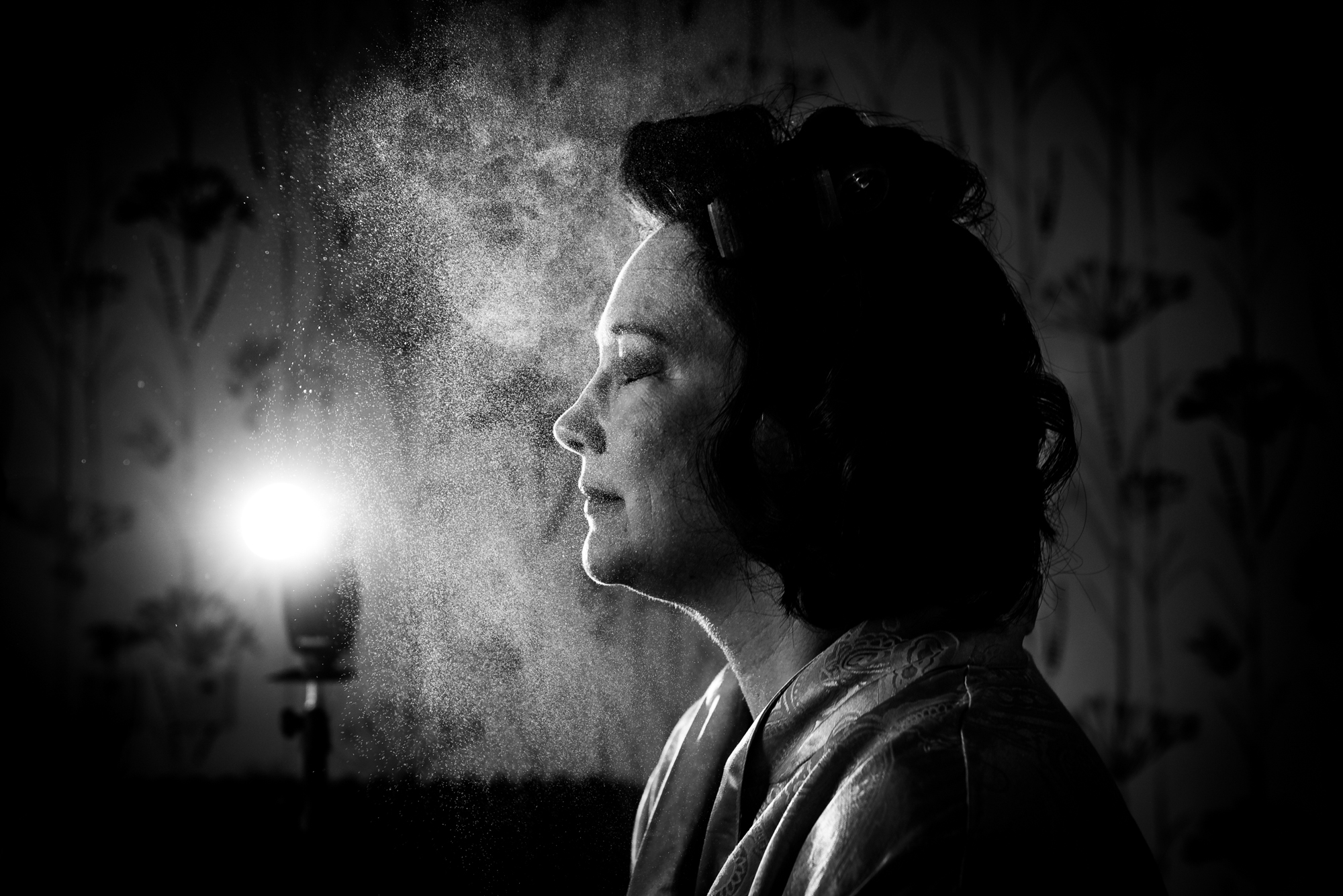
A simple way to think about it:
| Part of the morning | Typical time |
|---|---|
| Hair and makeup | 2–4 hours (depending on number of people) |
| Final details + getting dressed | 30–60 minutes |
| Buffer time (very important) | 20–30 minutes |
That buffer time is what protects the morning from feeling rushed. Without it, everything starts to feel slightly compressed, even if you’re technically “on time.”
What helps most is not adding more structure, but allowing a bit more space between things. That’s what gives you room to actually enjoy the moment instead of moving through it.
Do You Need One Photographer or Two?
This usually comes down to how your morning is set up.
If you’re getting ready in one location, with a fairly relaxed timeline, one photographer is often enough. There’s time to move between moments, and nothing feels missed.
If you’re getting ready separately, or the timeline is tighter, having two photographers can make a noticeable difference.
It allows both sides of the morning to be covered without rushing or splitting attention. It also keeps the pace calm, which matters more than most people expect.
You don’t need to overcomplicate this decision. A simple way to think about it:
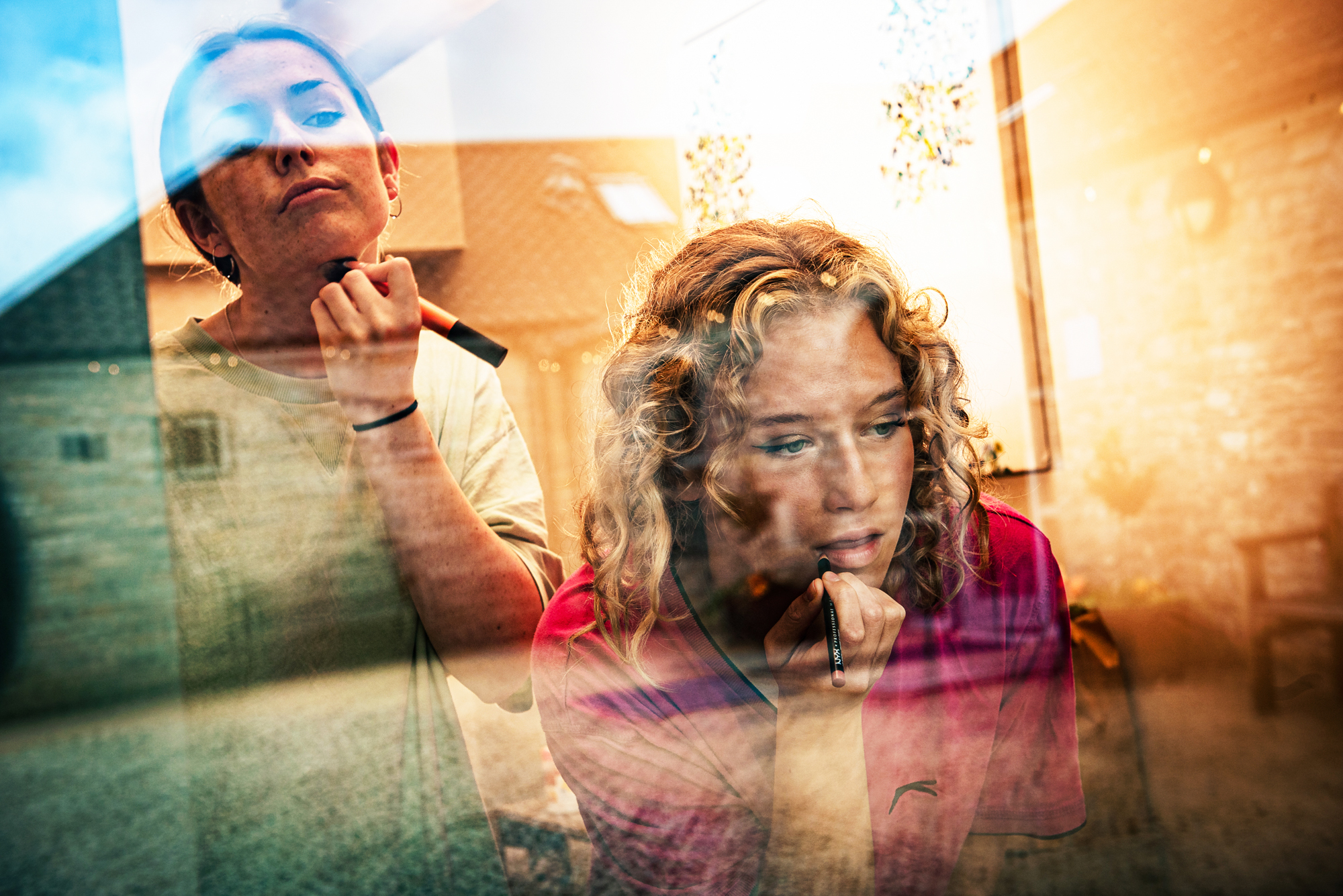
- One photographer works well if:
- You’re in the same location
- The timeline has space
- You prefer a quieter, more minimal presence
- Two photographers help when:
- You’re getting ready in different places
- Timing is tight
- You want both sides of the morning fully documented
If you’re unsure, you can explore this further in the “One photographer or two for wedding“ guide.
Simple Things That Make the Morning Feel Better
A calm morning isn’t about doing more. It’s usually about removing small sources of stress before they build up.
A few simple things can make a big difference:
- Keep the space as uncluttered as possible (even one clear corner helps)
- Have everything you need in one place before you start getting ready
- Choose a smaller group of people if you want a calmer atmosphere
- Build in more time than you think you’ll need
- Accept that not everything needs to be perfect
There’s also something to be said for being prepared in a practical way. Small, everyday items can quietly save the morning if something unexpected happens.
Having a simple wedding emergency kit must-haves nearby can take away a lot of last-minute stress without you having to think about it.

Planning Your Morning Without Overthinking It
It’s very easy to over-plan this part of the day, especially when you’re trying to avoid things going wrong.
But the morning works best when it’s lightly structured, not tightly controlled.
You don’t need a long list of shots.
You don’t need a perfect sequence of events, and you don’t need to be “doing something” at every moment.
What helps more is having a simple framework:
- A clear start time
- Enough space between key moments
- The right people around you
- A bit of flexibility
If those are in place, everything else tends to fall into place naturally.
A Quiet Way to Look at It All
The morning is not something you need to perfect.
It’s simply the beginning of your day.

If it feels calm, if you have space to breathe, and if you’re surrounded by people who make you feel like yourself, that will come through in everything that follows.
The photos are just a reflection of that.
And they don’t need anything extra to work.
Planning your
Wedding morning?
Hi, I’m Eszter.
I photograph weddings in a calm, natural way so you can stay present with your people without feeling watched or directed.
The getting-ready part of the day can feel surprisingly overwhelming.
There are more people around than expected, things rarely run exactly to plan, and it’s often the first moment where everything starts to feel real.
It’s easy to think you need to organise it, style it, or somehow get it “right.”
But at its core, the morning isn’t about perfection.
It’s about having a bit of space before everything begins. Time to settle in, to be with the people around you, and to let the day unfold without feeling rushed or managed.
When there’s room to breathe, everything shifts.
Our related guides
Let’s start our journey
Start by filling in the enquiry form, and we’ll take it from there. Don’t worry, you don’t need everything planned out yet. That’s why we are here, to help you on the way!
Hit send, and I’ll be in touch within 2 working days (I promise).
Not ready yet?
Why don’t you download our Relaxed Wedding Blueprint first? You’ll find timeline tips, ways to avoid the awkward photo stress, and small adjustments that make a big difference in your day.
