

How to Choose a Wedding Venue
(From Someone Who’s Seen Hundreds of Them on the Day)
So, you’re engaged. The champagne’s been popped, the group chat has exploded, and now everyone’s asking the same question: “Have you picked a venue yet?”
Deep breath.
Choosing your wedding venue is one of those decisions that feels massive, because it kind of is. It sets the tone for your whole day: the atmosphere, the flow, the energy, and yes, how your photos will look and feel for years to come.
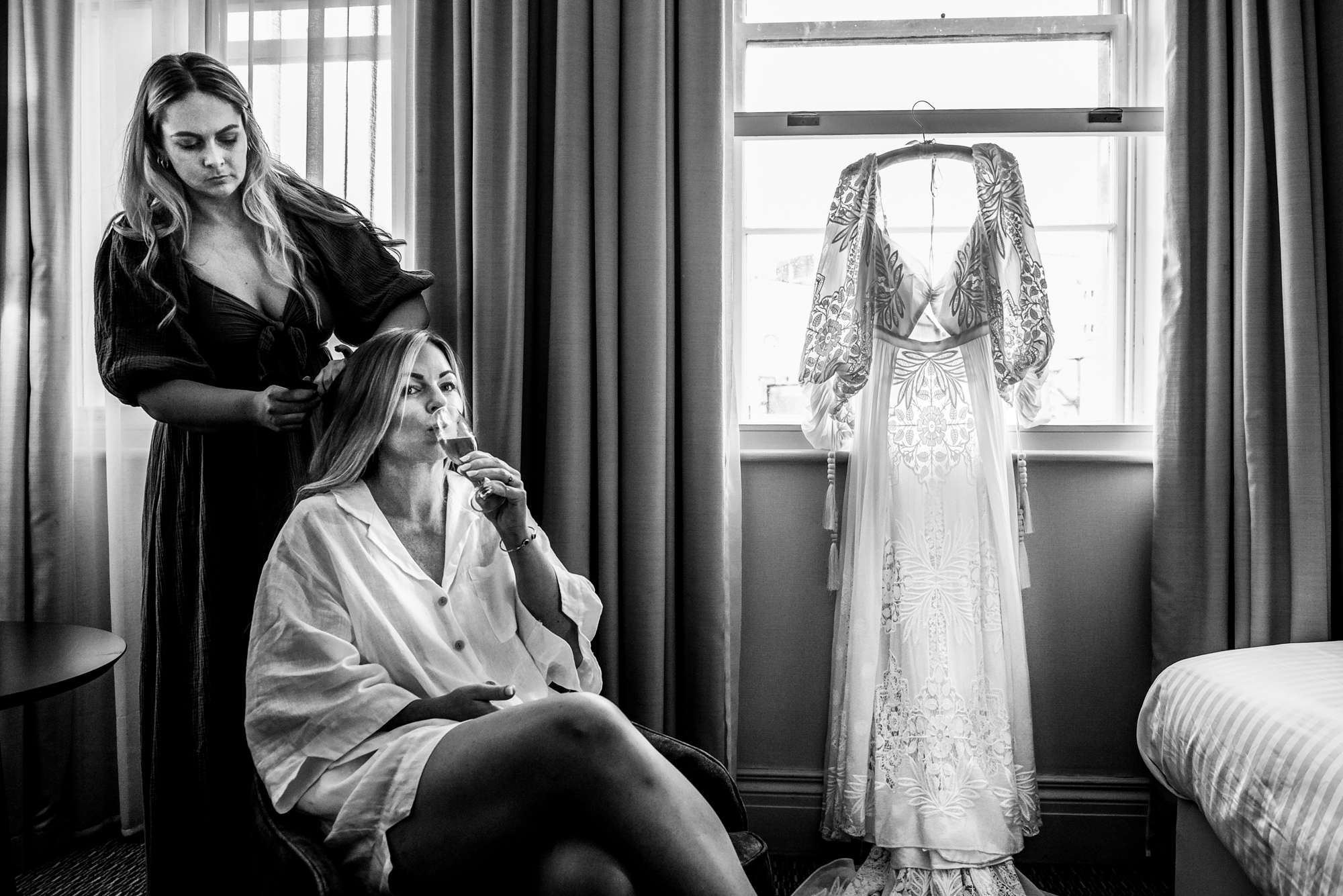
But here’s the thing. As a documentary-style wedding photographer who’s worked at venues all over the UK (and a few across Europe), I’ve seen what actually matters on the day, and it’s not always what the glossy venue brochure tells you.
So before you spiral into a Pinterest black hole at 2 am, let me walk you through what to really think about when choosing where to say your vows.
Start With How You Want the Day to Feel
I know this sounds a bit vague, but stay with me: it’s the most important thing.
Before you Google “best wedding venues near me,” sit down with your partner and talk about the feeling you want. Not the colour scheme. Not the table plan. The feeling.
Do you want it to be relaxed and intimate, with your closest people around a long table? Big and buzzy, with a dance floor that doesn’t empty until midnight? Outdoors with mud on your boots and fairy lights in the trees? Elegant and refined, in a space that does the heavy lifting so you don’t have to?
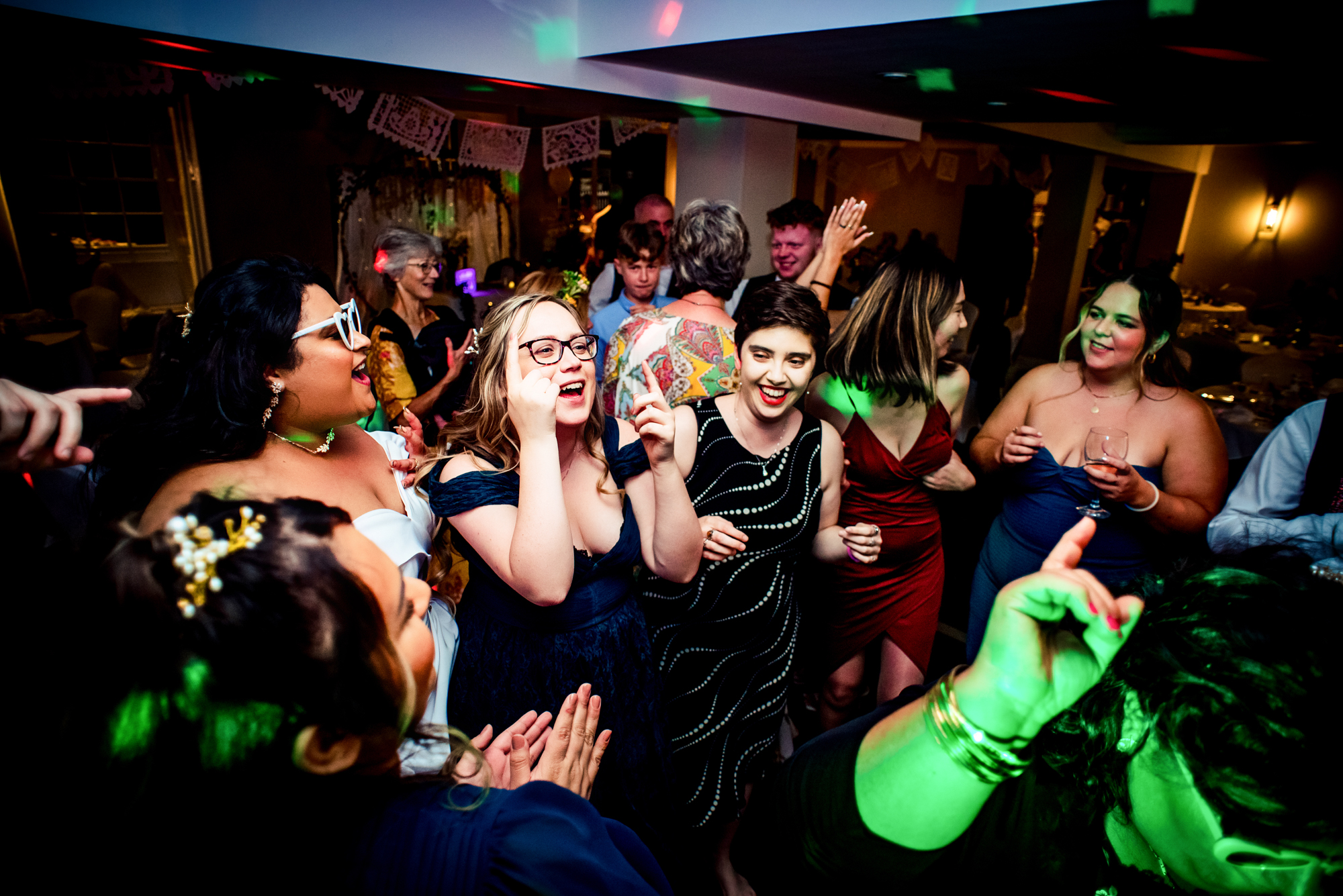
There’s no wrong answer here. But knowing the vibe you’re after will instantly narrow your search and save you from falling in love with a venue that looks incredible on a screen but doesn’t match who you actually are as a couple.
I’ve photographed weddings in converted barns, Georgian manor houses, city-centre restaurants, forest clearings, and a couple of really good pubs. The ones that feel the most magical? They’re always the ones where the venue matched the couple’s energy, not the other way around.
Think About Your People
(Before the Venue)
Guest count matters, and not just because venues have capacity limits.
A massive ballroom with 40 guests feels echoey and a bit lost. A cosy barn packed to the rafters with 200 people feels chaotic. You want a space that feels comfortably full: enough room to breathe, but close enough that it still feels like everyone’s part of the same celebration.
So before you book viewings, get a rough idea of your numbers. You don’t need a finalised list — just a ballpark. Are we talking 30? 80? 150? That alone will rule out (or rule in) a huge number of venues and save you a lot of wasted Saturdays.
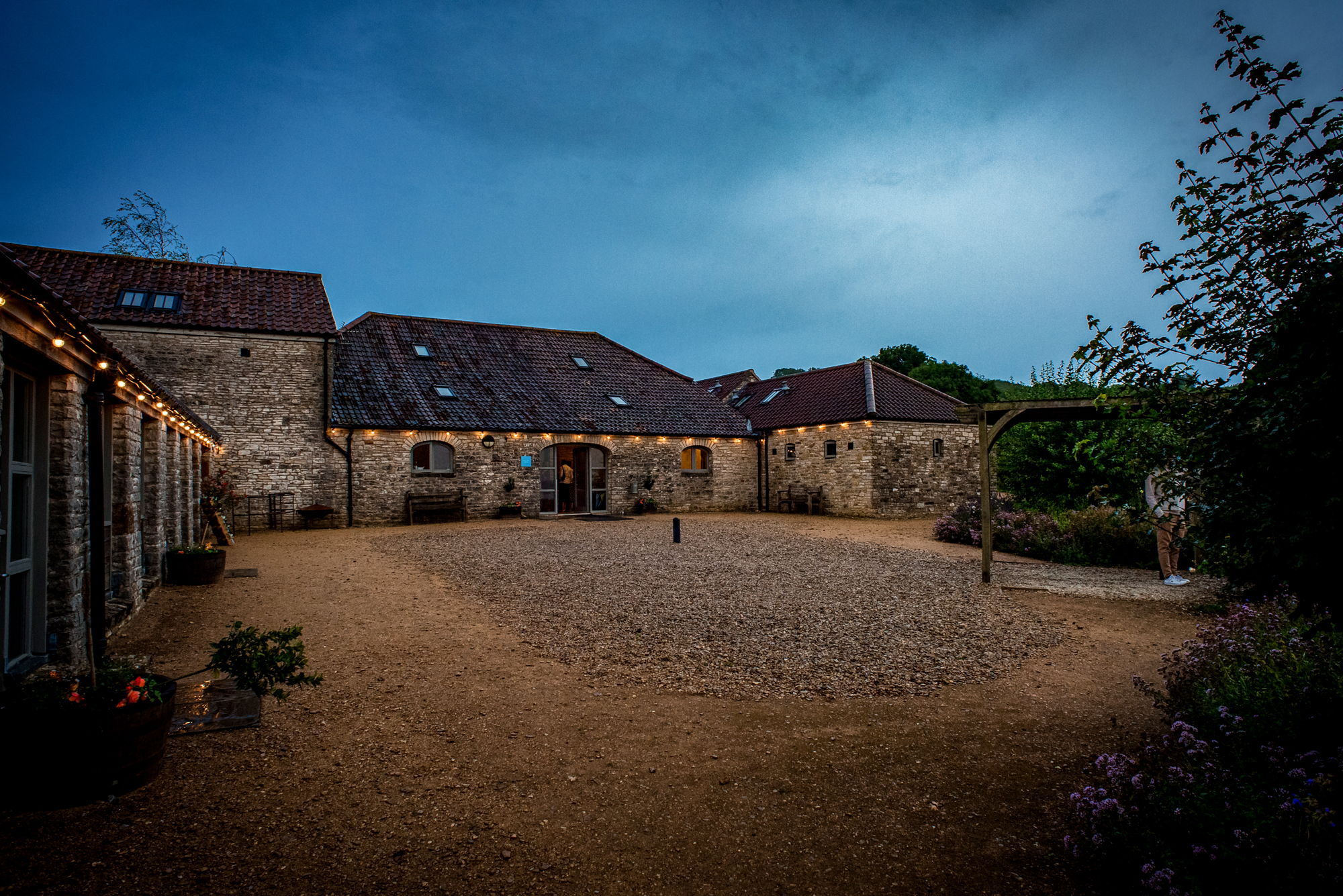
And while you’re thinking about your guests, consider how they’ll get there. Is there parking? Is it near public transport or a hotel? Will Nan be able to manage the gravel path? These aren’t glamorous questions, but they matter. A venue that’s beautiful but impossible to reach becomes a headache: for you and for the people you love.
Budget: Be Honest With Yourself Early
I know. Nobody wants to talk about money when they’re still floating on engagement joy. But setting a realistic venue budget early will genuinely make everything easier.
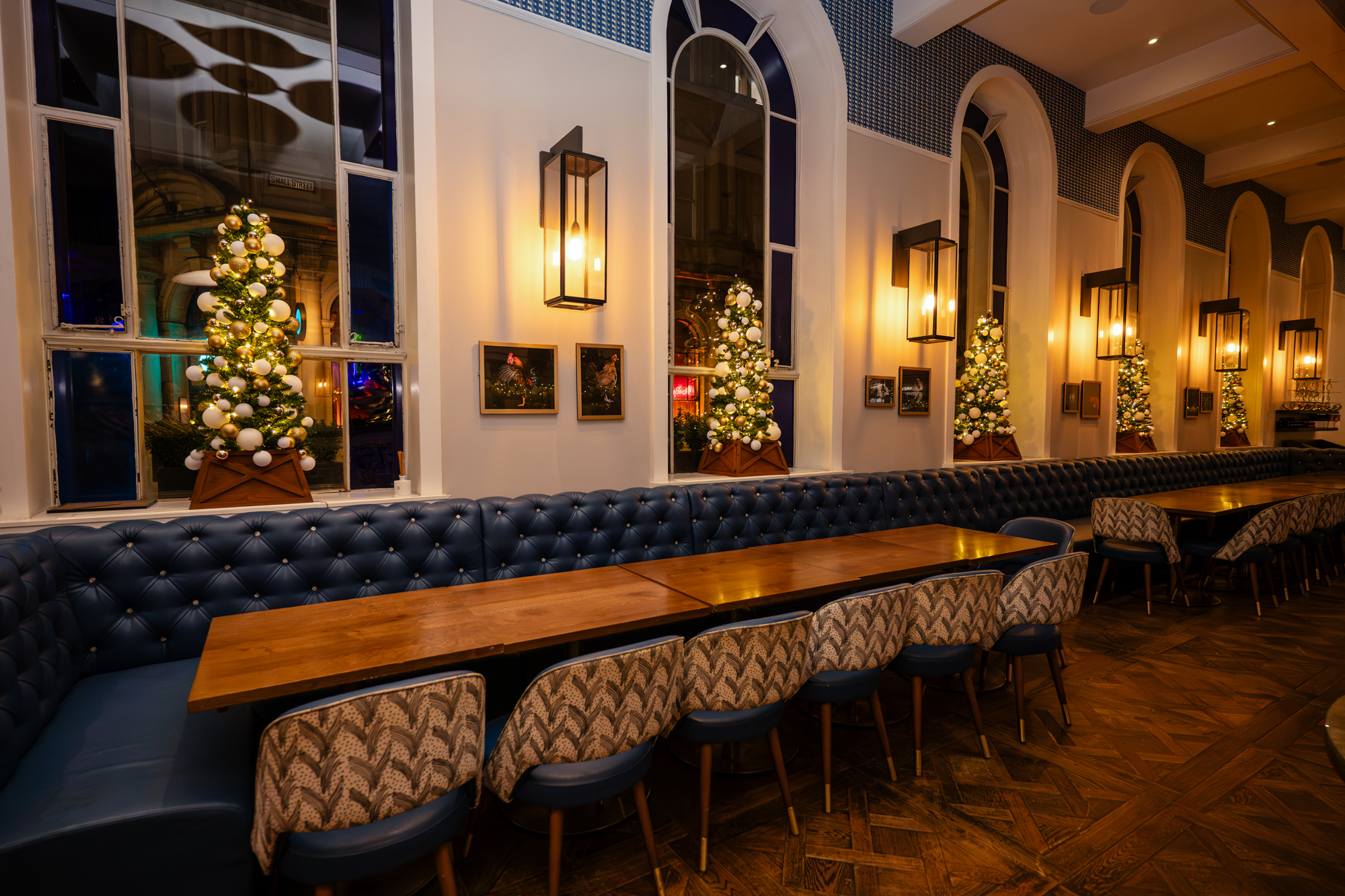
Venue costs in the UK can range enormously: from a few hundred pounds for a village hall to tens of thousands for an exclusive-use estate. According to Hitched’s annual wedding survey, the average UK couple spends a significant chunk of their total budget on the venue alone, so it’s worth getting clear on your numbers early. And the sticker price is rarely the whole picture. Some venues include catering, furniture, and coordination in their fee. Others hand you a beautiful empty room and a list of approved suppliers.
Neither approach is better or worse: it depends on how much control you want and how much planning energy you’ve got. But you need to know which kind of venue you’re looking at before you fall in love with one you can’t afford. It’s also worth checking that your venue holds a valid civil ceremony licence if you’re planning to have your legal ceremony there, not all beautiful spaces are licensed for weddings in England and Wales.
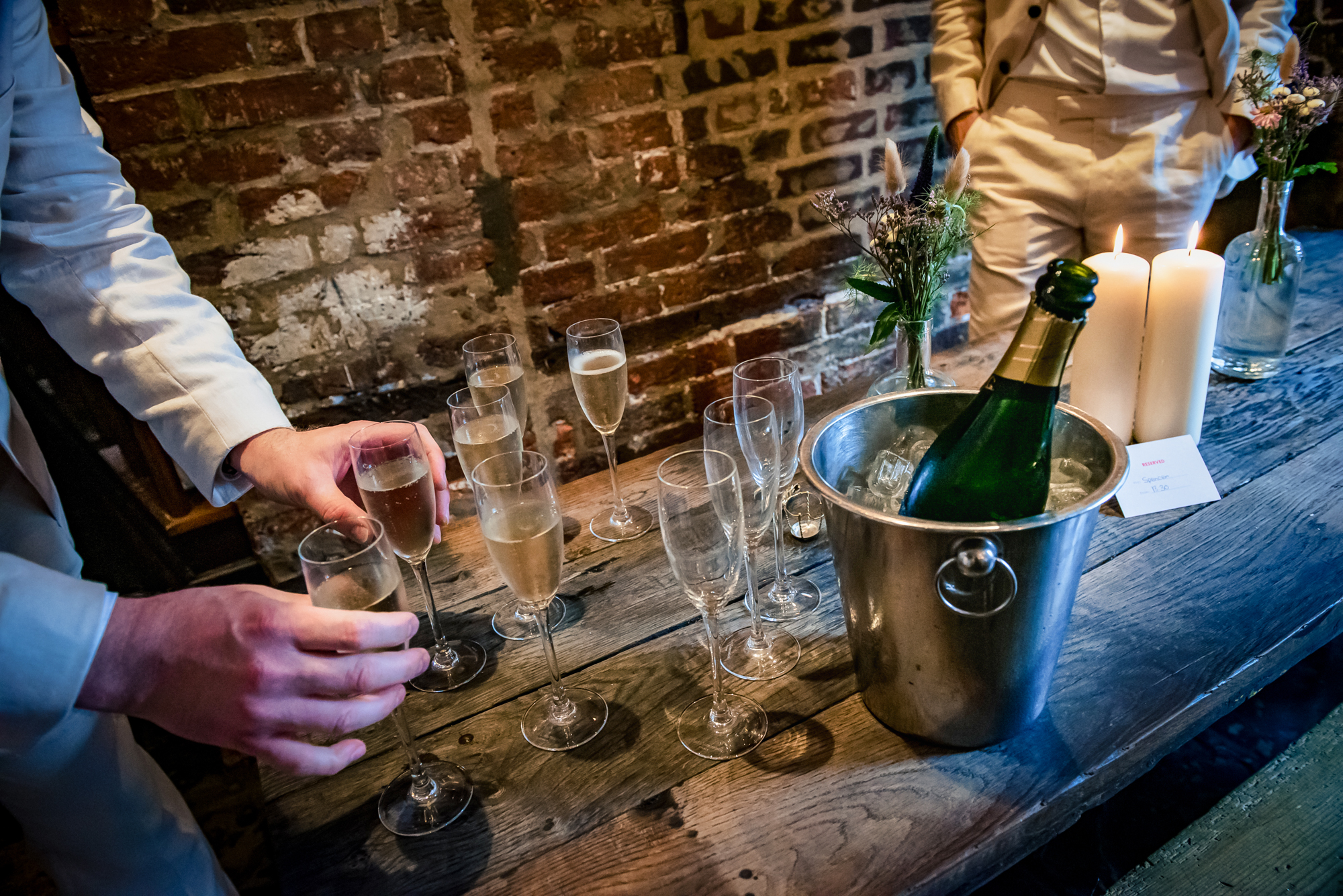
A few things worth asking early on: What’s included in the hire fee? Is there a minimum spend on food and drink? Are there corkage charges? What about VAT? Is it included in the quoted price? Are there extra costs for extending the evening?
Get the full picture. Then you can compare properly and make a choice that feels good, not just one that looks good on the website.
Venue Viewing: What to Actually Pay Attention To
Venue viewings are exciting, but they can also be overwhelming. You’ll probably visit a few, and after a while, they start blurring together.
Here’s what I’d suggest paying attention to, based on what I notice as a photographer and what couples tell me matters most after their wedding day.
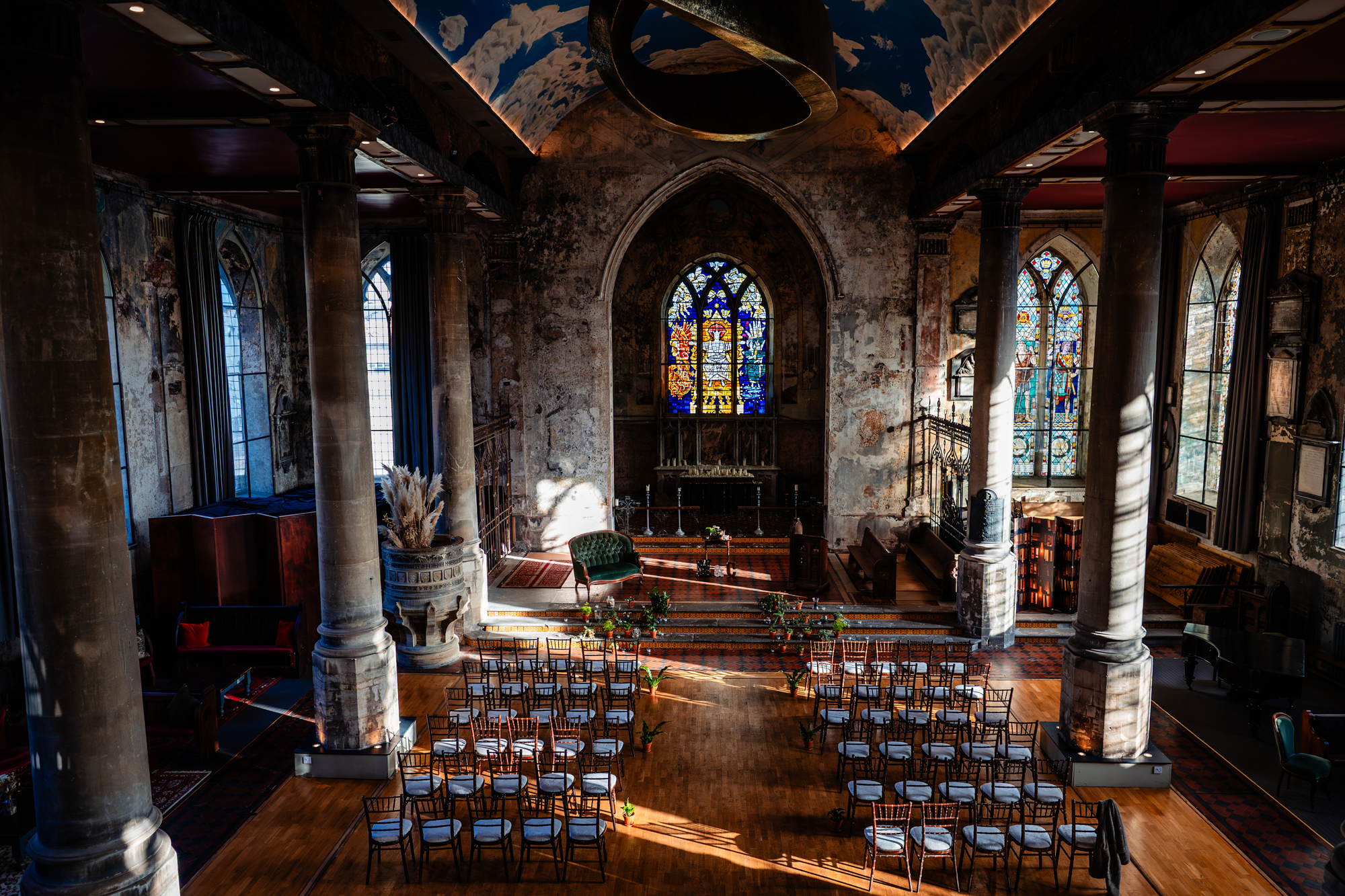
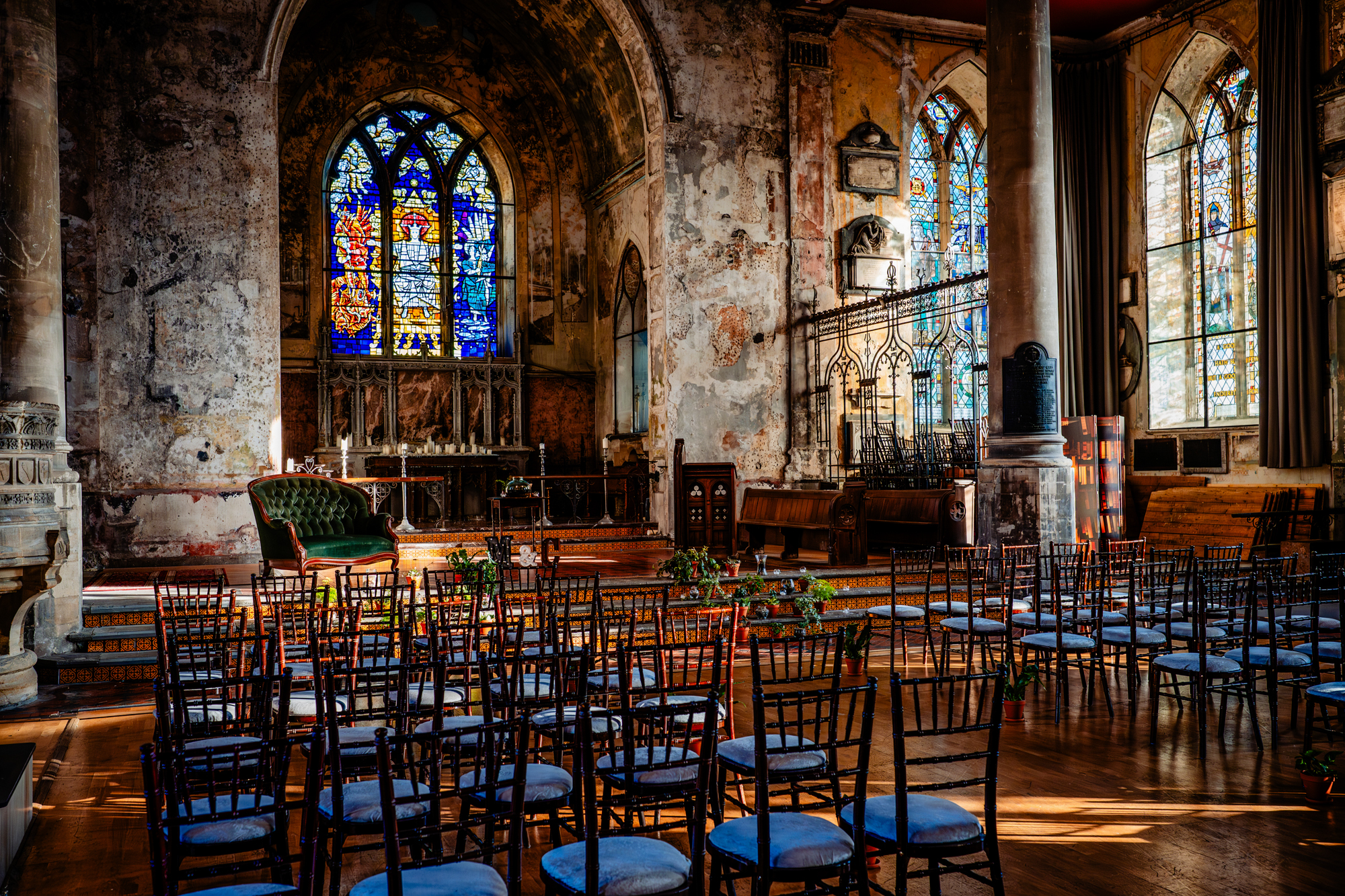
Natural light. This is a big one. A venue flooded with natural light will always photograph beautifully, and more importantly, it feels better to be in. Dark, windowless function rooms can look fine in styled shoots, but on the day, they often feel flat. Look at where the windows are. Think about what time of day you’ll be in each room. If you’re having a winter wedding, will there be enough light during the ceremony, or will it feel gloomy?
Flow between spaces. How do guests move from the ceremony to the drinks reception to the meal to the dance floor? The best venues make these transitions feel effortless. Guests drift naturally from one space to the next, and the day has a rhythm that doesn’t need to be forced. If you’re being marched down a long corridor or herded through a car park between each part of the day — that kills the energy.
Outdoor space. Even if you’re not planning an outdoor ceremony, having access to gardens, a terrace, or even a quiet courtyard makes a huge difference. It gives people room to breathe, kids somewhere to run around, and gives us beautiful backdrops when the light is right. And in the UK, you never quite know what the weather will do — having a venue with both indoor and outdoor options means you’re covered either way.
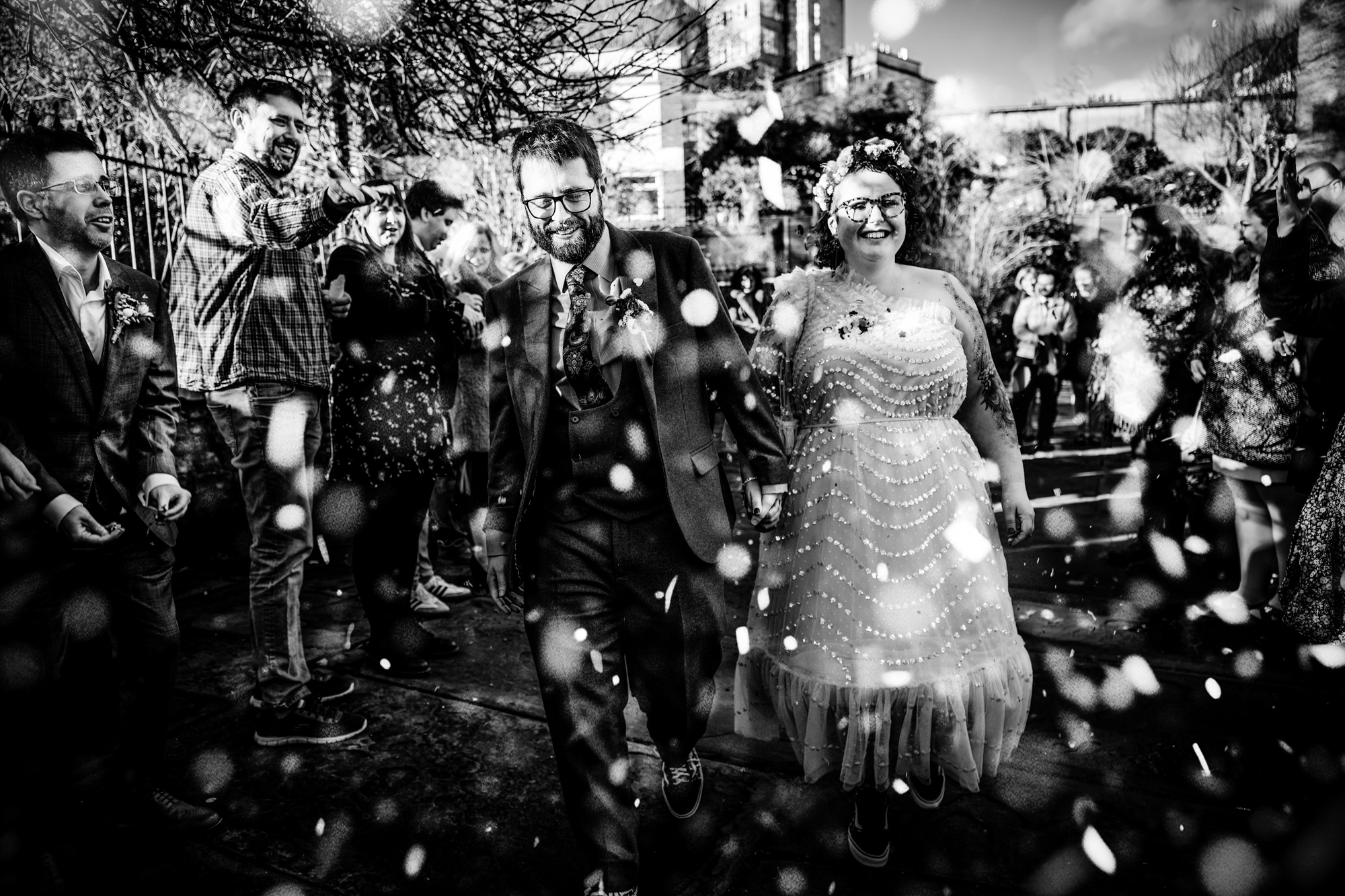
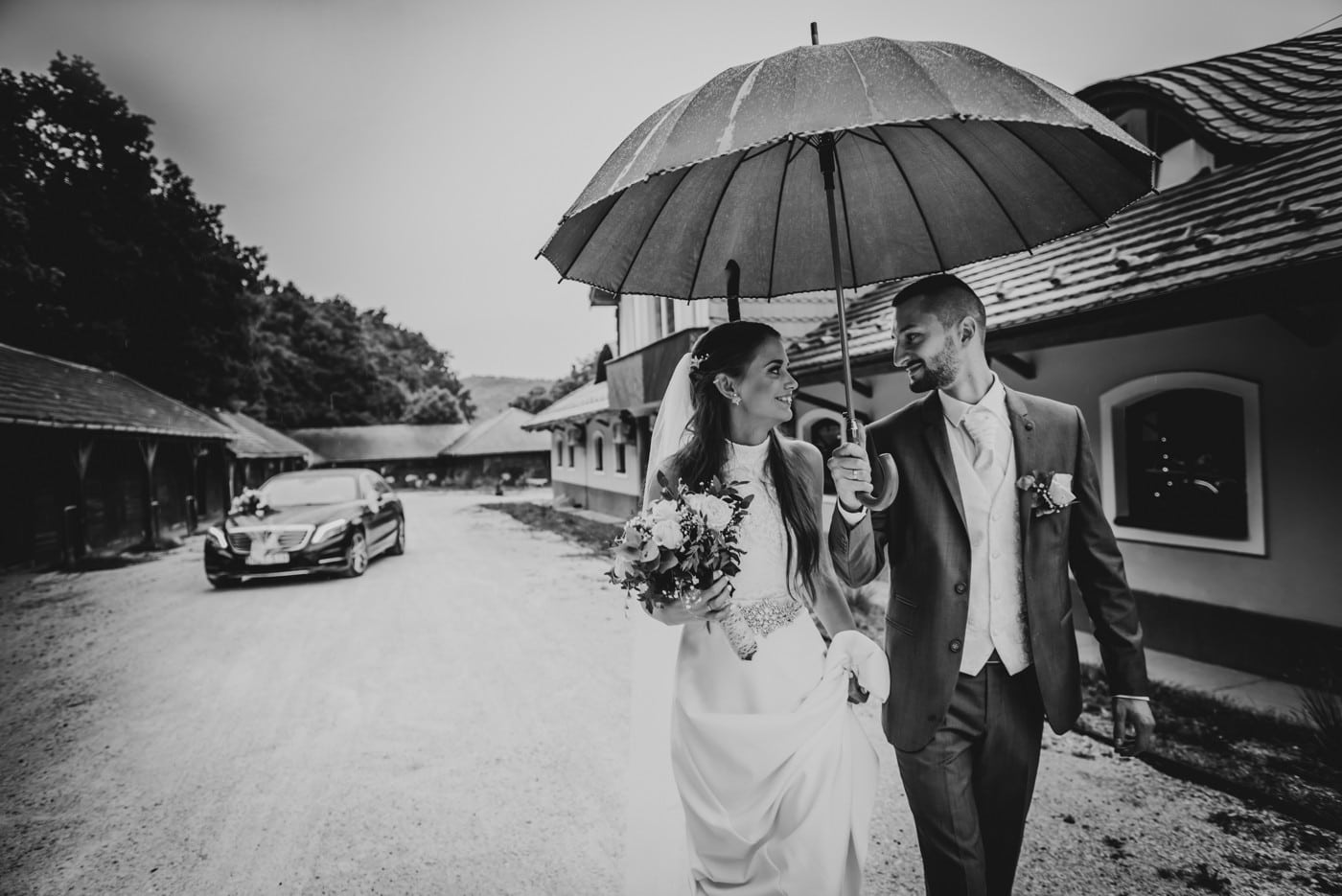
The “what if it rains” plan. Speaking of weather — ask about it. What happens if it pours? Is there a covered area? Can the ceremony be moved inside at short notice? A good venue will have a solid Plan B, and they won’t make you feel stressed about needing it. We live in Britain. Rain is basically a design feature at this point.
Sound and acoustics. This one’s often overlooked. If you’re planning live music, a DJ, or even just want your vows to carry, ask how the space sounds. High ceilings and stone walls can create echoey, boomy rooms. Soft furnishings, curtains, and carpeted areas absorb sound. If speeches are important to you, think about whether your guests will actually be able to hear them.
Think Like a Photographer
(Because Your Photos Will Thank You)
I’m biased, obviously, but your venue choice has a massive impact on your wedding photos. Not just the “pretty backdrop” stuff, but the practical things that shape how your photographer can work on the day.
Here’s what I always notice:
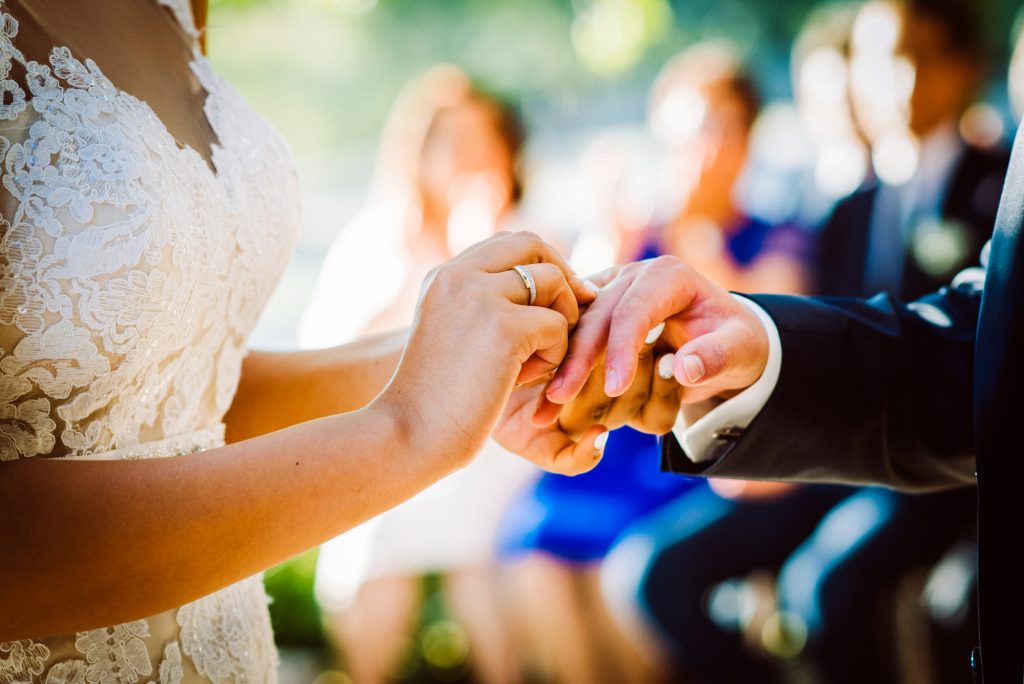
Where does the light fall during the ceremony? A ceremony space with a big window behind the couple means your photographer is shooting into the light. That’s not a dealbreaker: good photographers adapt, but a space where natural light falls on your faces rather than behind you will always give you warmer, more natural images.

Is there somewhere nearby for couple portraits? You don’t need a sprawling estate. A quiet corner, a garden wall, a staircase with interesting light, that’s all it takes. What matters is that it’s close to where the action is, so you’re not disappearing for 45 minutes and missing your own cocktail hour.
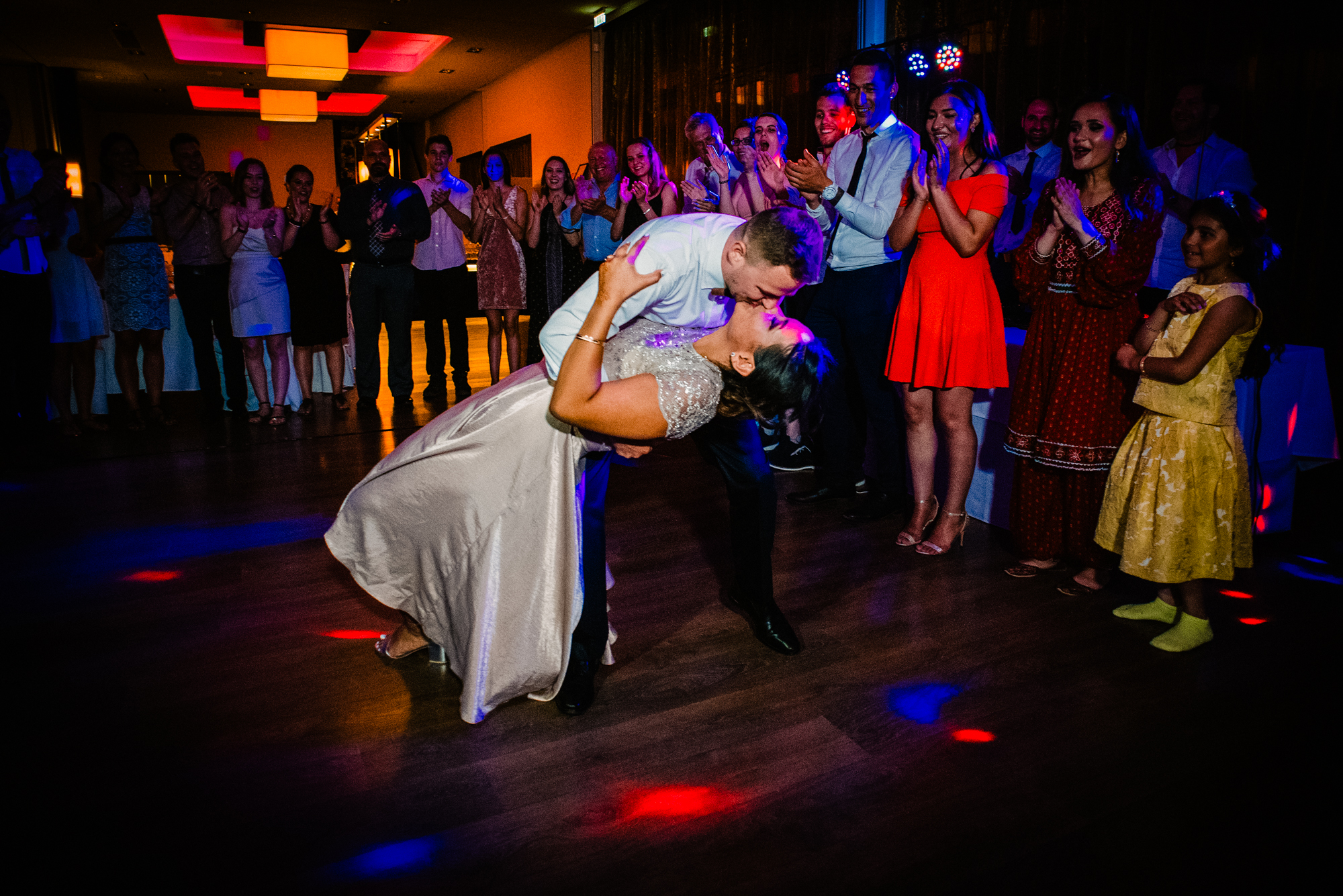
How does the reception space look in the evening? Fairy lights, candles, and warm-toned lighting create atmosphere that photographs beautifully. Harsh overhead strip lighting? Less so. If the venue’s evening lighting is a bit clinical, ask if you can bring in your own — or whether your photographer uses creative lighting.
Are there quiet, private moments built into the space? Some of the best wedding photos happen in the in-between moments: a quiet look before you walk in, a laugh in a corridor, a stolen minute together while guests are at the bar. Venues with little nooks, separate rooms, or a bit of breathing space naturally create these moments.
The Practical Stuff That’s Easy to Forget
Beyond the big decisions, there are a handful of practical things that couples often wish they’d thought about sooner. Here’s a quick rundown:
Accommodation. Can guests stay on-site or nearby? If your venue is remote, having rooms available (or a good local hotel within a short taxi ride) makes things much easier for everyone, especially if you want a relaxed morning-after brunch.
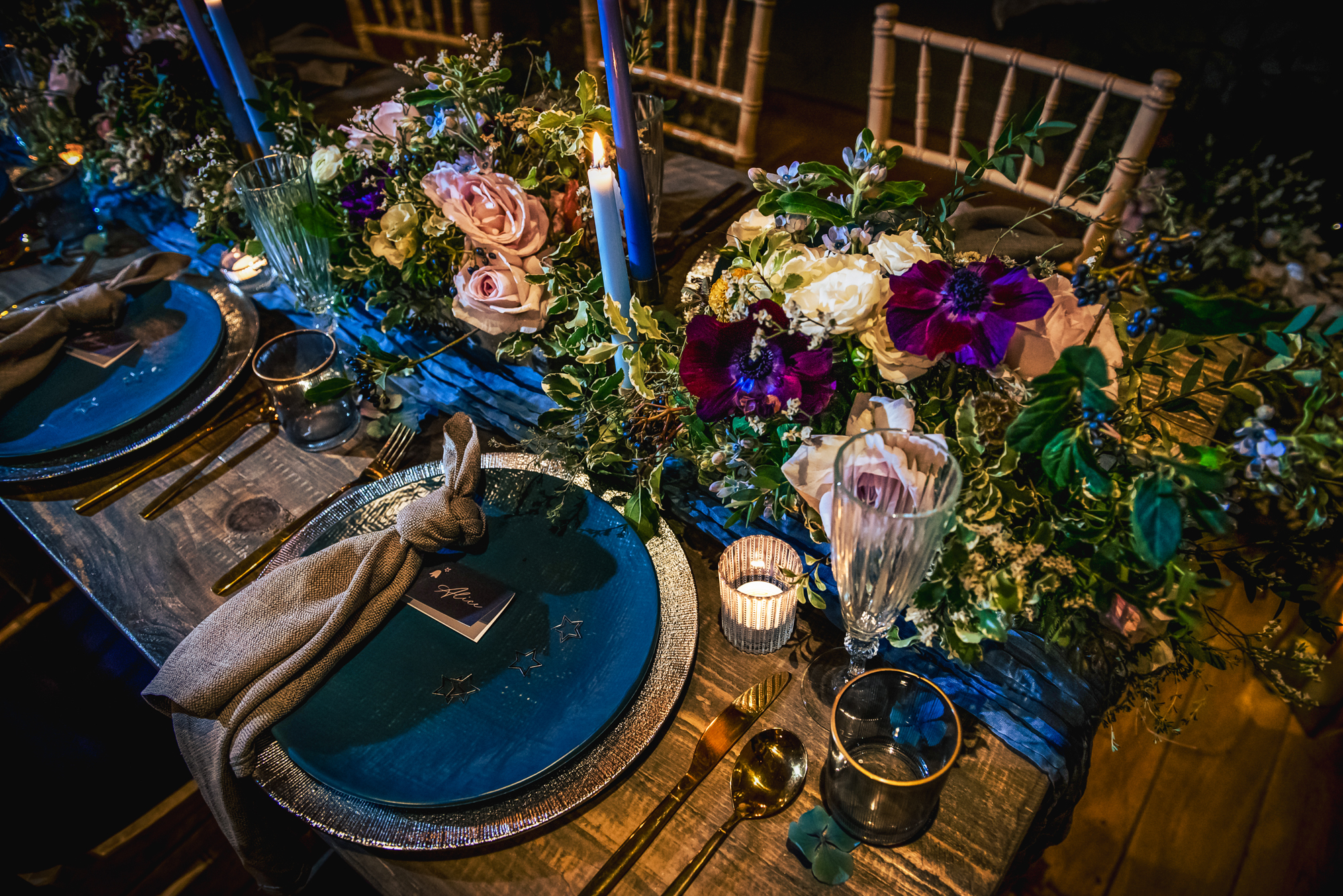
Supplier flexibility. Some venues have a list of approved suppliers. Others let you bring whoever you want. If you’ve already got your heart set on a particular caterer, florist, or band, check whether the venue allows outside suppliers before you commit.
Exclusive use vs. shared spaces. This is a big one. Exclusive-use venues mean the whole place is yours for the day (or weekend). Shared venues, like hotels, might have other events happening at the same time. Neither is inherently better, but it’s worth knowing what you’re signing up for.
Accessibility. Think about all your guests. Are there steps? Lifts? Accessible toilets? Flat paths for wheelchair users? A good venue makes everyone feel welcome, not just the ones who can manage a spiral staircase. Scope’s accessibility guide is a helpful resource if you’re not sure what to look for.

Noise curfews and restrictions. Some venues have strict cut-off times for music, especially in residential areas. If you’re the kind of couple who wants to dance until the early hours, make sure the venue allows it.
Trust Your Gut
(But Also, Take Notes
You’ll probably know when a venue feels right. There’s a moment on a viewing when something clicks: you can picture your people in the room, imagine the evening light through those windows, and it just feels like yours.
Trust that feeling. But also, take notes. After three or four viewings, the details start to merge, and you’ll wish you’d written down which venue had the gorgeous courtyard and which one had the dodgy car park.
A simple system works: after each visit, jot down your top three things you loved, one thing that concerned you, and how you felt as you walked out. That emotional snapshot is surprisingly useful when you’re making the final call.
A Photographer’s Honest Take
(But Also, Take Notes
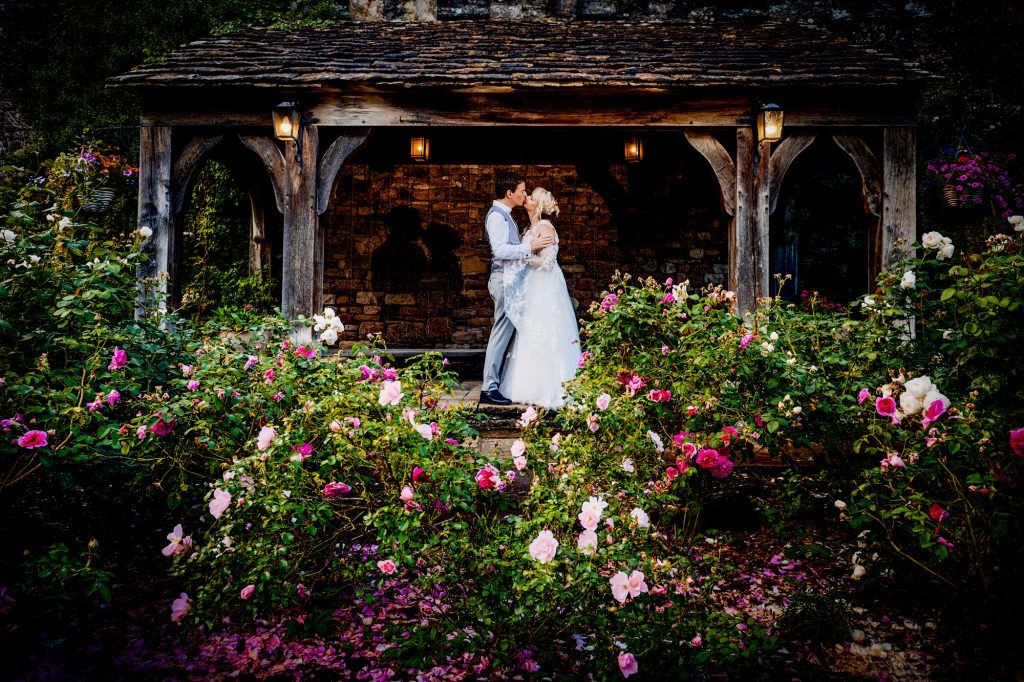
I’ve shot at venues that look average in photos online but felt absolutely electric on the day. And I’ve been to venues that look stunning on Instagram but felt cold and disconnected when you were actually standing in them.
The best wedding venues aren’t always the fanciest. They’re the ones that let you be yourselves. The ones where the staff genuinely care, where the space has character, and where the day can unfold without being squeezed into a rigid schedule.

Your venue is the backdrop to one of the most important days of your life. But it’s just that: a backdrop. The real magic is in the people, the moments, and the way it all comes together.
Choose a space that supports that. The rest will follow.
Choosing a Venue
With Photography in Mind?
Hi, I’m Eszter.
I photograph weddings across the UK in a calm, documentary style, and I’ve worked at more venues than I can count. Grand manor houses, converted barns, city restaurants, woodland clearings, and a few places that surprised everyone on the day.
What I’ve learned is that a venue doesn’t need to be famous or expensive to photograph beautifully. It needs good light, a natural flow between spaces, and enough breathing room for the real moments to happen without being rushed.
That’s the kind of thing most couples don’t think about during a venue viewing, and honestly, there’s no reason you should have to. That’s what I’m here for.
If you’ve got a shortlist and want a photographer’s honest take on how a space will work on the day, the light, the layout, the timing, I’m always happy to chat through it. No pressure, no sales pitch. Just a conversation that might save you a headache later.
Because the right venue and the right photographer work hand in hand. And when both are doing their job properly, you get to stop worrying and actually be there for your own wedding.
Our related guides
Let’s start our journey
Start by filling in the enquiry form, and we’ll take it from there. Don’t worry, you don’t need everything planned out yet. That’s why we are here, to help you on the way!
Hit send, and I’ll be in touch within 2 working days (I promise).
Not ready yet?
Why don’t you download our Relaxed Wedding Blueprint first? You’ll find timeline tips, ways to avoid the stress of awkward photos, and small adjustments that make a big difference in your day.
