

Do Professional Photographers Use Backdrops?
Every article you will find on this question was written by someone who sells backdrops.
That is not a conspiracy; it is just how the internet works. Search it, and you get manufacturers explaining, at length, why you need a backdrop. Which is a bit like asking a bakery whether you should eat more bread.
So here is a different answer. Yes, professional photographers use backdrops. I use them. I have 2 hand-painted canvas ones set up in my home studio right now. But I also shoot weddings all year, and I have never once carried a backdrop to one, and I would gently talk you out of it in most situations.
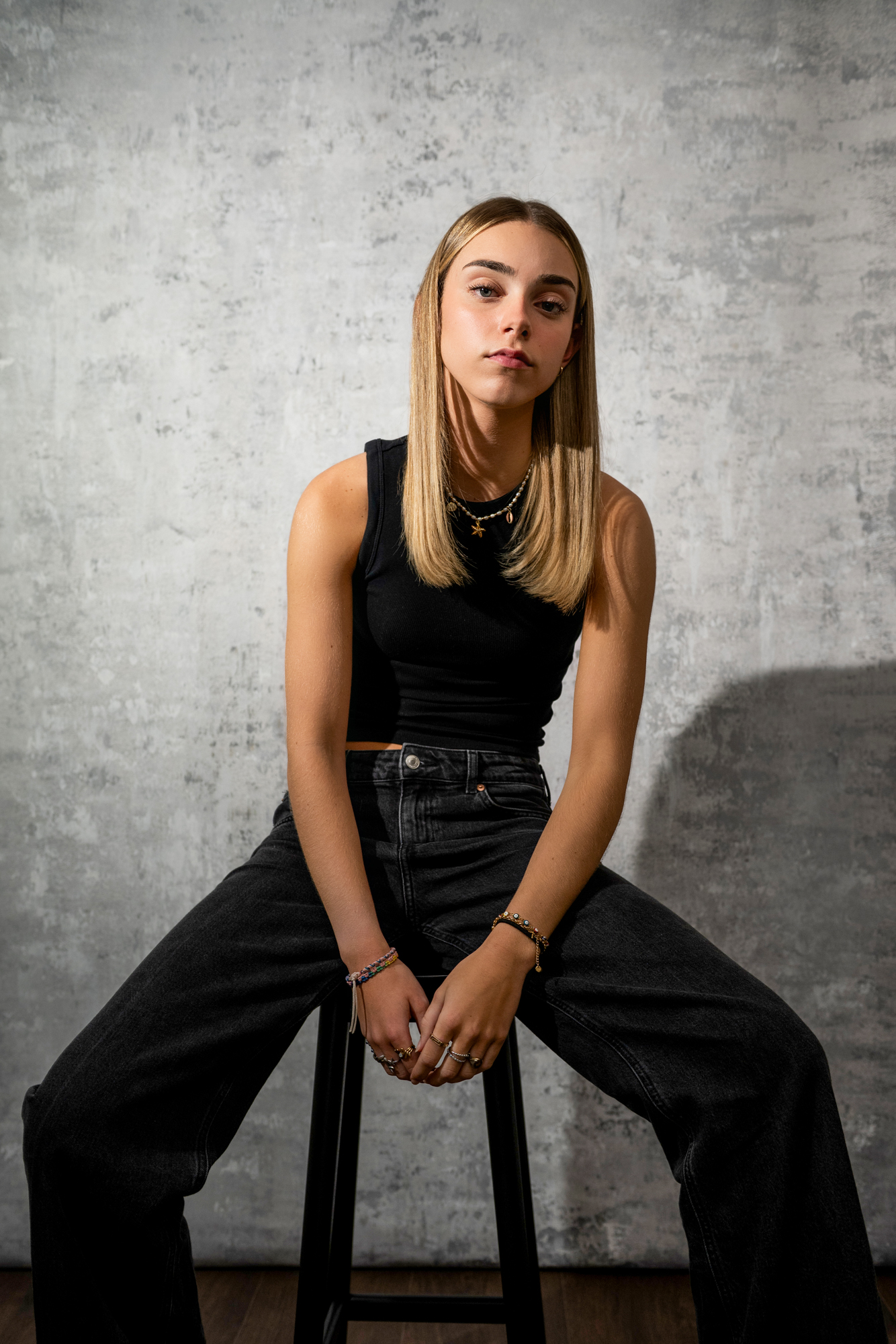
The interesting part of this question is not what we buy. It is when we choose not to use it.
I am a Bristol photographer with a documentary, photojournalism background and 13 years behind a camera, and I work across weddings, portraits, brand and food. That means I sit on both sides of this. Studio one day, a field in Somerset the next.
Here is what I actually own when it comes out of the corner, and when the surroundings do a better job than anything I could hang on a stand.
So, Do Professional Photographers Use Backdrops?
Most of us do. Very few of us use them for everything.
A backdrop in photography is simply a controlled background. Fabric, paper, canvas, painted board. You put it behind a person or an object so that nothing behind them competes for attention. That is the whole idea.

The question is whether the thing behind your subject is a distraction or part of the story.
What I use backdrops for
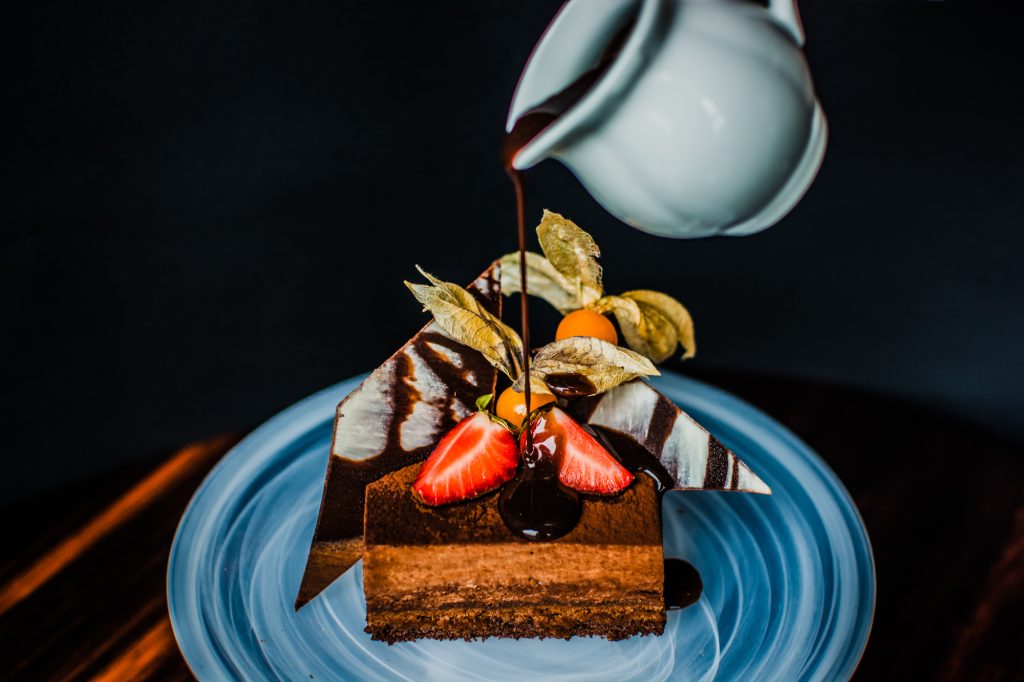
My studio work. Personal branding shoots, headshots, product photography, jewellery, food, and newborn sessions if someone asks.
For brand and business photography especially, a backdrop earns its place. If you are photographing a ring, a bottle, or a jar of something, the background has no job other than to disappear or flatter. Nobody buying a necklace needs to see my radiator.
Same with headshots. The point is your face, your expression, the way you hold yourself. A clean, considered background lets all of that land.
What I do not use backdrops for
Weddings. Family sessions. Anything where the place itself matters.
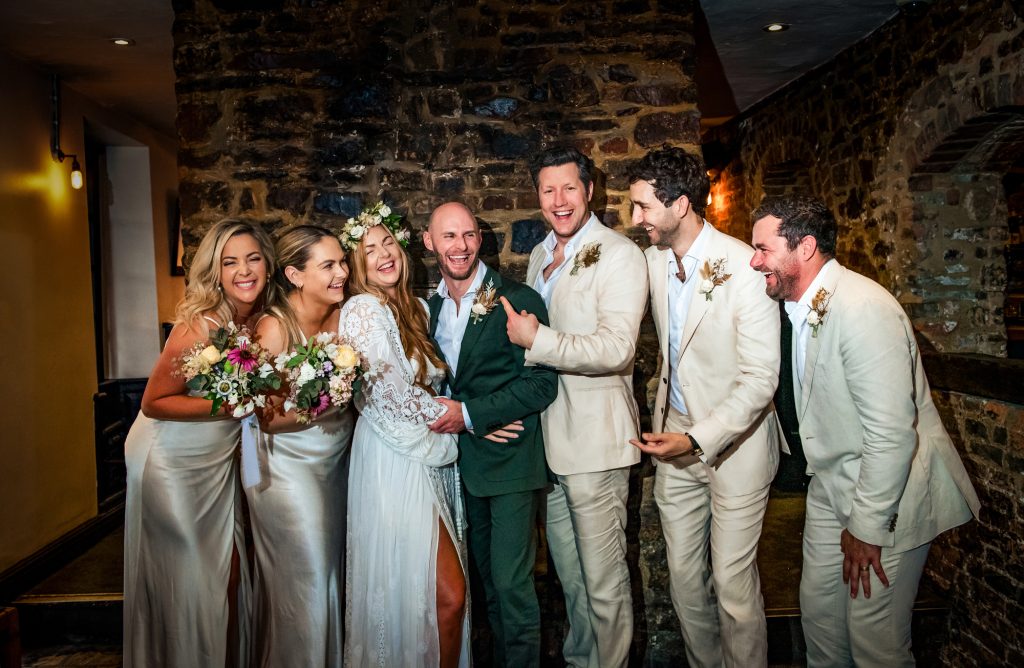
If you get married at a barn in Somerset, the barn is part of the story. Same with your kitchen, your garden, the specific corner of Bristol you have lived in for 6 years. Cover it up, and you have a photo that could have been taken anywhere, of anyone.
That is my honest reservation about carrying a backdrop to a wedding. It solves a problem by deleting the day.
The split most photographers will not admit to
There is a quiet truth here that the backdrop shops leave out.
A backdrop often rescues a photographer from a location they haven’t worked out yet. It is faster to hang a grey cloth than to walk the venue and find the one good wall. It works, and the photos are fine, and nobody complains.
But fine is not the same as considered. I would rather spend 20 minutes finding the right spot than 20 minutes setting up a stand.
Hand-Painted Canvas or Seamless Paper? What I Chose and Why
I have used both. I bought my canvas backdrops a couple of years ago from Kate Backdrop UK, who have thousands of them, and they have quietly become the thing I reach for.
Why canvas won for my studio
The texture is the reason.
A paper roll gives you one flat colour. It is clean, predictable, and sometimes that is exactly right. A hand-painted canvas gives you variation across the surface, so the background already has depth before you have touched a light.

There are also unglamorous reasons. Canvas does not crease the way paper does. You are not tearing off a metre of ruined roll every time someone steps on it. Hand-painted canvas backdrops last for years, which changes the maths considerably.
I keep 2. One dark, one light. Between them I can build almost any mood I need, and they harmonise with the wooden floor and the chair I use for portraits.
I would love to paint my own one day. Realistically, I like these and buying them is easier. That is allowed.
Where paper still beats canvas
Paper is not the poor relation. It has genuine advantages.
If you want a properly even, unbroken colour with no texture, paper does that better. It is cheaper to start with. It comes in a huge range of colours, so if a brand needs a specific shade behind their product, paper is usually the answer.
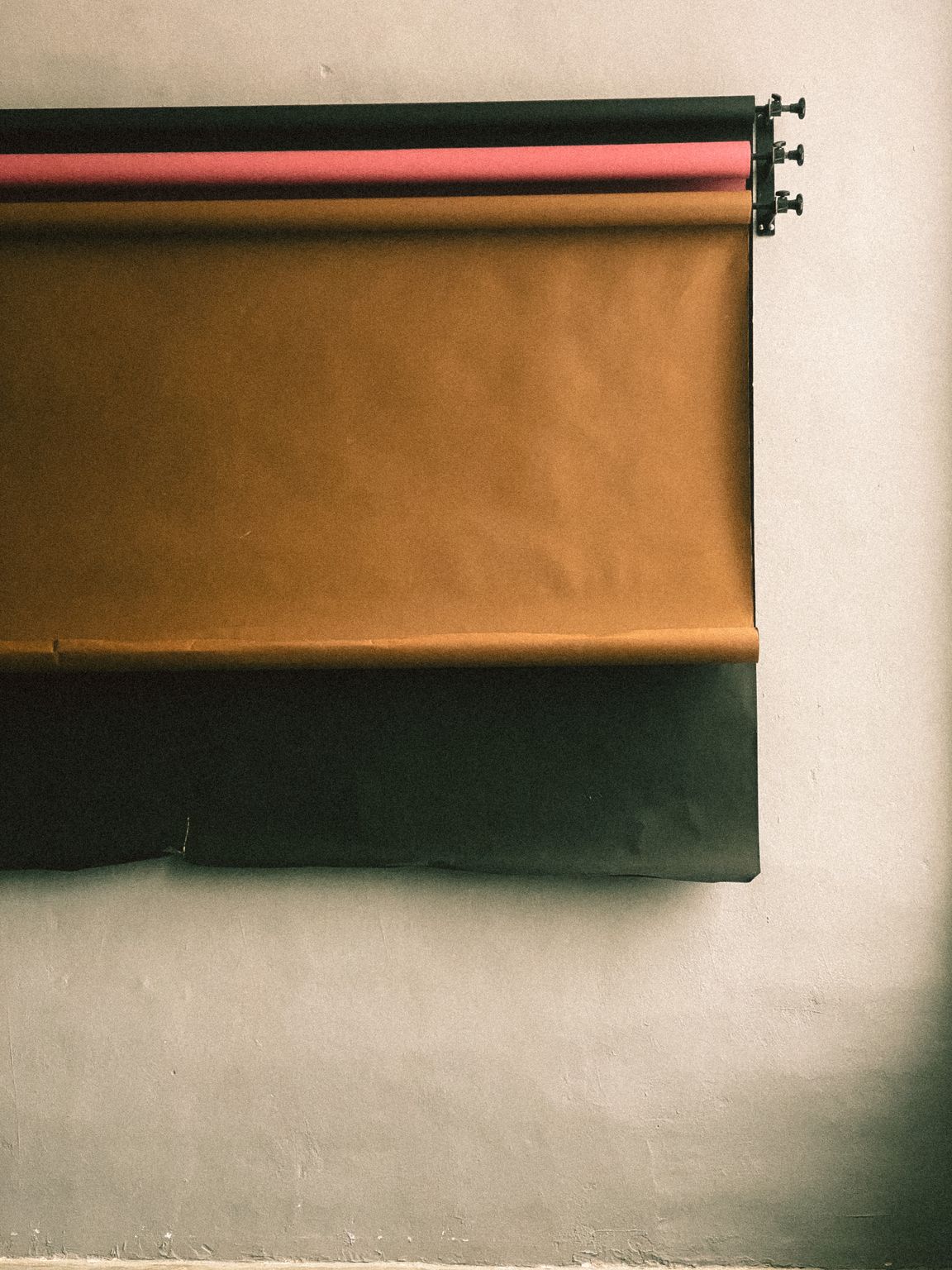
And when you want a seamless sweep, where the background curves down into the floor with no visible join, that is a paper job. Most backdrop material comparisons will tell you the same thing. Different tools, different days.
One backdrop, several looks, because the light does the work
This is the bit almost nobody mentions.
The same canvas can produce completely different photos depending on how I light it. Soft and open on one setup, moody and closing into shadow on the next. Warm on one, cool on the other.
So when people ask how many backdrops you need, the honest answer is fewer than you think. What changes the photo is not the cloth. It is what you do with the light.
What Professional Backdrop Lighting Actually Involves
If you have ever put up a backdrop at home and wondered why it looked like a passport photo, this section explains why. This is the same setup I use for corporate headshots, where a clean background is genuinely the right call.
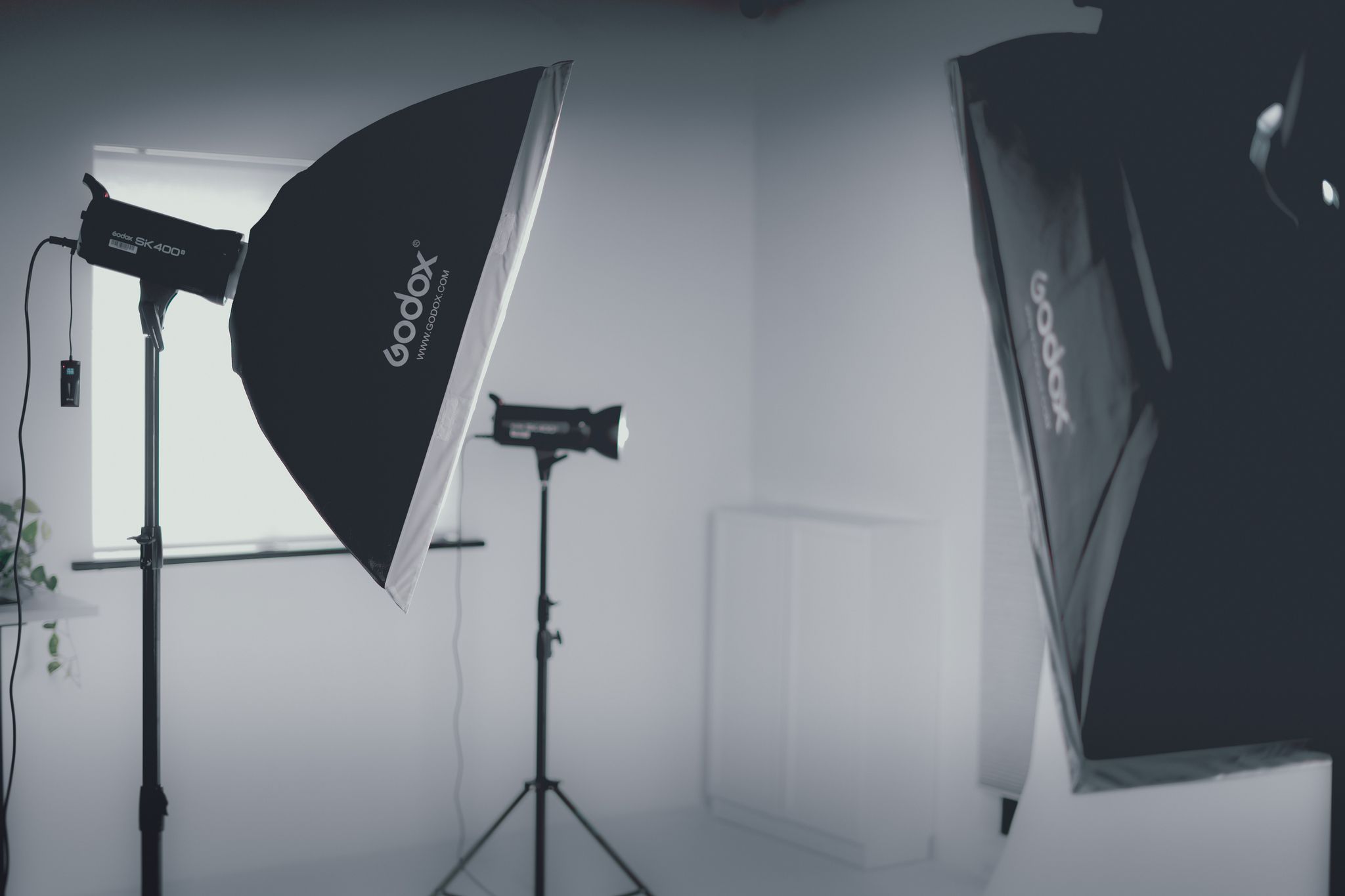
I use Profoto flashes in my studio, with Godox studio strobes available if a shoot needs them, and natural light when that is the better choice. The kit matters less than the decisions.
Separation, and why standing against the wall ruins the shot
The single most common mistake is putting the subject right up against the backdrop.
The moment you do that, your light hits the person and the background at the same time and intensity, throwing a hard shadow of their body onto the fabric. It looks like a police lineup.
I place people well off the backdrop. That distance means the light falling on you and the light falling on the background become 2 separate things I can control independently. It also softens the background, which is why professional shots have that gentle blur behind the shoulders.
Two lights, two jobs
Once you have separation, you can light properly.
One light on the subject, one light on the background. That is the basic version, and it already puts you ahead of most setups.

If I want an even, consistent background with no gradient at all, I use 2 lights on the background, positioned at exactly the same distance on either side. If I want that gradient, the pool of light that falls off into darkness at the edges, I use one and place it deliberately.
Neither is better. They are different answers. The point is that it is a choice rather than an accident, and that choice is most of what you are paying a professional for during portrait sessions and headshots.
The mistakes that make a backdrop look like a school photo
Everything above, in reverse. Plus a few more.
Wrinkles that nobody flattened. A colour that fights the person’s skin tone or clothing instead of supporting it. Cropping so tight that the edge of the roll appears in frame. Light spilling onto the background until the whole thing goes flat and grey.
None of these is difficult to avoid. They just require someone to pay as much attention to the background as they do to you.
I should also say this. A canvas backdrop and a chair are one of the most exposed positions a person can be put in. There is nothing to lean on and nowhere to look. Most people I photograph arrive convinced they are bad at this. One couple, both uncomfortable on camera, told me afterwards they relaxed and actually enjoyed it. That shift usually happens in the first 20 minutes, and getting there is more about how the room feels than what is hanging behind you.

If you want the version with no backdrop at all, that’s what I do most of the time as a portrait photographer in Bristol.
How I Find Backgrounds at a Wedding
Now the other half of my work, where I do not use backdrops at all.
Location scouting, and why it happens before the timeline is written
I scout every wedding venue before the day. Not casually. Properly, with a list.
I am looking for 3 different things. Somewhere for family portraits, somewhere for large group shots, and somewhere for the couple.

For family and groups, I want a background that stays completely out of the way, because the people are the entire point of those photos and nothing behind them should pull focus.
For couple portraits, I want options. A wide shot that includes the location so you can see where you were. A closer frame of just the two of you. And somewhere I can work in tight shots for close portraits.
I also check light direction while I am there, and that feeds straight into planning your wedding day timeline. Knowing where the good light lands at 6 pm is how we decide when portraits happen. Get that right, and the background problem mostly solves itself.
Shade as a design choice, not a fallback
Many photographers treat shadow as something to fix. I treat it as something to use.
Open shade gives soft, even light on faces. Hard shade gives shape, drama, and graphic lines. I actively look for both, and I will build a photo around a shadow if it’s interesting.
Whether a background works comes down to two things. How much is going on back there, and what colour it is. A busy hedge in 6 shades of green behind a group of 20 people is noise. A single flat wall in a colour that does not fight anyone is quiet. That is genuinely the whole test.

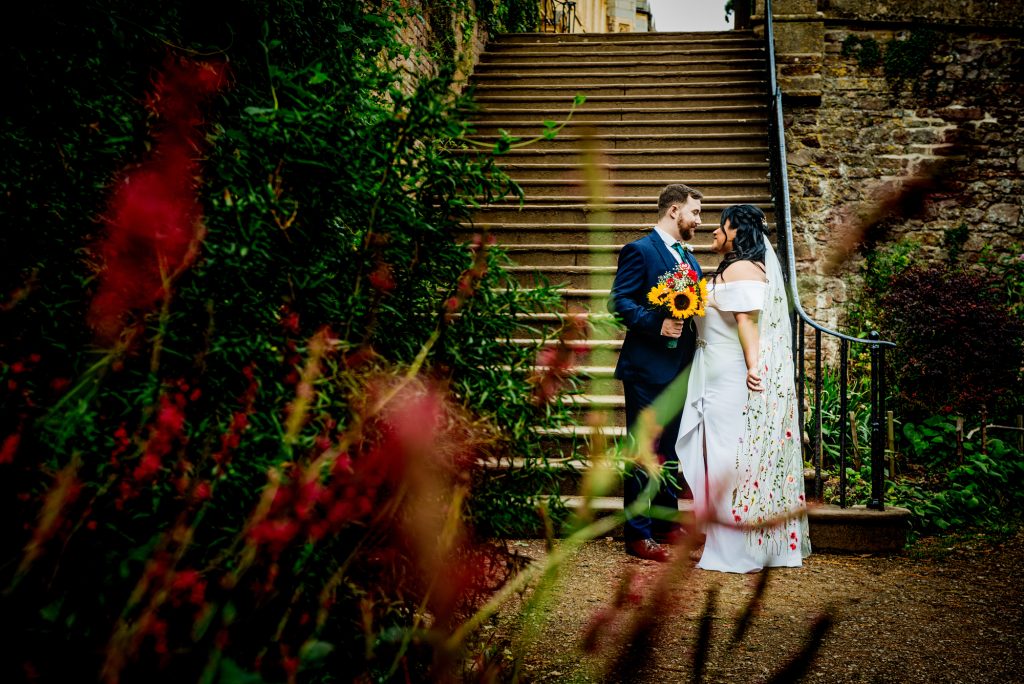
This is also why I will happily leave a venue to get portraits. When I photographed Ruby and Ben at Arnos Manor Hotel in Bristol, we did their portraits at Ashton Court Estate afterwards. The reception was loud, packed and full of live mariachi, and it was exactly right for the reception photos. The portraits needed somewhere else. So we went somewhere else, which is the documentary wedding photography version of solving a background problem.
The bakery wedding, a main road and one good wall
Here is the hardest one I have had.
The venue was a bakery. Small, dark, and with genuinely no plain background anywhere inside it. Lovely place to get married. A nightmare to find a clean frame in.
So I took everyone outside. The problem was that the bakery sits on a main road, so the only workable angle meant crossing to the other side and shooting back, with traffic constantly moving through. It was awkward, and it required patience and some fairly precise timing between cars.
But in the end, I used the bakery’s own wall as the background. The one genuinely plain surface on the whole site, and it belonged to the venue, which meant the photos still looked like they happened there.

Would a portable backdrop have solved it faster? Probably. Would it have been better? No. I would have ended up with portraits that could have been taken in any car park in England, on the one day where the whole point was the bakery.
Can You Have a Backdrop at Your Wedding?
Yes, and there is one situation where I think it is a genuinely good idea.
The guest portrait corner
Not a couple portrait backdrop. A backdrop for your guests.
Set up a corner with a proper background, with or without props and accessories, and photograph everyone who comes to your wedding. Small groups, big groups, the friends who never usually stand still. It’s become one of the more interesting wedding photo booth ideas around, and when a real photographer runs it rather than a machine, the results are on another level.
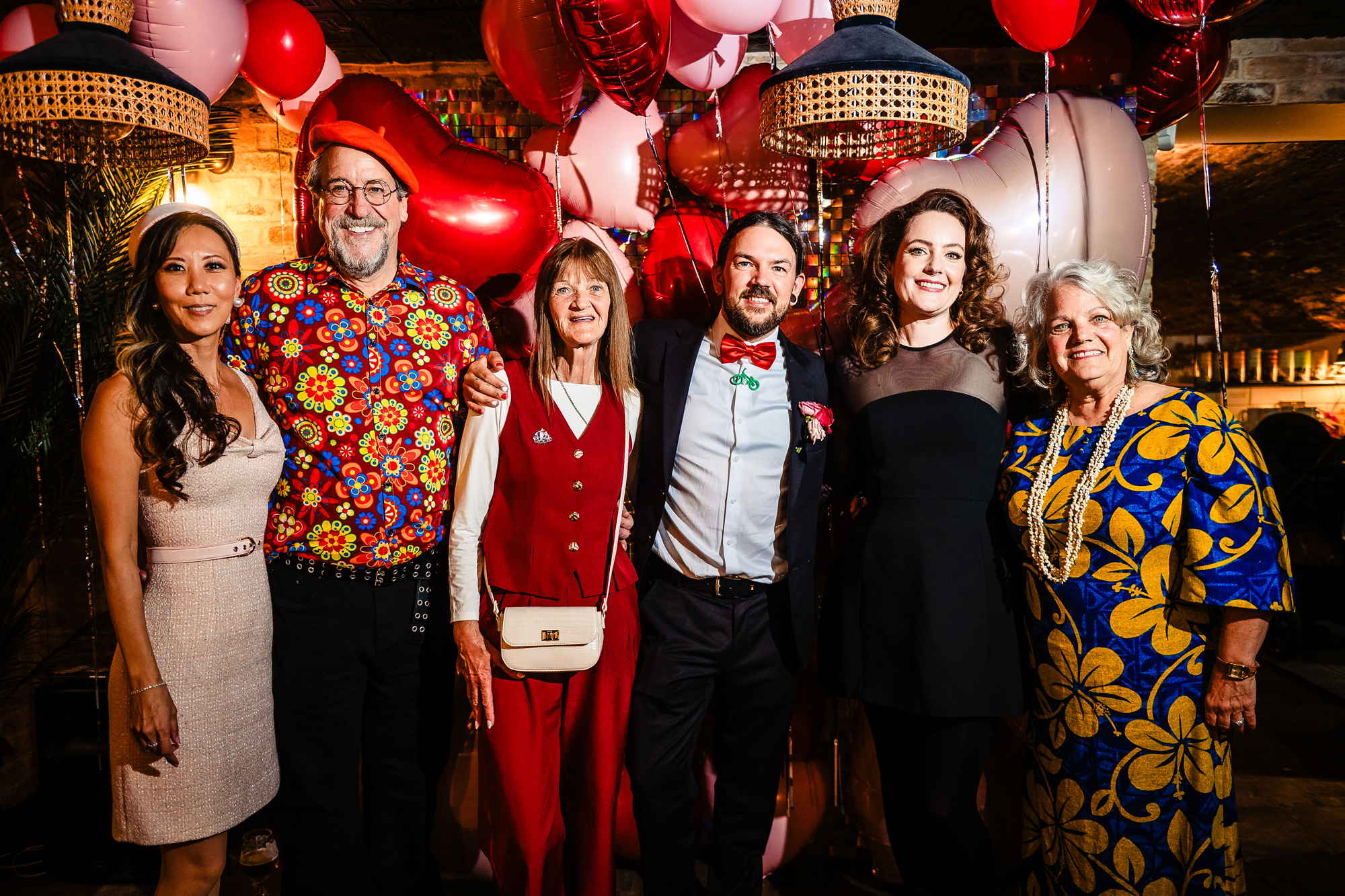
The best time to run it is during the dancing. Everyone is relaxed by then, and people can drift over between songs rather than being marched to a queue.
You can also build something completely bespoke here. Backgrounds designed with a stylist or a designer, made specifically for your wedding, so it is not a rented pop-up that 40 other couples had this summer.
Lighting-wise, I would either set up proper lights on stands or work with a flash on camera, depending on the space. Both work well.
What it needs from your timeline
This is the honest part.
It needs 1 to 2 hours during the party, plus setup time, so you need to plan it in advance rather than decide on the day.
It works best with 2 photographers. One runs the corner while the other stays on the dance floor, so you are not trading all your party photos for portraits. If there is only one of us, that usually means staying later to cover both properly. Worth reading about one photographer or two if you are weighing that up.
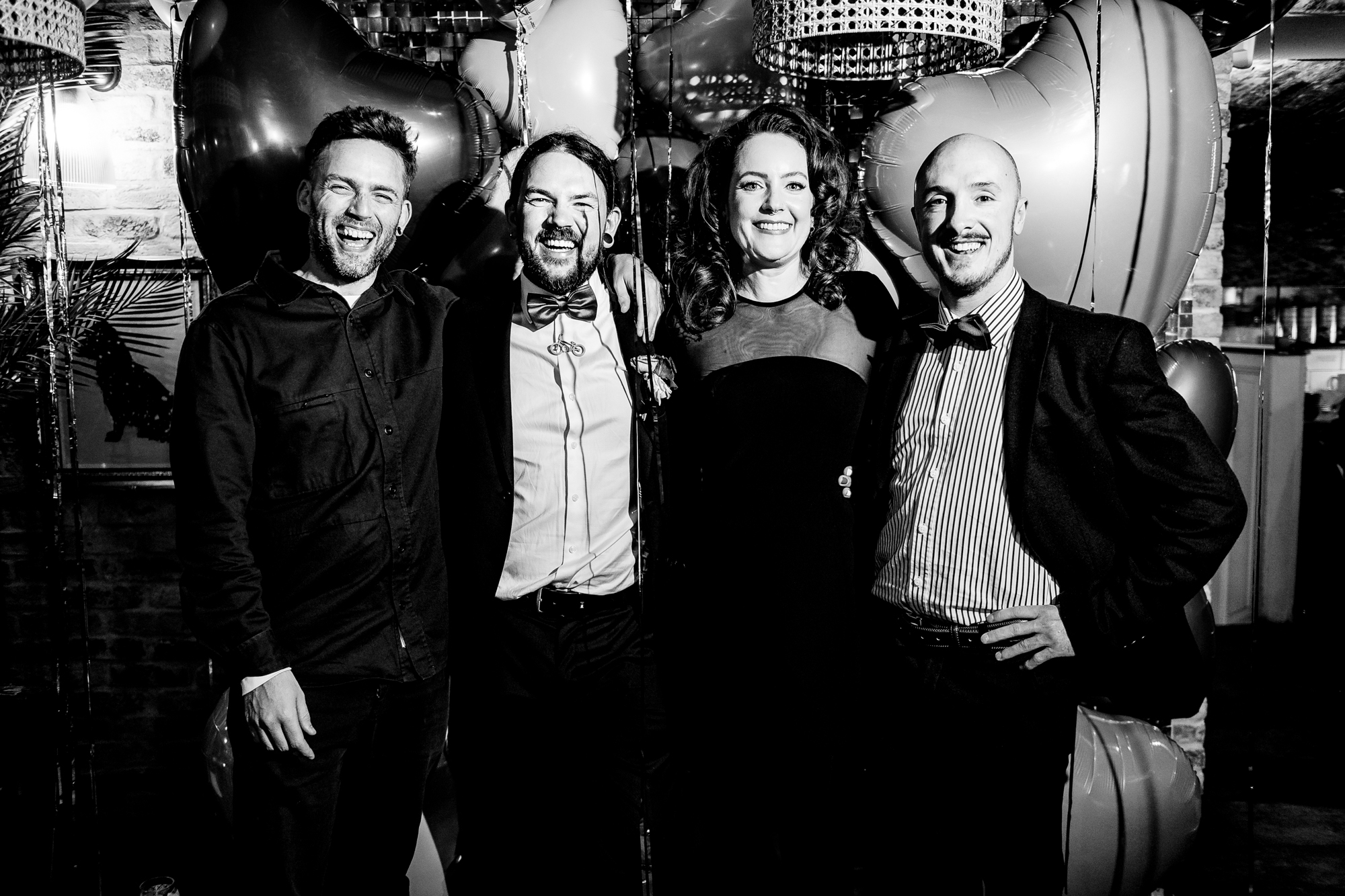
It also only works with full-day coverage. Anything shorter, and there simply isn’t time.
On cost, it depends on the setup, the hours and whether we are building something custom, so it is a conversation rather than a line on a price list. Ask me, and I will tell you exactly what it would look like for your day.
Who it suits and who it really does not
It suits couples who want a proper party and care about having good photos of their guests, not just of themselves. If the people in the room are the reason you are doing this at all, you will love it.
It does not suit intimate weddings with a handful of guests, tight timelines, or anyone who wants the day to stay loose and unstructured. It is an activity, and activities need planning.
Backdrop Trends I Will Happily Skip
Some opinions, since you are here.
Themed drops, green screens and the identical newborn setup
I am not a fan of themed backdrops. The Christmas scenes, the painted autumn woodland, the ones that are obviously a photograph of a place rather than a place. They rarely hold up in the final image because the light on the backdrop never quite matches the light on the person.
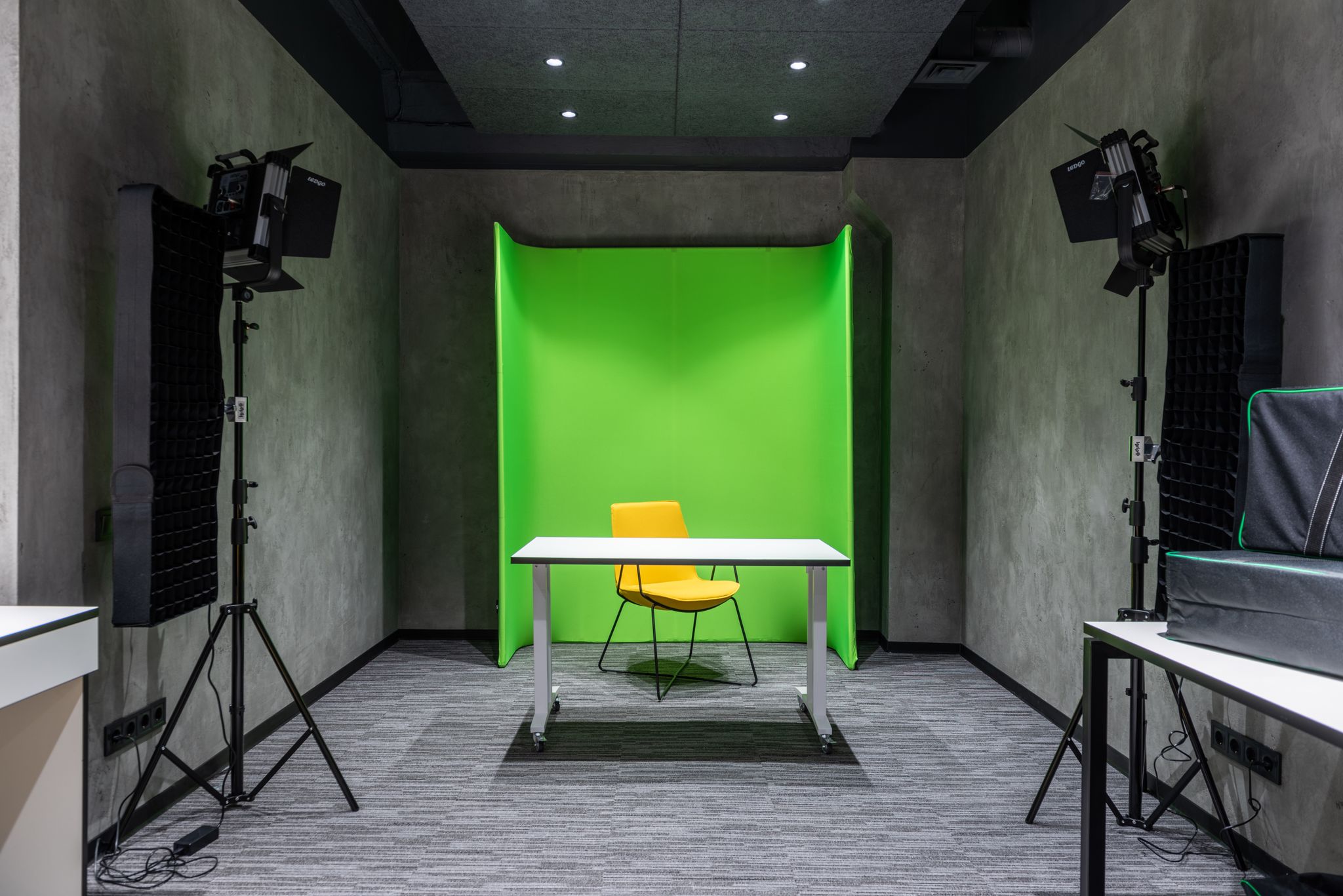
Green screens have their uses in film and commercial work, but I would not choose one for a portrait.
Very bright, pure white backgrounds don’t do much for me either. And I am tired of the newborn photos where every studio in the country has the same 3 setups, the same wraps, the same beige basket.
Build the real thing instead
If you want autumn, let’s shoot in autumn. If you want Christmas, let’s use real decorations, real greenery, and real candlelight in a real room.
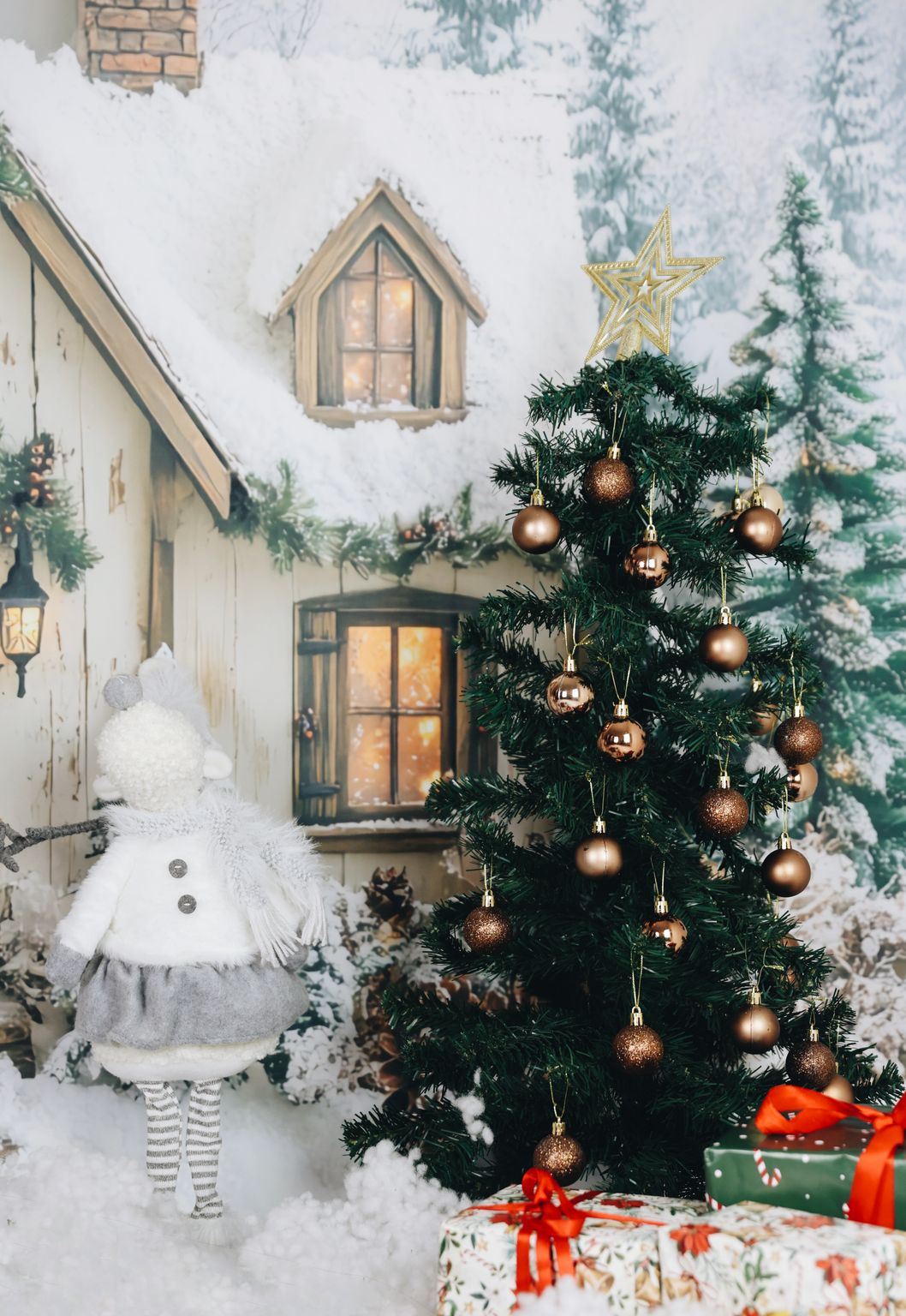
It takes longer. It looks like a place, not a picture of a place. Every session I do, I want to make something that has not been made 500 times already.
Your shoot, your call
Having said all that, taste is taste.
If a painted canvas with a shaft of light across it is exactly the photo you have had in your head for years, that is a great reason to want it. At the end of the day, it is your call, and if that is your style, I am here to help you build it properly.
So, do professional photographers use backdrops? Yes, and I do too, mostly in the studio for brand work, portraits, product and food.
3 things worth taking away. A backdrop is a tool, not a style, so choose it for the job rather than using it by default. Lighting matters far more than the material, because separation and two well-placed lights will do more for your photos than any canvas. And when the location is part of the story, the surroundings will nearly always beat anything you can hang behind you.
Ready to start
Planning your photoshoot?
If you are planning a shoot and aren’t sure which way to go, that is a good conversation to have before anything is booked. Send me a message and tell me what you are planning, what you are drawn to, and what you are worried about. We will work out the right approach together.
Let’s start our journey
Start by filling in the enquiry form, and we’ll take it from there. Don’t worry, you don’t need everything planned out yet. That’s why we are here, to help you on the way!
Hit send, and I’ll be in touch within 2 working days (I promise).
