

How Much Does Wedding Photography Cost in the UK?
(And what you’re actually paying for)
You’ve probably opened a few tabs already.
One says £500.
Another says £3,000.
And now you’re wondering what you’re actually supposed to trust.
That confusion makes sense.
Because most advice out there gives you numbers, but not context.
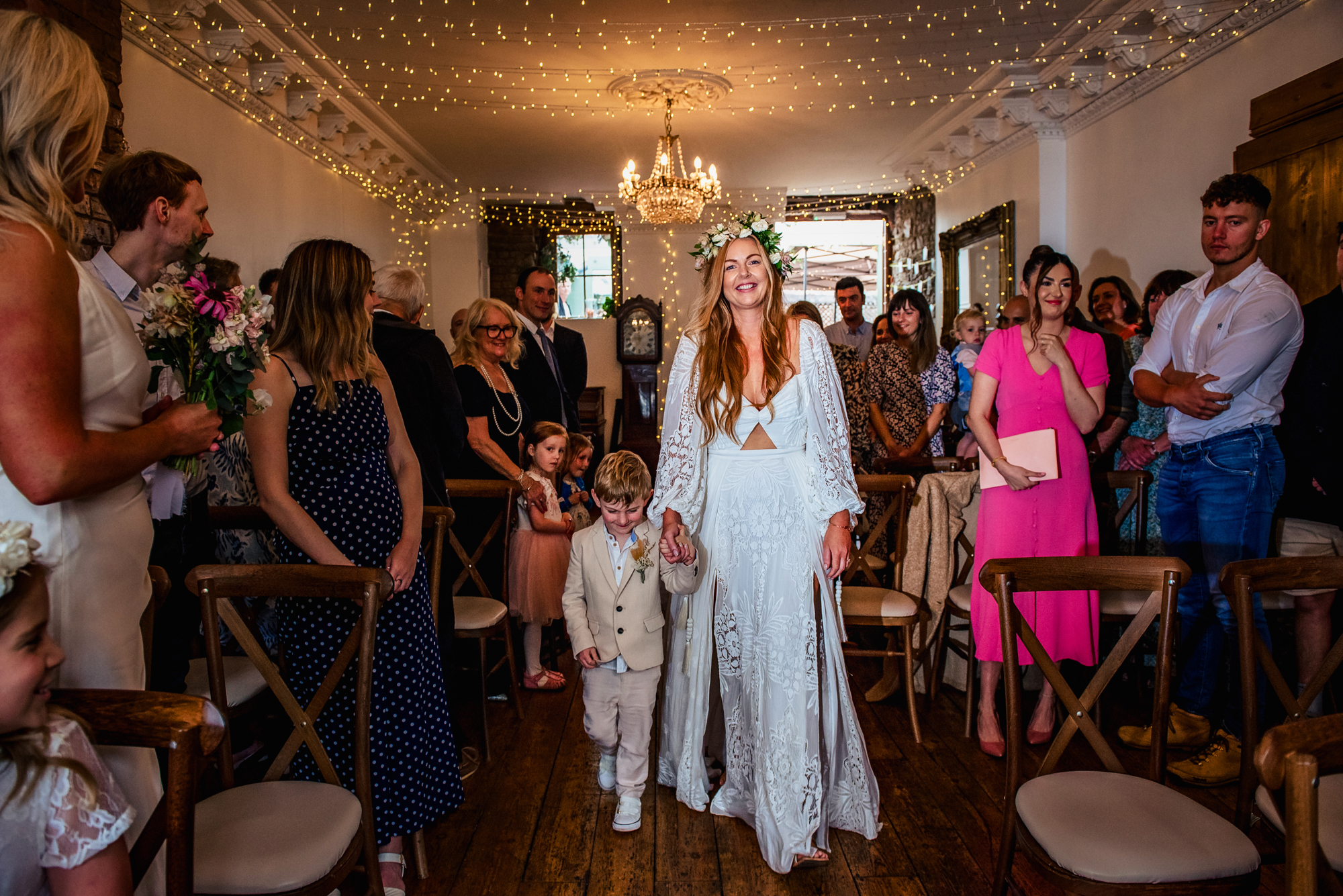
So instead of just listing prices, I want to walk you through this in a way that actually helps you decide.
What things usually cost?
What changes the price?
And what actually matters when you’re choosing.
Because this isn’t just about what you spend.
It’s about how your day feels while it’s happening.
A Simple Starting Point
(So you know where you stand)
If you just want a quick overview first:
Most wedding photographers in the UK fall somewhere between £1,200 and £3,000
You’ll see some below that.
You’ll see some well above.
But this range is where most couples land.

Lower prices usually mean shorter coverage or less support.
Higher prices usually include more time, more experience, and more care around the whole process.
That said, two photographers can charge the same and offer a completely different experience.
So the number on its own doesn’t tell you much yet.
You’ll see similar ranges cited across platforms like Bridebook UK and Hitched UK, but they don’t always explain why those differences exist.
Why the Price Range Is So Wide
This is where things usually start to click.
Because the price isn’t just about “photos”.
It reflects how someone works, how they support you, and how your day unfolds.
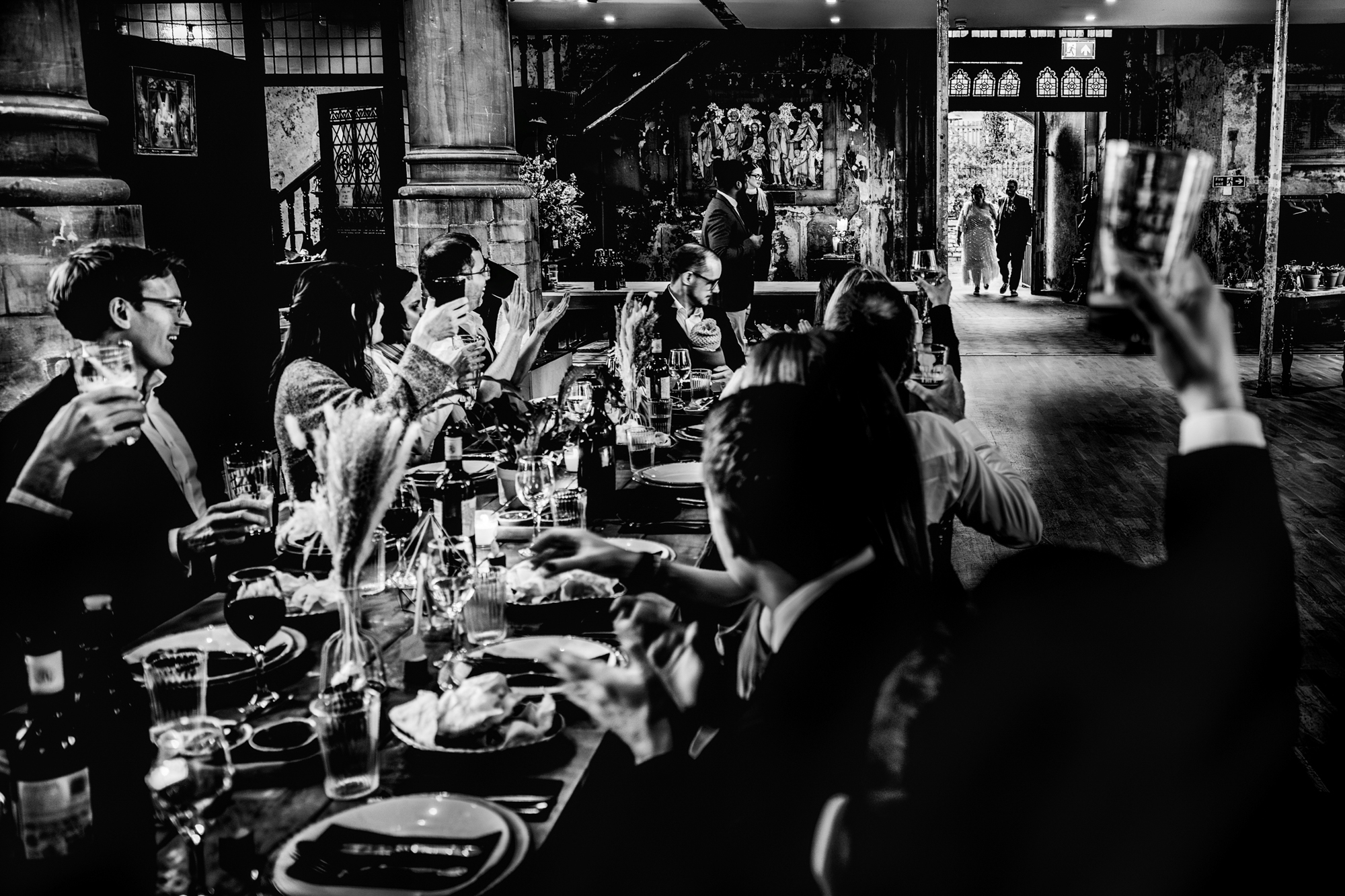
From my side, these are the biggest differences.
You’re not just paying for the wedding day
A wedding might be 8 or 10 hours.
But the work around it is much bigger than that.
There’s time spent:
- planning with you beforehand
- helping you think through timing, light, and flow
- going through thousands of images afterwards
So when you see “full day coverage”, that’s only a small part of what’s actually involved.
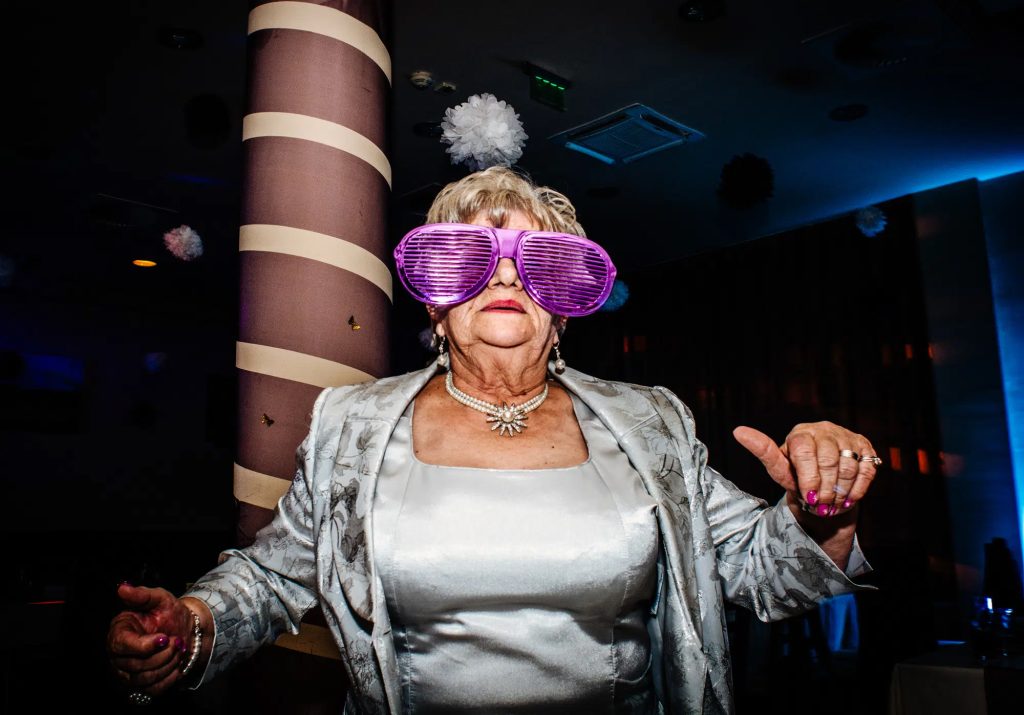
Experience shapes how calm the day feels
This is something couples only realise after the wedding.
An experienced photographer doesn’t just take strong images.
They know:
- when to step in and when to step back
- how to handle difficult light without stress
- how to keep things grounded if the timeline shifts
That creates space for you to relax.
And when you feel calm, everything else follows.
The way someone works changes everything
This part matters more than most people expect.
Some photographers guide a lot.
They organise. They direct. They keep things moving.

Others work more quietly.
You’re not constantly pulled away.
You’re not told what to do every few minutes.
You spend time with your people.
And everything unfolds from there.
If you’re someone who wants to stay present and not feel watched all day, this difference becomes very clear.
What You’re Actually Paying For
(Beyond the photos)
This is usually the turning point.
Because once you see what’s behind the work, the price starts to make more sense.
Before the wedding
This is where a lot of the pressure gets lifted.
You’re not left guessing.

We look at:
- how your timeline flows
- when the light works best
- how to keep things moving without rushing
So by the time the day arrives, you’re not carrying that mental load.
During the wedding
This is where everything either feels easy… or overwhelming.
My role is not to run your day.
It’s to support it.
I stay aware of what’s happening.
I step in when it helps.
And I step back when it doesn’t.
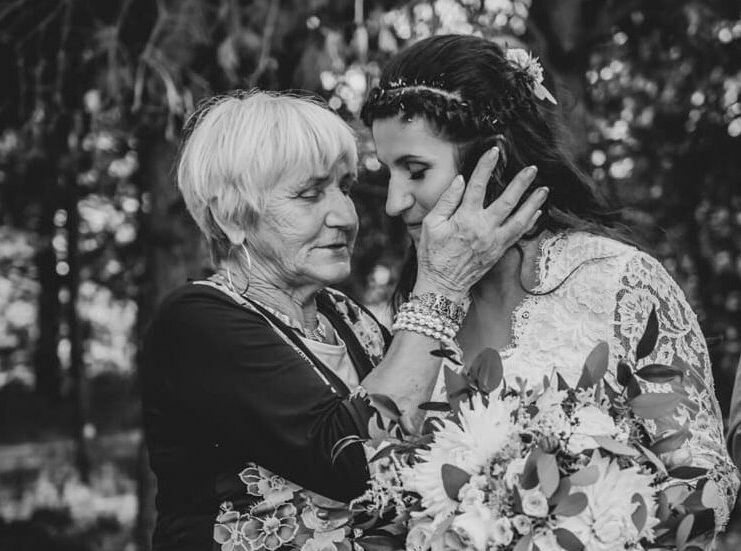
So you’re not thinking about the camera.
You’re just there, with your people, fully in it.
After the wedding
This is where the work slows down again.
Going through everything carefully.
Editing with intention.
Making sure it all feels consistent and true to the day.
Not rushed. Not overdone.
Just honest and considered.
How to Know What’s Right for You
This is the part that actually helps you decide.
Not what something costs.
But what kind of experience do you want?
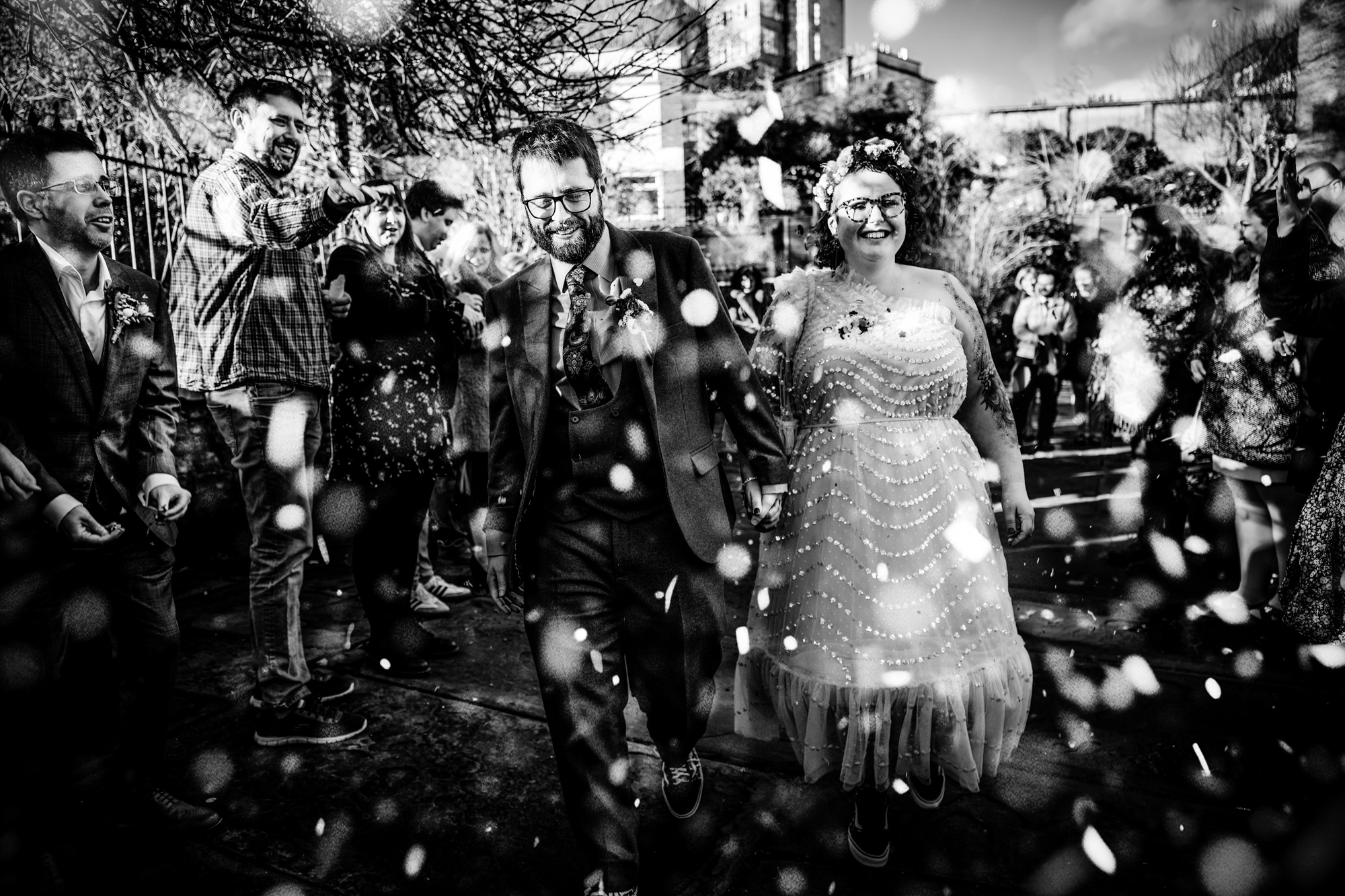
If you want to feel present
Then you need someone who doesn’t interrupt your day.
Someone who lets things breathe and doesn’t turn everything into a photoshoot.
If you’re worried about feeling awkward
Then how someone works matters more than what they charge.
You want to feel:
- comfortable
- unobserved
- able to be yourself
That doesn’t come from posing.
It comes from trust.
If you don’t want the day to feel rushed
Then coverage matters.
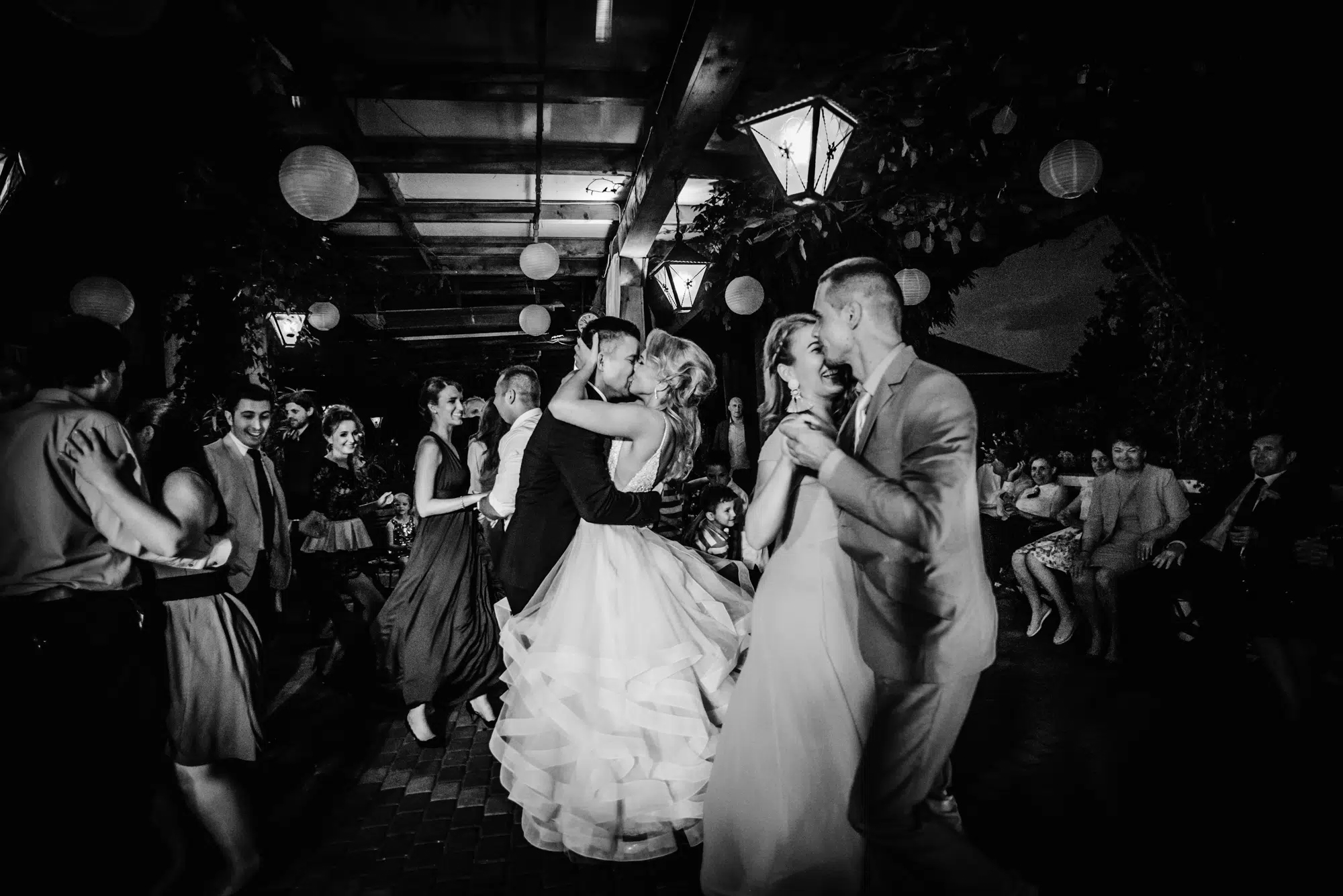
Having enough time means:
- space for real moments
- no pressure to rush through things
- room to actually enjoy it
A Quick Reality Check
(That most people don’t say out loud)
This is something most people don’t say clearly.
If photography is important to you, it’s not just a box to tick.
It shapes how the day feels while you’re in it.
Not just how it looks afterwards.
So it’s less about finding the cheapest option.
And more about finding someone you trust to let you stay present while everything unfolds.
FAQ’s
Planning your
Wedding photography?
Hi, I’m Eszter.
As a wedding photographer based in Bristol, I work in a calm, natural way so you can move through your day without feeling watched or unsure of what to do.
Understanding photography prices might seem like a practical step, but it shapes more than just your budget.
It shapes the experience.
When things feel clear and simple, you stop overthinking and start focusing on what actually matters.
Each other.
Your people.
The feeling of the day as it unfolds.
Because this isn’t about perfect photos.
It’s about being fully there while everything is happening.
My role is simply to stay present, support where needed, and quietly document what’s already real.
Our related guides
Let’s start our journey
Start by filling in the enquiry form, and we’ll take it from there. Don’t worry, you don’t need everything planned out yet. That’s why we are here, to help you on the way!
Hit send, and I’ll be in touch within 2 working days (I promise).
Not ready yet?
Why don’t you download our Relaxed Wedding Blueprint first? You’ll find timeline tips, ways to avoid the awkward photo stress, and small adjustments that make a big difference in your day.
