

What Happens at a Hungarian Wedding?
A Hungarian wedding is a warm, food- and dance-filled celebration. It usually runs from a slow, relaxed morning of getting ready, through a short and personal ceremony, into a long evening reception. The traditions people remember most are the bridal money dance, the bride’s red dress, a playful bride kidnapping, and a shared midnight meal that keeps everyone dancing into the early hours.

I’m Eszter, a documentary wedding photographer based in Bristol and originally from Hungary. I’ve been to these weddings and photographed them on both sides of the camera, in Hungary and here in the UK. So this isn’t a list I pulled off the internet. It’s what these days actually feel like.
Planning a Hungarian wedding?
Or maybe you’ve been invited to one, and you’re not quite sure what to expect.
Hungarian weddings are not quiet, short, or predictable.
They are full days that turn into long nights. There is food, music, laughter, and at some point, things get a little chaotic in the best way.

But what actually happens?
If you are used to UK weddings, some parts will feel familiar. Others will completely surprise you.
In this guide, I’ll walk you through how a Hungarian wedding day typically unfolds, the key traditions, and what it actually feels like to be there.
Because this is not just about understanding it.
It is about experiencing it before you even arrive.
What is a Hungarian wedding like?
A Hungarian wedding is less about strict timelines and more about energy.
It builds slowly through the day, then shifts into something louder, wilder, and more emotional as the night goes on.
You still have the core parts you might expect:
- getting ready
- ceremony
- group photos
- dinner
But after that, things change.
The structure becomes more fluid. Traditions start to take over. Guests get involved. The couple is not just being watched; they are part of everything happening around them.
And the biggest difference?
The celebration does not end after a few hours.
It usually goes on until midnight… and then keeps going.

If you are curious about how wedding styles can vary, this guide from Brides offers a helpful overview of cultural differences across countries.
A typical Hungarian wedding timeline
Every wedding is different, but most Hungarian weddings follow a similar flow.
Here is a simple breakdown of what you can expect:

| Time of Day | What Happens |
|---|---|
| Morning | Getting ready with family and friends |
| Early afternoon | Civil ceremony (and sometimes church ceremony) |
| After ceremony | Congratulations, photos, drinks |
| Late afternoon | Dinner and speeches |
| Evening | First dance and open dance floor |
| Midnight onwards | Traditions, games, and continued celebration |
This structure gives you a good idea of the day, but the feeling is more relaxed than the table suggests.
Let’s go through each part in more detail.
Want the calm version of all this?
Grab my Relaxed Wedding Blueprint. It’s the planning approach I use to keep a wedding day feeling human instead of rushed.
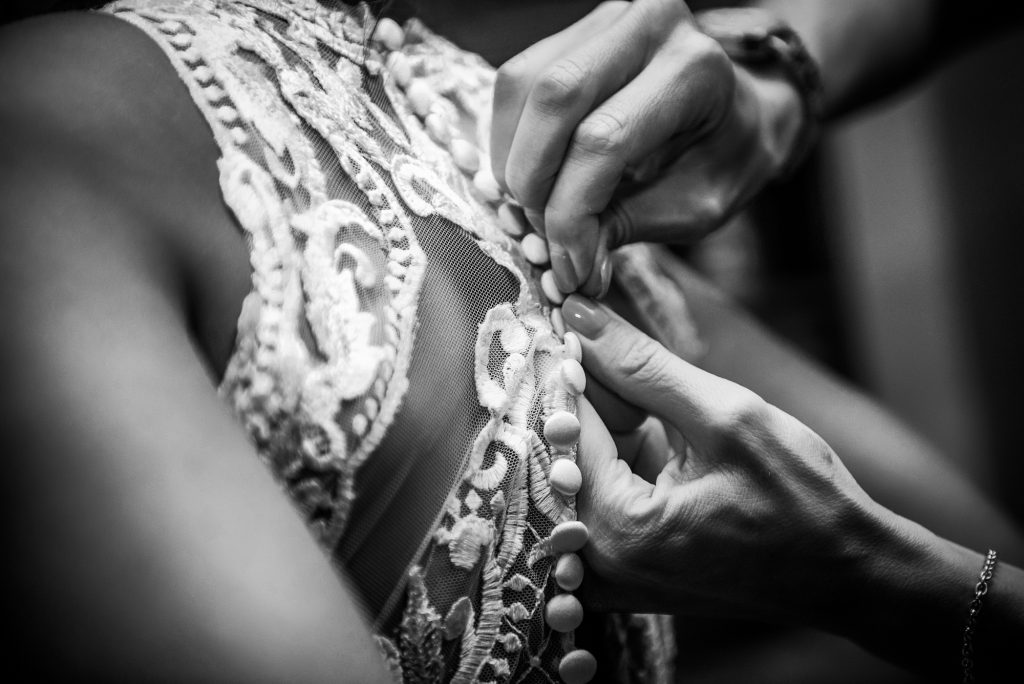
Getting ready: a calm and personal start
The morning is usually quiet and personal.
Family members are close by. There are small conversations, practical details, and moments that are easy to miss if you are not paying attention.

In Hungary, there is also a tradition in some regions where the groom and his party go to the bride’s house to “ask for her” before the ceremony. This can involve short speeches, music, and a playful exchange between families.
These moments are not staged. They happen naturally, and they often carry a lot of meaning.
The ceremony: simple, meaningful, and focused
Hungarian weddings usually begin with a civil ceremony, which is the legal part of the marriage. Some couples also choose a church ceremony.

The civil ceremony often includes:
- a registrar leading the service
- personal vows or readings
- symbolic gestures, such as exchanging rings
In some ceremonies, couples also drink from a shared cup, known as a unity cup, which symbolises their life together.
After the ceremony: congratulations, photos, and a relaxed atmosphere
Once the ceremony ends, the atmosphere shifts quickly.
Guests gather outside. There are hugs, laughter, and overlapping conversations. People move freely between groups, and the structure becomes less visible.
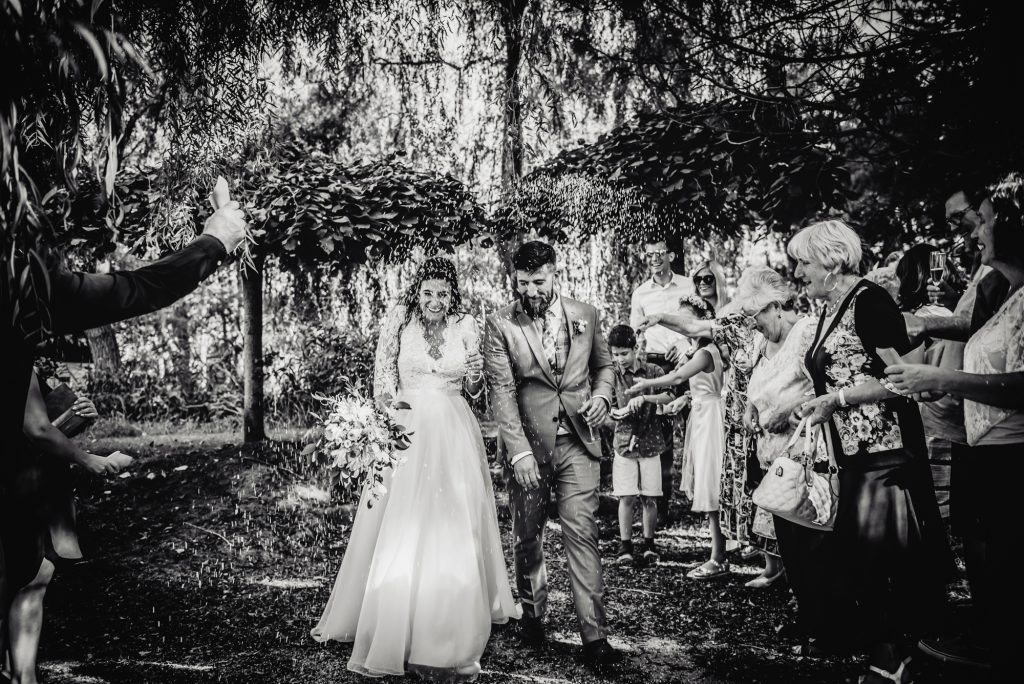
This is when:
- confetti or rice is thrown
- group photos are taken
- drinks are shared
In Hungary, it is common for guests to greet the couple individually, which creates a long, continuous moment of connection rather than a quick transition.
Dinner: a central part of the celebration
Dinner is a central part of a Hungarian wedding.
Meals often include traditional dishes such as:
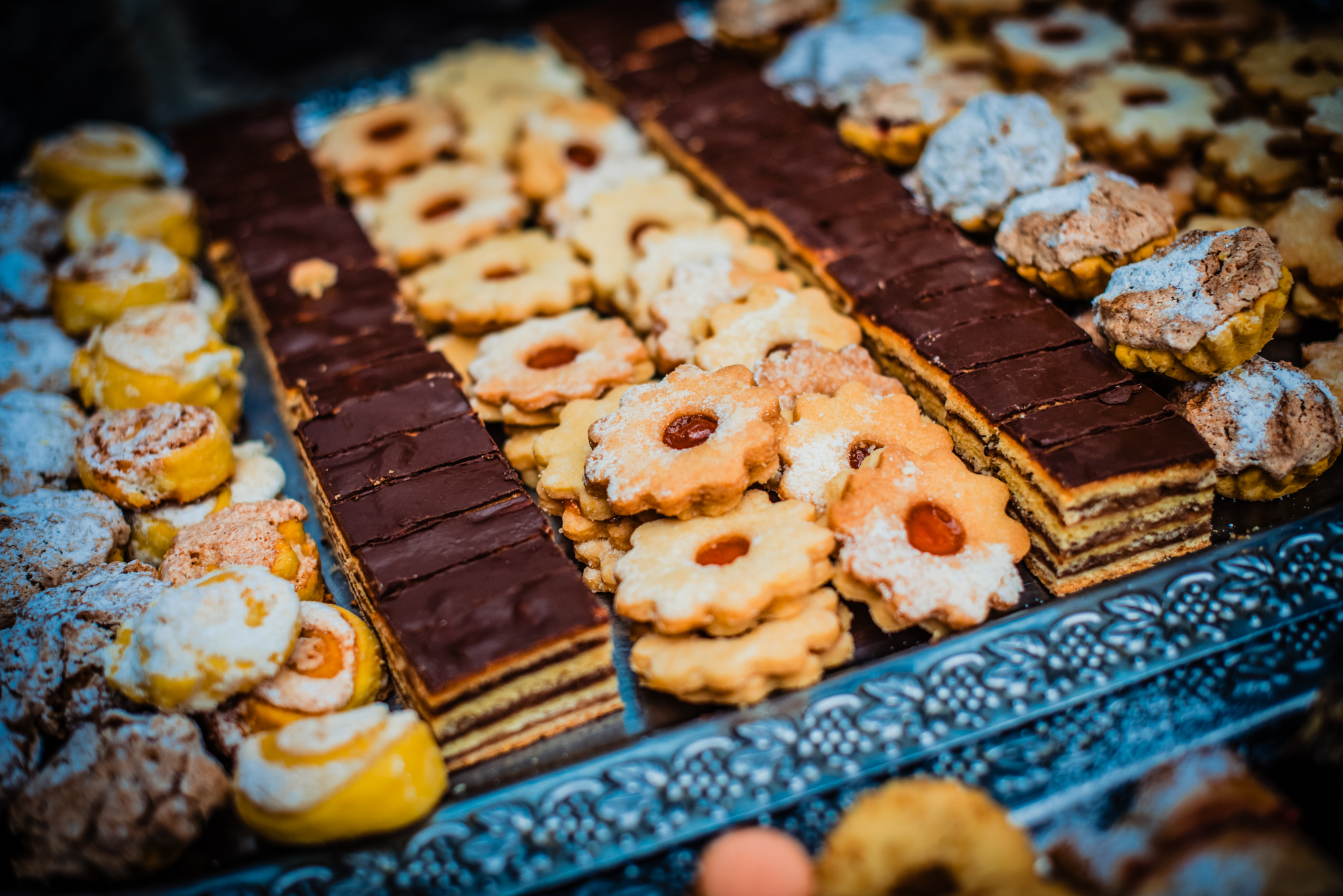
- goulash or soup served first
- meat dishes with sides
- desserts or pastries
Food is served over several courses, and the pace is slow.
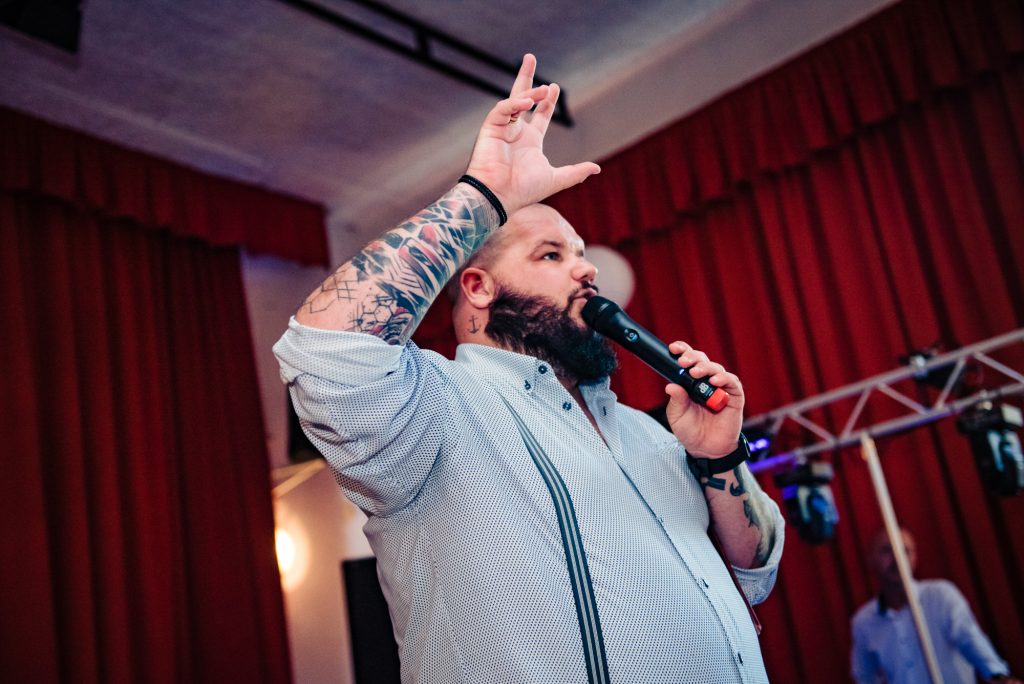
In many weddings, a vőfély (a traditional master of ceremonies) leads parts of the evening. This role includes guiding the flow of dinner, introducing speeches, and sometimes adding humour or poetry.
The first dance: the start of the evening energy
The first dance marks a change in the day.
After this moment, the dance floor opens, and the atmosphere becomes more active.
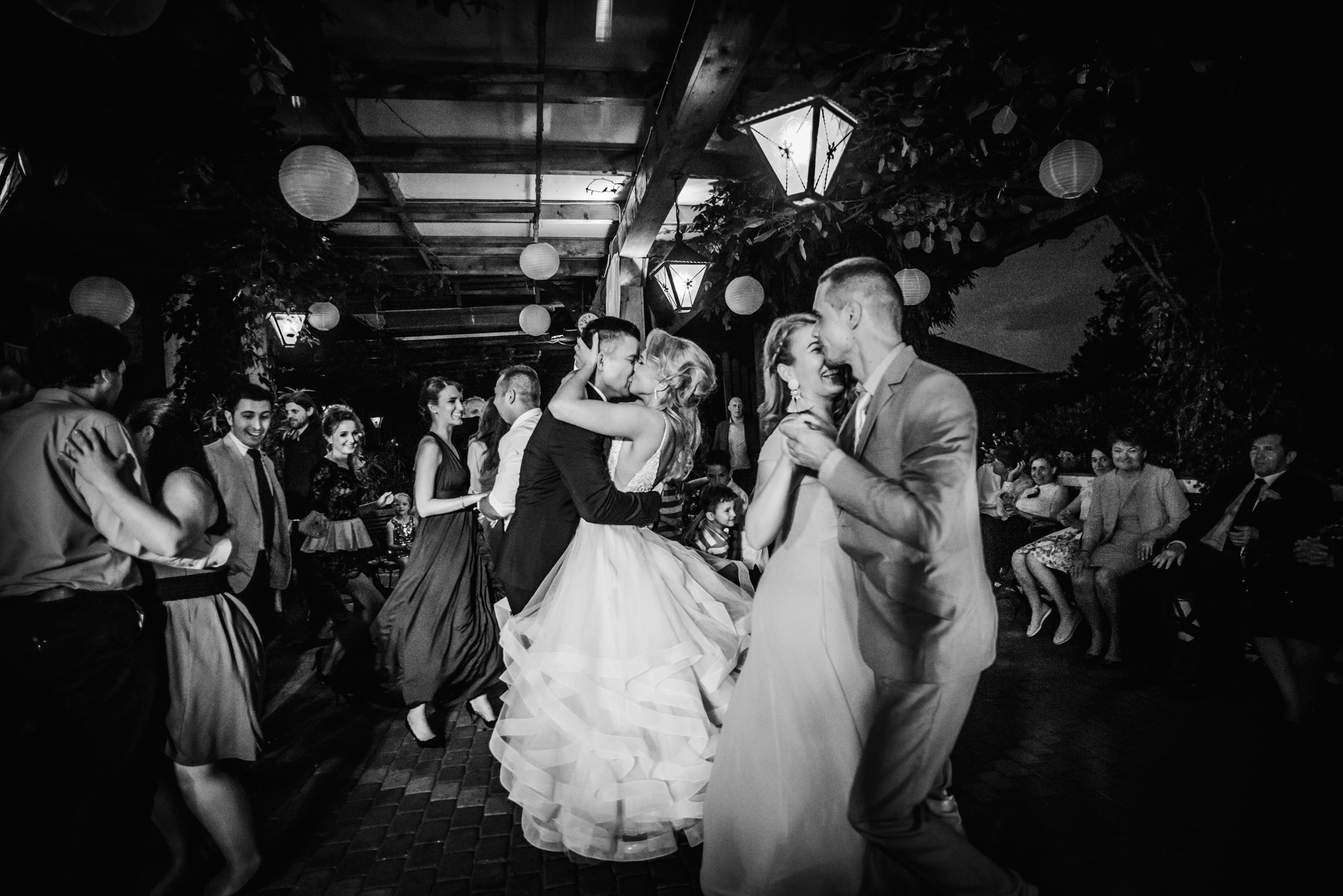
Unlike many UK weddings, where the evening has a clear structure, Hungarian weddings often become more fluid celebrations.
From this point on, it is less about what is planned and more about what unfolds.
Hungarian wedding traditions explained
Hungarian wedding traditions are designed to involve people. They are not just observed. They are experienced.
The bridal dance (money dance)
The bridal dance is one of the most recognised traditions.
Guests take turns dancing with the bride and pay money for a short dance. This continues until many guests have had their moment.

It is lively and continuous, often becoming one of the most memorable parts of the evening.
The red dress
Around midnight, the bride often changes into a red dress.
This tradition symbolises a transition into married life. It also marks a clear shift in the atmosphere.

The formality of the day softens, and the celebration becomes more relaxed.
Bride kidnapping
In some weddings, the bride is taken away by guests, and the groom must complete a challenge to bring her back.
This can involve singing, dancing, or completing small tasks.

It is playful and unpredictable, adding an element of surprise to the evening.
Midnight food
Later in the night, more food is served.
This is often simple and warm, such as stew or sandwiches, and it allows guests to continue celebrating.
Hungarian weddings are known for lasting until early morning, so this part helps sustain the energy.
Where these traditions come from
(and how they change by region)
A lot of these customs started in the Hungarian countryside, and they still look different depending on where the family is from.
The money dance, or menyasszonytánc, goes back to village weddings where the whole community chipped in to send the couple off. In some regions the best man “sells” the bride with a bit of theatre and haggling. In others it’s quieter, just a quick dance and a coin in a hat.
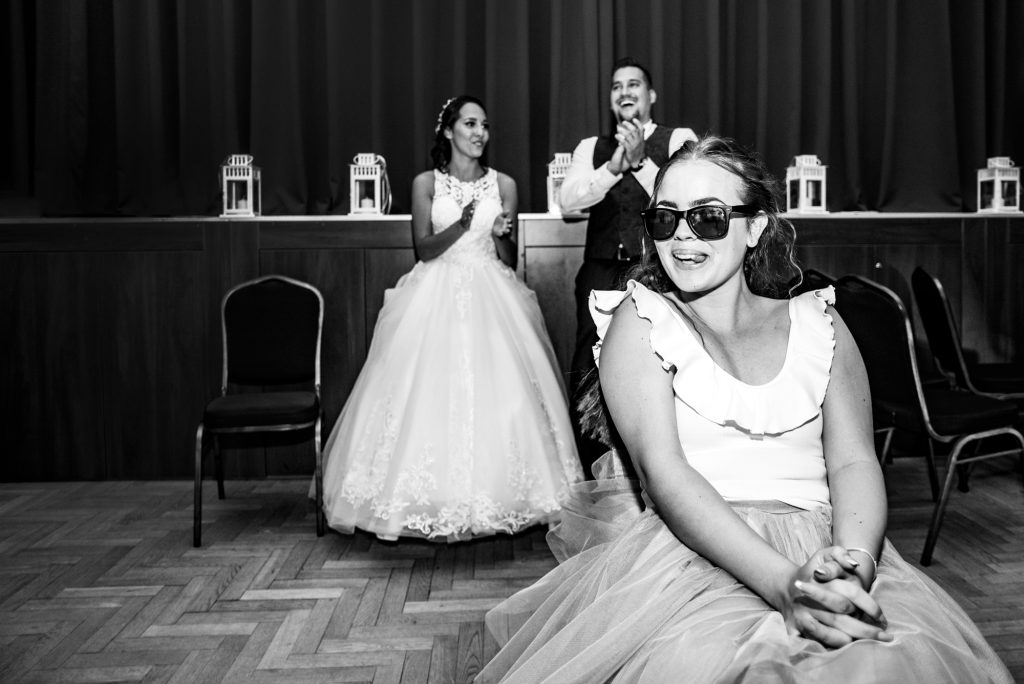
The red dress has folk roots too. In the traditional dress regions like Kalocsa, or Matyó country around Mezőkövesd, the outfit change meant full embroidered folk costume, not a modern red gown. If your family comes from one of those areas, that embroidery is worth building into the day.
Midnight food is the least negotiable tradition of the lot. Usually it’s a rich meat stew or stuffed cabbage, and it exists for one honest reason. People have been dancing for hours, and they need feeding.
Hungarian wedding vs UK wedding
What feels different
If you are used to UK weddings, there are a few key differences you will notice.
| Hungarian Wedding | UK Wedding |
|---|---|
| Longer celebration | Shorter, structured day |
| Flexible timeline | Fixed schedule |
| Strong guest involvement | More observational |
| Traditions throughout the evening | Fewer interactive traditions |
| Celebration continues late | Often ends earlier |
Hungarian weddings feel more gradual and more social. The focus is less on moving through a schedule and more on spending time together.
How to include Hungarian traditions in a modern wedding
Many couples today choose to combine Hungarian traditions with a more modern wedding style.
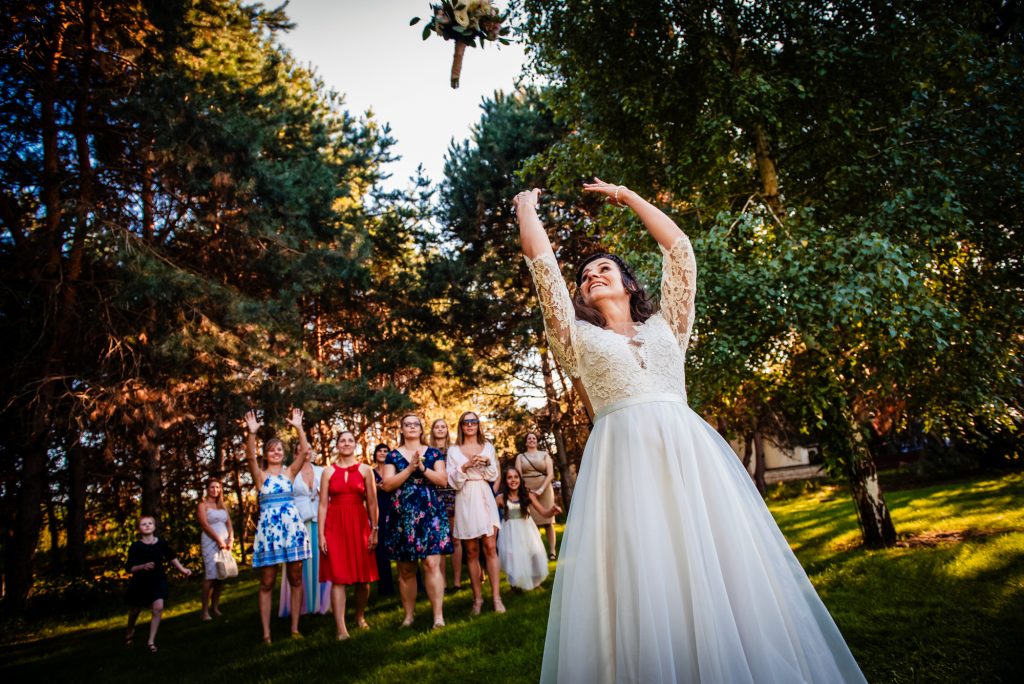
You might include:
- the bridal dance
- traditional food
- music or cultural elements
while keeping the overall structure familiar to your guests.
This approach allows you to keep a connection to tradition without feeling restricted by it.
Frequently Asked Questions
Planning a
Hungarian wedding in the UK?
If you’re bringing Hungarian traditions into a British wedding, you probably want someone behind the camera who already knows what’s coming. When the red dress appears, when the money dance kicks off. When the midnight food finally lands. I’m Hungarian, I’m based in Bristol, and I’ve photographed weddings from the inside.
I’d love to hear what you’re planning. Take a look at my wedding packages, or just get in touch and tell me about your day.
Our related guides
Let’s start our journey
Start by filling in the enquiry form, and we’ll take it from there. Don’t worry, you don’t need everything planned out yet. That’s why we are here, to help you on the way!
Hit send, and I’ll be in touch within 2 working days (I promise).
Not ready yet?
Why don’t you download our Relaxed Wedding Blueprint first? You’ll find timeline tips, ways to avoid the awkward photo stress, and small adjustments that make a big difference in your day.
