

How Many Hours of Wedding Photography Do I Need?
How many hours of wedding photography do I need? It is one of the first questions couples ask me, usually somewhere between picking a venue and panicking about the seating plan.
The honest answer is that it depends. I know, not the tidy number you were hoping for. But it depends on something specific: the shape of your day, not a one-size chart.

Here is the one thing I will say plainly. Please do not choose your coverage based on budget alone. After the day itself, the photos are the part that stays with you, and trimming an hour to save a little now is the decision couples most often quietly regret later.
So this is not a generic hours chart. It is how I actually think about it after 13 years of weddings: the real moments where time disappears, a simple way to work out your own number, and when a separate session makes more sense than booking more hours.
The Honest Answer: 8 to 10 Hours Suits Most Weddings
If you want a starting number, here it is. For most weddings, 8 to 10 hours is the sweet spot. It covers the day from getting ready through to the dance floor, with enough room that nothing feels rushed.
Could you do it in less? Yes, depending on how much you are fitting in. 6 hours covers the essentials of the day. 10 to 12 hours lets you relax the most and gives you the whole story from start to finish, including the in-between moments.
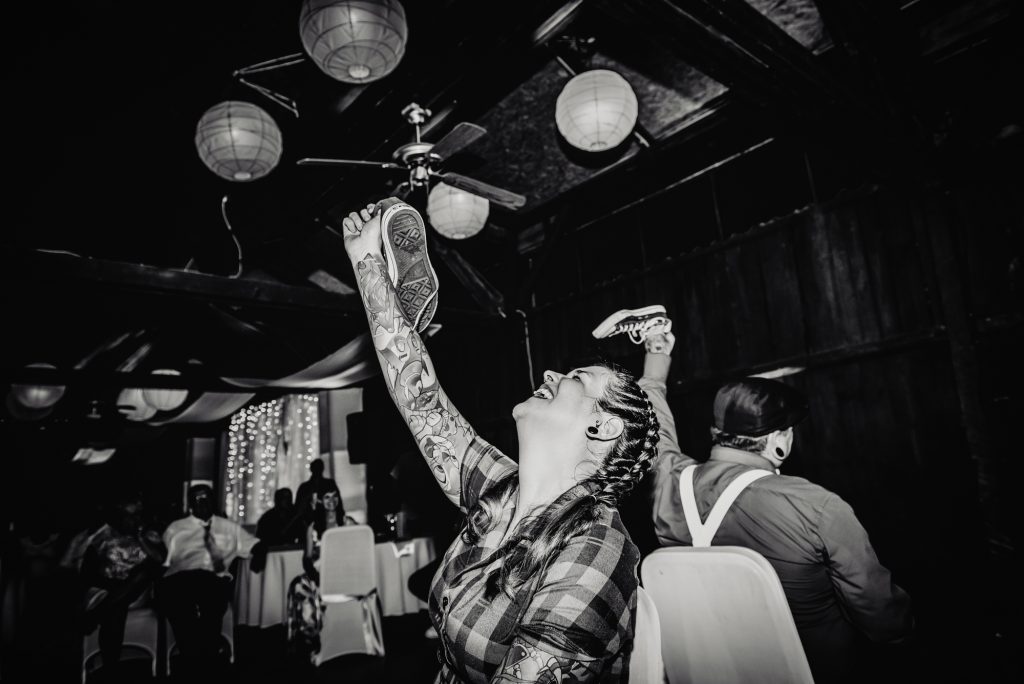
I usually land couples around 8 to 10 hours, then we adjust from there. If you are squeezing several events into one day or moving between locations, you tend to lean toward more. If your day is contained and unhurried by design, you can lean toward less.
On budget, I get it; weddings are expensive. Coverage length is one of the biggest factors in how much money you spend on a wedding photographer. My point is not to spend more for its own sake. It is to decide based on your day, then find the coverage that fits, rather than the other way around.
What Actually Eats Into Your Hours on a Wedding Day
Here is where couples get caught out. Everything on a wedding day takes longer than the plan says it will, even when the plan is a good one.
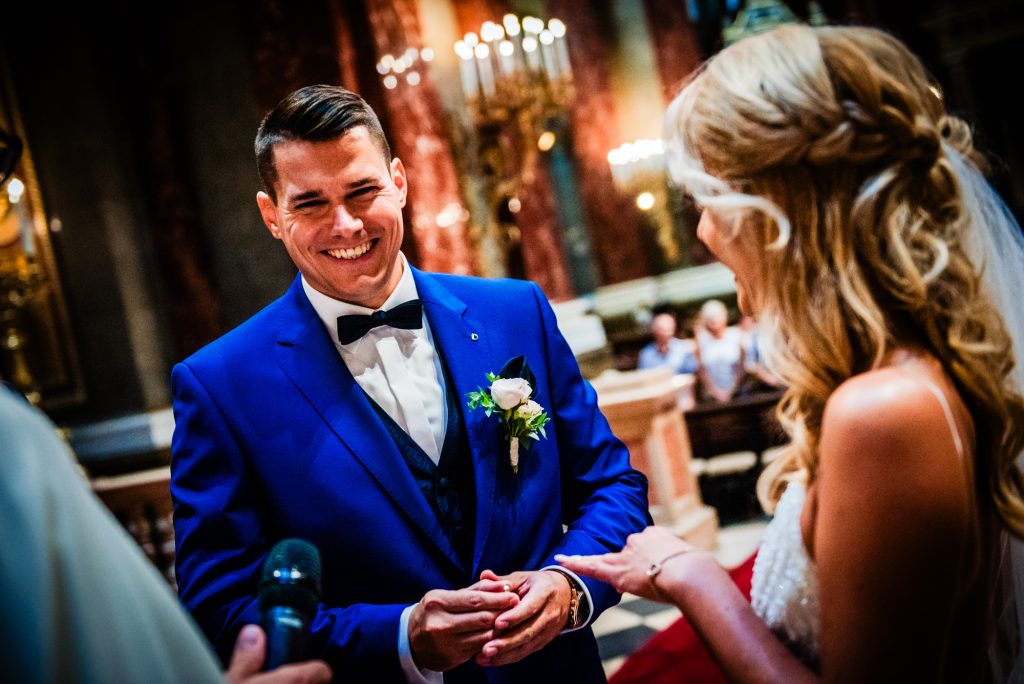
Think about how the day actually moves: getting ready, travel to the ceremony, the ceremony itself (or ceremonies, if you are having more than one), the drinks reception, the meal, the speeches, then the dance floor. Every transition between those has a gap, and gaps add up.
Buffer time is not a luxury. It is insurance. Something will run late; it almost always does, and if your coverage is tight to the minute, a 20-minute delay early on can swallow your portrait time later. Building in breathing room means a delay stays a small thing rather than a domino effect.
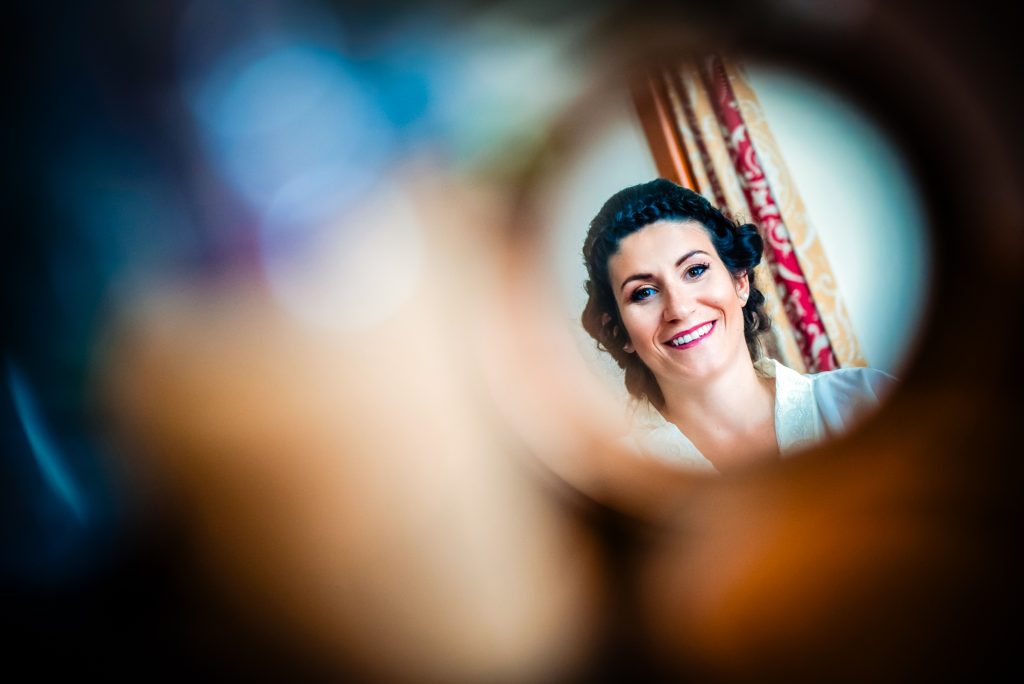
A few specific places hours quietly disappear:
- Getting ready running over, which pushes everything after it
- Travel between two venues, especially if they are not close together
- The gap before the evening do, when nothing is technically happening but the clock is still running
- Portraits, which take longer than people expect once you factor in group shots and a walk to a nice spot
This is also where the timeline does much of its quiet work. If you want to see how the pieces fit together, I have written a full guide to plan a calm wedding day timeline, and it pairs well with this one.
One thing most couples do not realise is that the meal is our break. While you are eating, we are eating too, and resting before the evening. So the wedding breakfast is rarely full shooting time, and that is worth knowing when you map your hours. And if the morning matters to you, getting ready photos are one of the parts couples most regret cutting.

How Do I Work Out How Many Hours I Need?
The best way to land on your number is to stop thinking in hours for a minute and think about your day instead. These are the questions I walk couples through, and you can answer them yourself right now:

- What are the non-movable events? The ceremony time, the meal, anything with a fixed slot.
- What unique touches do you want included? The small, personal moments that make the day yours.
- Will there be more than one location, and how far apart are they?
- Do you want your portraits at the same place, or would a separate day suit you better?
- Have you built in time to actually be with each other, and with your guests?
- What is happening during the drinks reception? Are you joining it, or doing photos?
- Are you having a receiving line? They take longer than people think.
- What is the order of the day, part by part?
Once you have those answers, the number tends to reveal itself. Map your day first, with honest timings and a little slack, and the coverage you need stops being a guess.
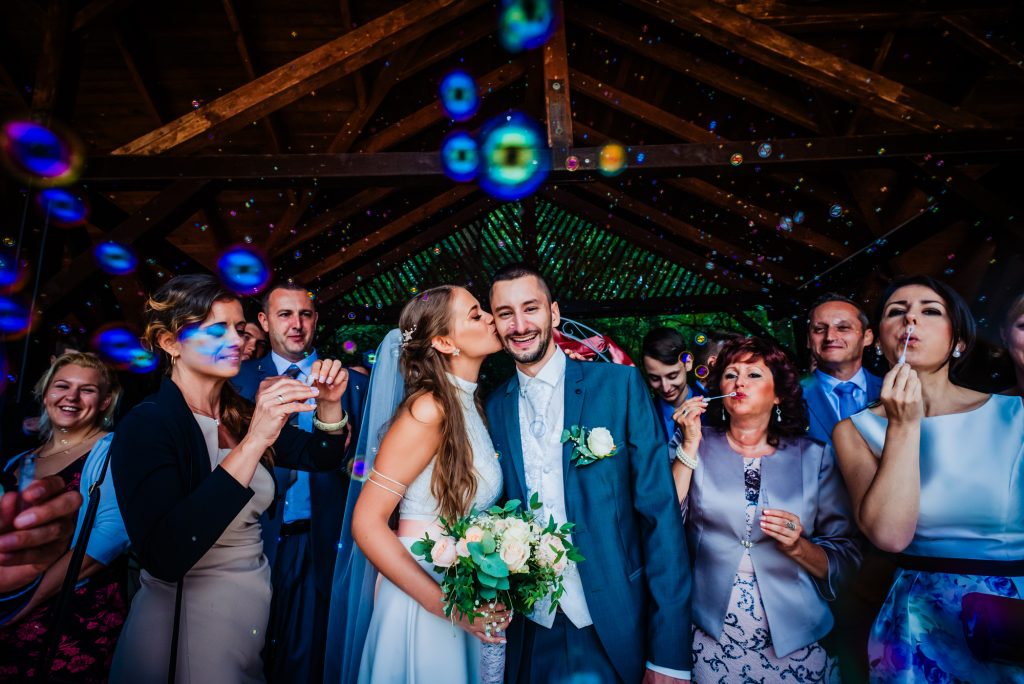
If you would rather not do this alone, this is exactly what I help with. I now include timeline planning in my packages, so we can look at your day together and see which coverage genuinely fits, rather than picking a package and hoping it stretches.
What Each Coverage Length Gives You
To make it concrete, here is roughly what different lengths get you.
6 hours covers the essentials. The ceremony, the key parts around it, the heart of the day. It works well for smaller, contained weddings at a single venue with a later start, where you are not trying to fit in a long morning or a late night.

8 to 10 hours is where most couples land. It gives you the morning, the ceremony, the reception, and a good run of the evening, with enough slack that a delay does not cost you anything that matters.
10 to 12 hours is for the whole story, told without watching the clock. This is the most relaxed version of the day. We are with you from the start; we settle into the background, and we are there for the quiet, unplanned moments that tend to be people’s favourites later.

Here is the part worth holding on to: more hours do not just mean more photos. They buy you breathing room. The difference between a rushed day and a calm one is often just an extra hour or two of slack. If you want to see how this maps onto real options, take a look at my wedding photography packages.
When a Separate Session Beats Booking More Hours
Sometimes the answer is not more hours on the day. It is a separate session instead.
I had a wedding once where the timeline was tight, and by the time we reached the evening there was no window left for the golden, late-light portraits I knew the couple wanted. So we did not force it on the day. We booked a separate shoot afterwards and got those photos properly, without anyone feeling rushed or pulled away from their guests.
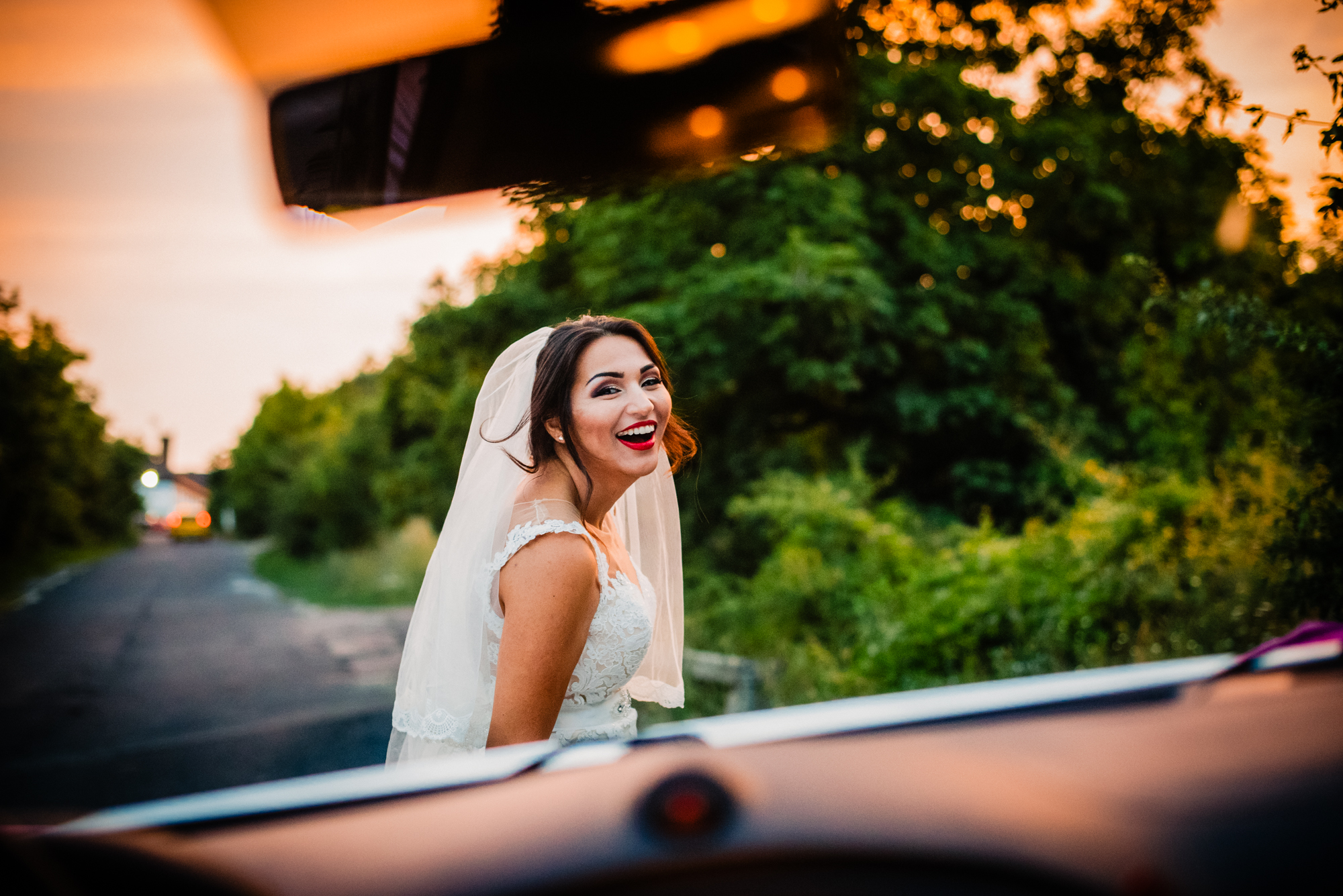
That is usually when I suggest a separate day:
- If you do not want to step away from your family and friends for a long portrait session
- If the weather is not playing along, and as much as I love a moody, backlit rainy frame, not everyone is up for it
- If you simply want relaxed portraits with room to breathe
One thing to be clear about: a separate session does not reduce the hours you need on the wedding day. It is not a money-saving swap. What it does is protect the day from feeling crammed when you have a lot planned. If that sounds like you, a separate pre-wedding session can take the pressure off and still give you the photos you had in mind.
What About Two Photographers, Destinations, and Non-Traditional Days?
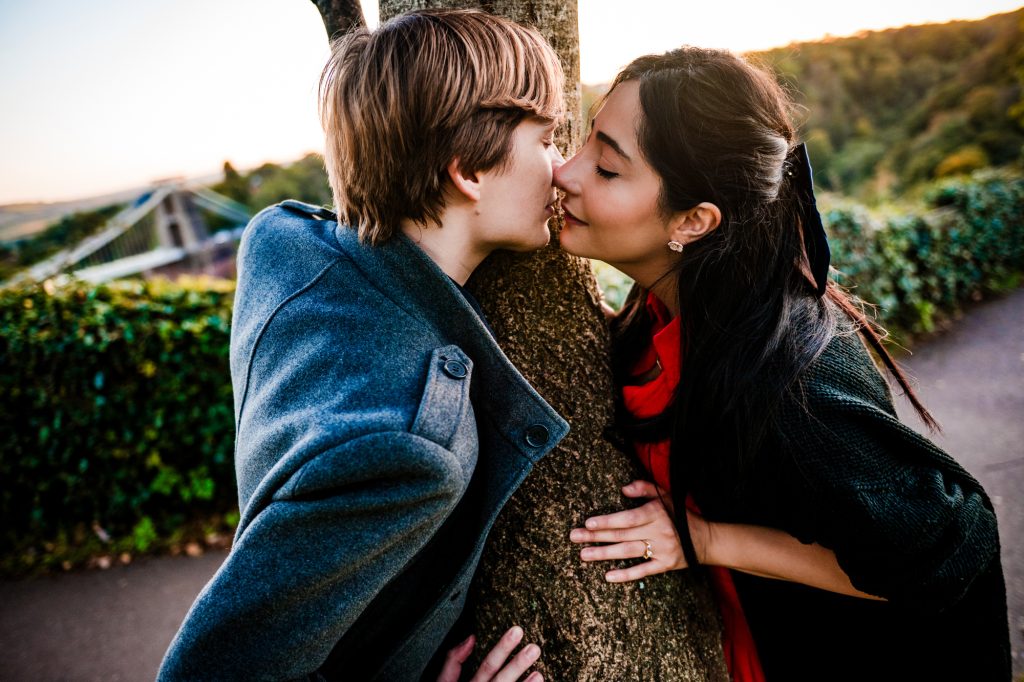
Not every wedding fits the standard single-day British template, and honestly, fewer and fewer do. Bridebook’s 2026 report found that natural, unposed photography remains the most popular style by far, and that older traditions are gently fading as couples build days that feel like them. So if your day looks different, here is how that changes the conversation about hours.
Two of Us, and Lighting as Standard
George works alongside me at every wedding, handling lighting as standard. That is not the norm, and here is what it actually buys you.
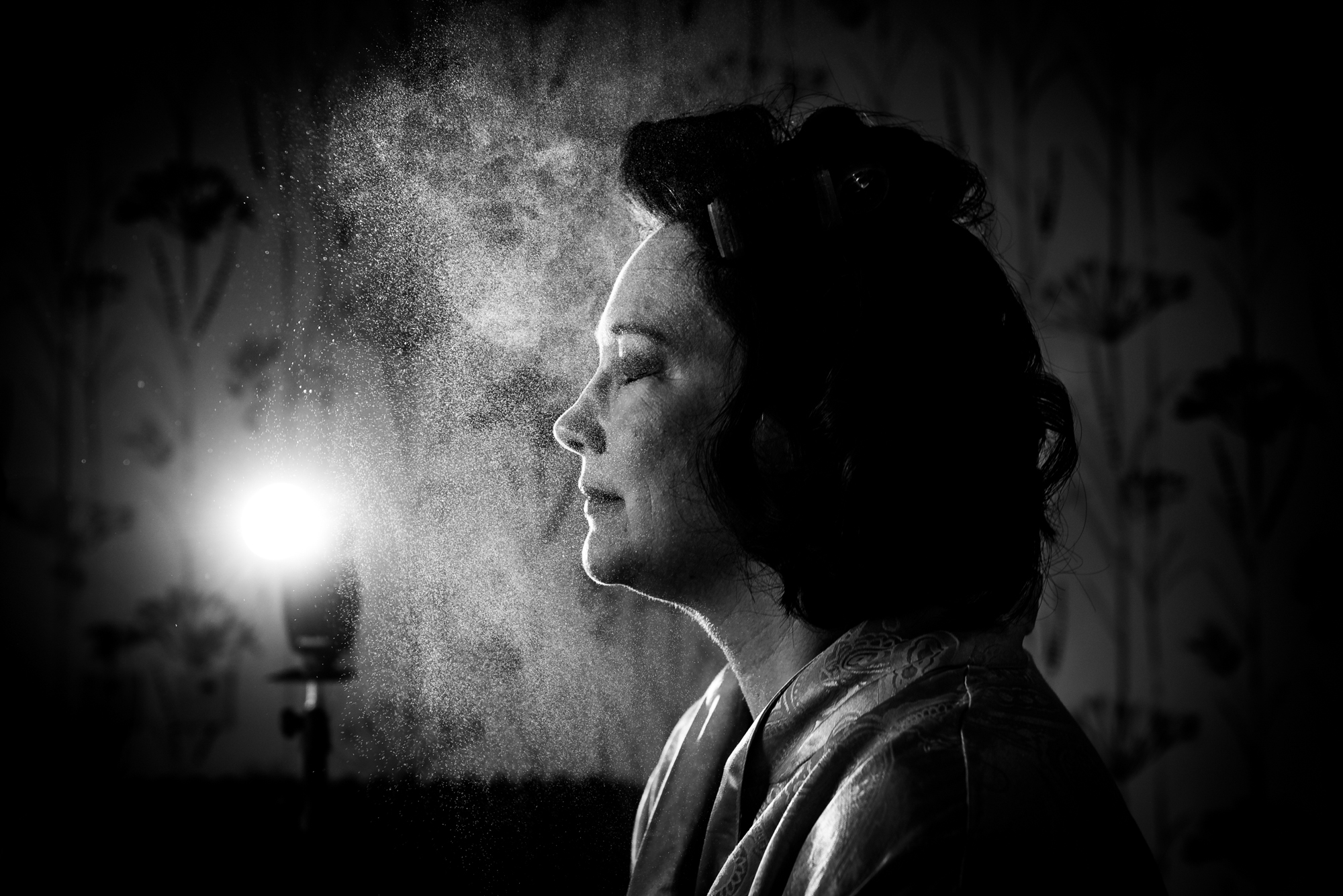
It will not let us be in two places at once; I want to be honest about that. What it does is make sure your whole gallery holds up, even when the light does not. A dark winter reception that a solo photographer would struggle with is not a problem for us, because the lighting is handled properly throughout.
It helps a little, too. When it is time for your portraits, George can show you a starting point on a real couple, so you can see how a pose works (and how slightly awkward it feels from the inside, which is weirdly reassuring). If you are weighing up one photographer or two for your own day, that is worth factoring in.
Destination Weddings
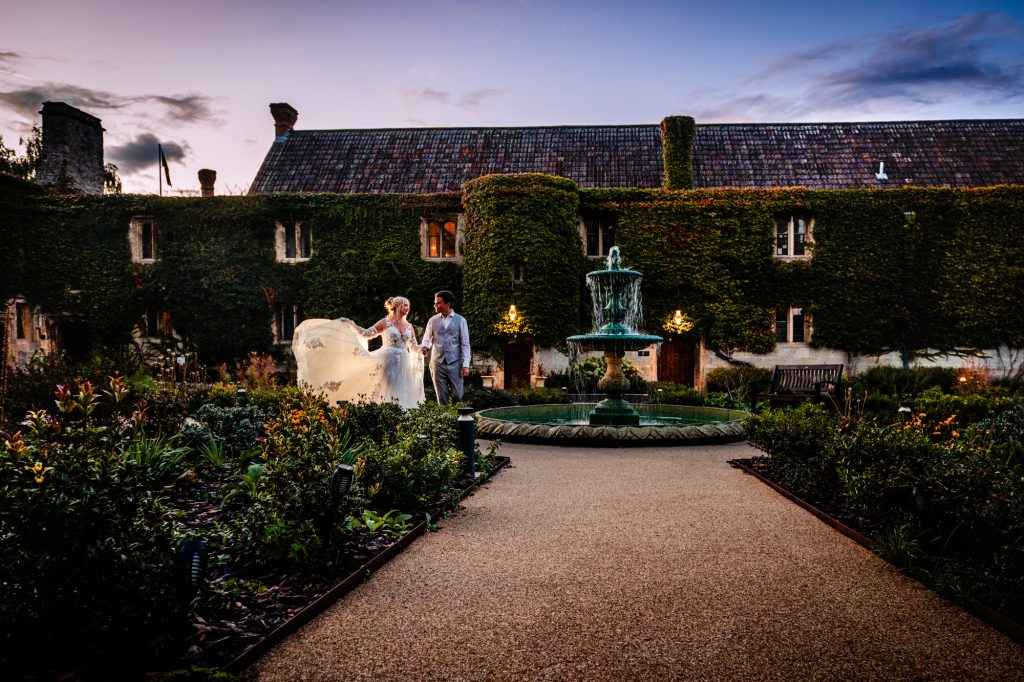
If your wedding is further afield, in the UK or in Europe, the first thing we do is build travel into the plan. Getting there, setting up, and being ready before anything starts all take time, and it has to be costed into the day rather than assumed.
Destination days often run on a different shape to a standard British wedding, with the events spread differently. The hours can shift to match. The principle does not change, though: you still want buffer time and enough room so nothing is rushed.

Multicultural and Multi-Day Celebrations
If your wedding honours more than one culture, or runs across more than one day, the conversation about hours looks different again. There are often more events, more moving parts, and more that genuinely matters to you and your families.
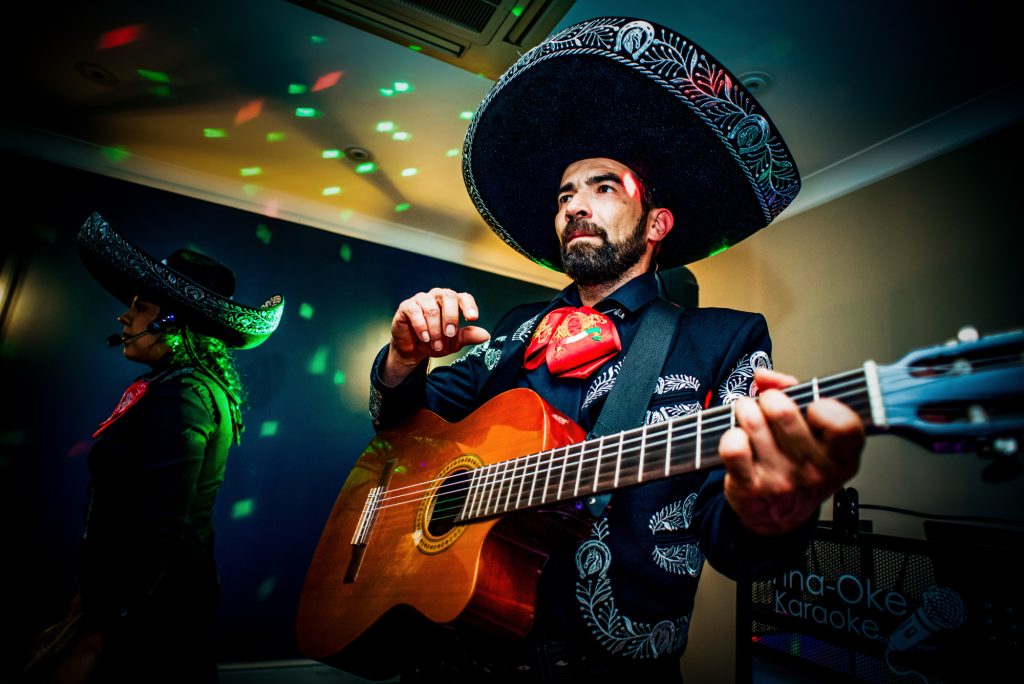
I photographed Ruby and Ben at Arnos Manor here in Bristol, a day that brought two backgrounds together with live mariachi and a packed dance floor, with portraits at Ashton Court after the ceremony. Nothing was simplified or squeezed to fit a template. For days like that, I offer personalised packages, so every part has the time it needs.
So, How Many Hours of Wedding Photography Do You Need?
Build the answer around your day, not your budget. For most couples, that lands at 8 to 10 hours, with more if you are fitting a lot in or moving between locations, and less if your day is small and contained.
If you take one thing from all of this, let it be this: give yourself enough time that nothing has to be rushed. If you are unsure between two lengths, go for the longer one. The breathing room is almost always worth it, and it is the difference between living your wedding day and racing through it.
Ready to start
Planning your wedding?
You don’t need to have your hours figured out before you reach out. Most couples don’t know exactly how much coverage they want yet, and that’s completely fine. What matters is finding someone whose work makes you feel something, and then working out the rest together.
If you’re getting married in Bristol or further afield, and you want photos that feel like the day actually felt, fill in the enquiry form and tell me what you’re planning. Even if it’s just a date and a loose idea of your day, I’d love to hear it.
If you’d rather it stay fully generic (not tied to the hours topic), say the word, and I’ll swap the opening lines back to the style-agnostic version.
Our related stories
Let’s start our journey
Start by filling in the enquiry form, and we’ll take it from there. Don’t worry, you don’t need everything planned out yet. That’s why we are here, to help you on the way!
Hit send, and I’ll be in touch within 2 working days (I promise).
