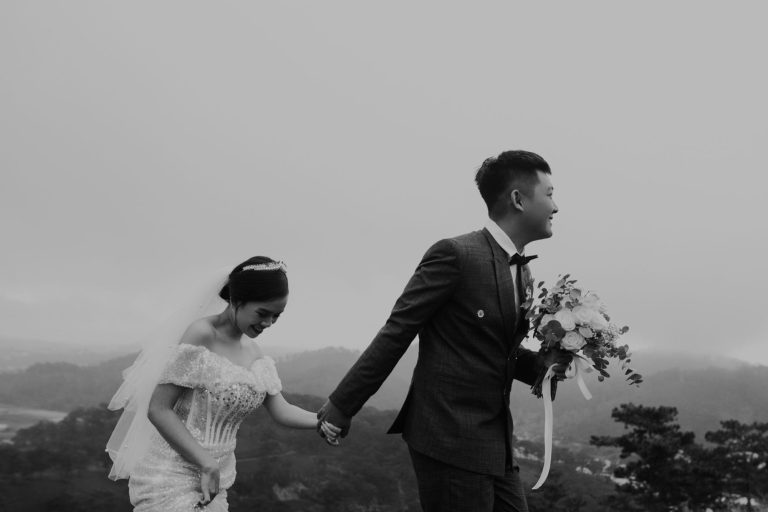

Documentary Style Wedding Photography
What it really means (and whether it’s right for you)
After photographing weddings for more than 12 years, I’ve noticed something very clear.
The couples who enjoy their wedding day the most are rarely the ones who treat it like a photoshoot.
They’re the ones who forget the camera is there. The ones who stay in conversations longer. The ones who don’t keep checking whether they “look right.” And when they receive their gallery, they don’t just see how their wedding looked. They remember how it felt.
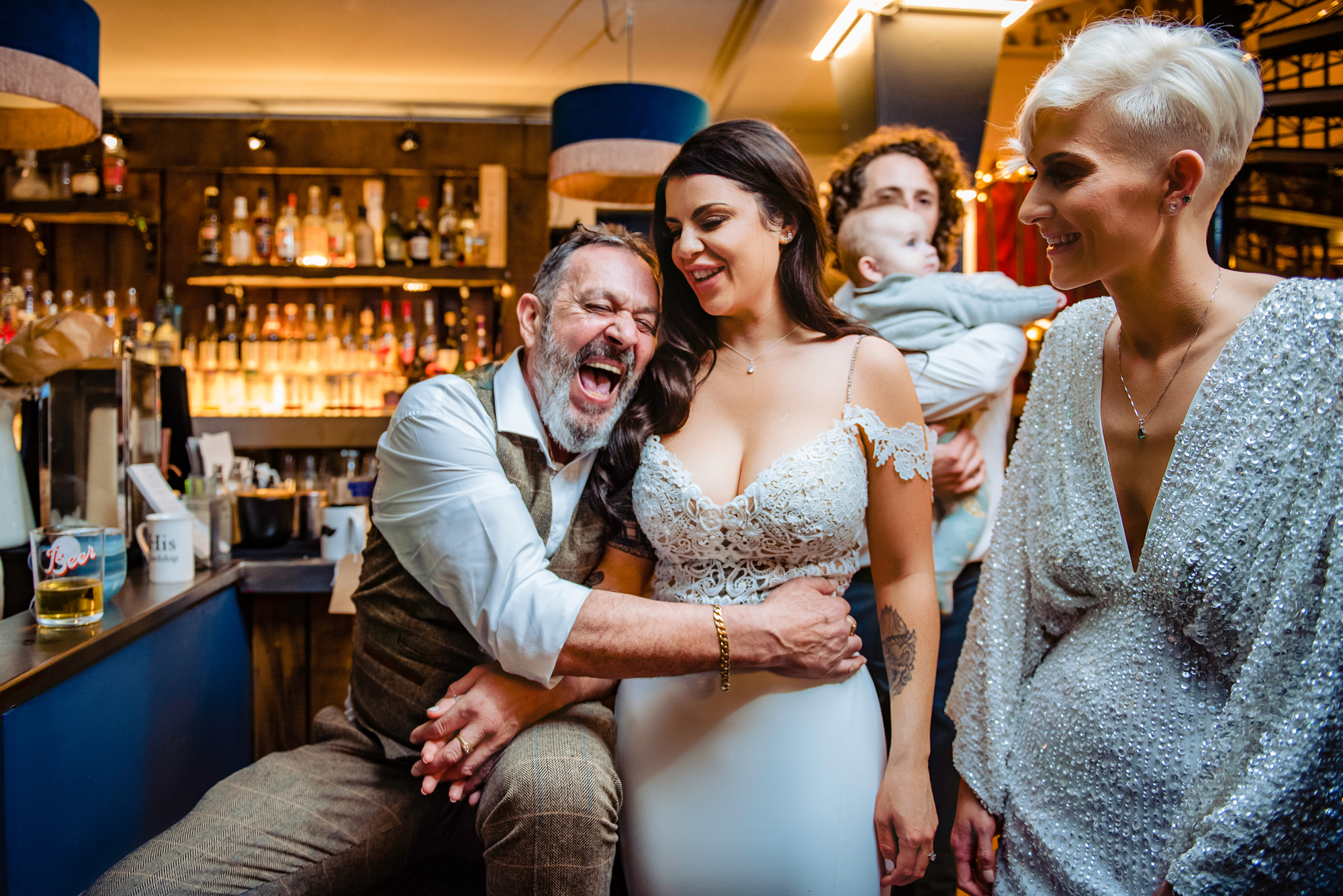
That is the heart of documentary-style wedding photography.
If you’re here because you’re curious about what that actually means or because you’re trying to decide which style fits you, this guide will walk you through it. Not the vague version. The real one.
What Is Documentary Style Wedding Photography?
Let’s clear this up, shall we?
Documentary wedding photography has its roots in classic photojournalism and reportage, where photographers were trained to observe real life without interfering with it. That foundation still shapes how experienced documentary wedding photographers approach a wedding day.
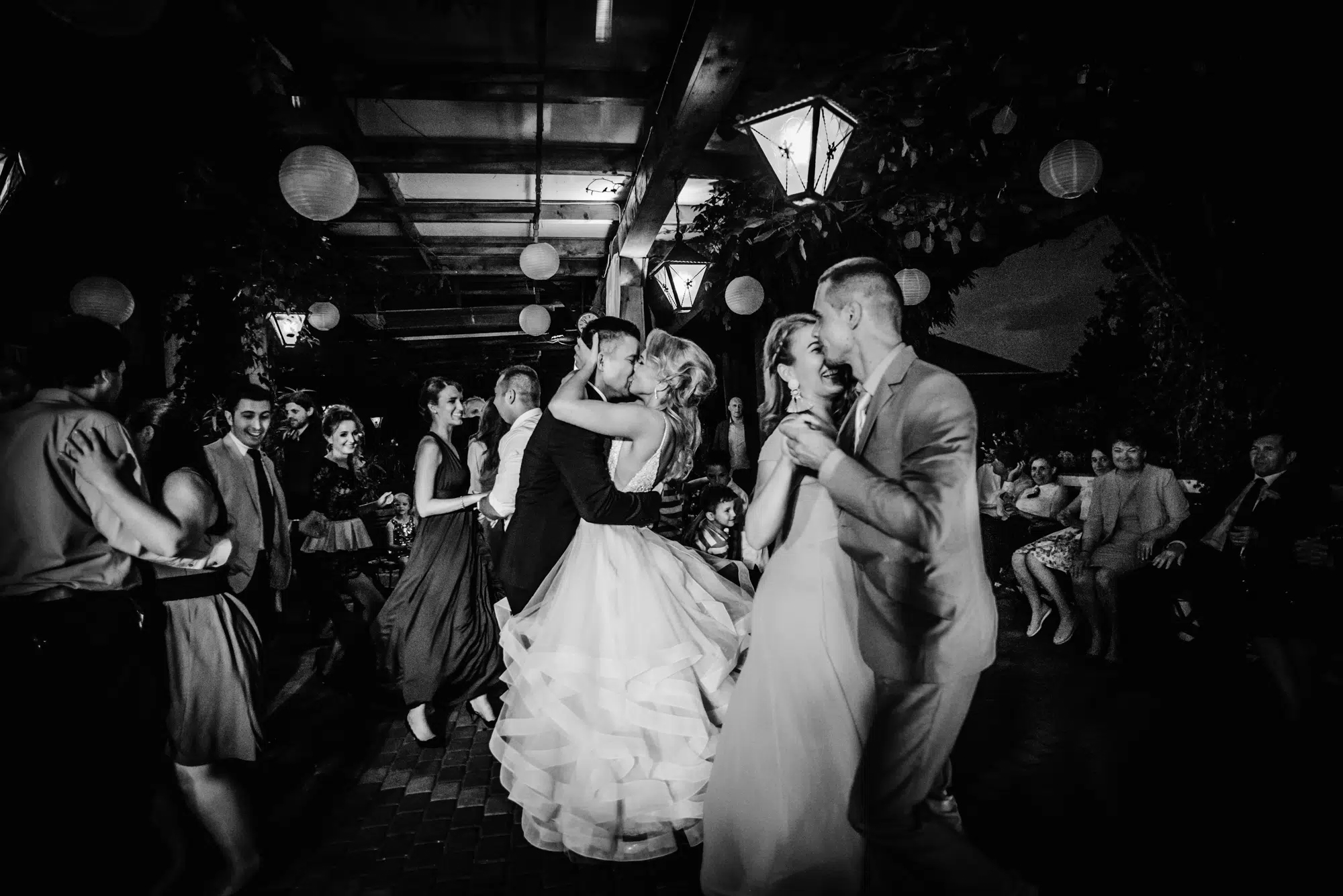
We’re not creating a set. We’re responding to reality as it unfolds. The skill lies in anticipating emotion, understanding human behaviour, and composing instinctively in real time.
That does not mean passive.
That does not mean careless.
And it absolutely does not mean unskilled.
Organisations like This Is Reportage exist specifically to celebrate non-staged wedding photography as a distinct craft within the industry.
The emphasis is on real moments, real reactions, and real human behaviour.
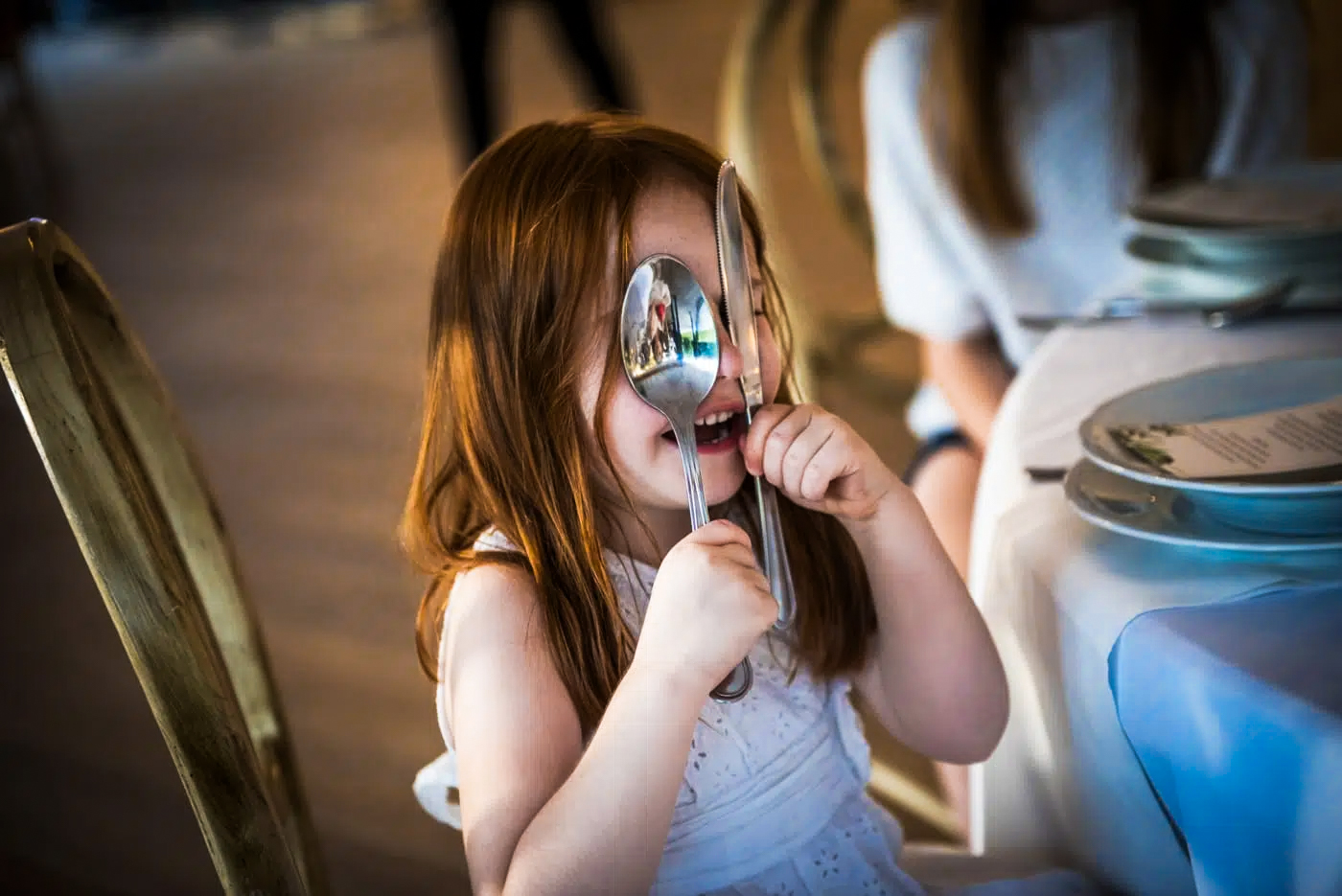
But here is the part most blog posts skip (but not this one).
Documentary photography is not simply “letting things happen.” It is an active, highly intentional process that requires experience, timing, and emotional intelligence.
What a Documentary Wedding Photographer Actually Does
(And doesn’t do)
Before we go deeper, we need to remove a few misunderstandings.
Documentary wedding photography does NOT mean:
- No family photos
- No couple portraits
- Bad lighting
- No guidance
- Random snapshots
- Chaos
It also does not mean I stand at the back of the room and hope something emotional happens.
In reality, documentary work requires constant awareness. I am always scanning the room, reading body language, observing energy shifts, and anticipating reactions before they peak.
The difference is simply this:
I do not interrupt real moments to create artificial ones.

What documentary style wedding photography requires
The technical side, most people don’t explain
After more than 13 years of photographing weddings across the UK and internationally, I’ve learned that documentary work is anything but passive. It demands precision. You have seconds to respond to a shift in light during a ceremony, or a split second to frame a reaction during speeches. The difference between an average candid photo and a powerful documentary image is timing, positioning, and lived experience.
This is where experience matters.
Strong documentary wedding photography requires:
1. Anticipation
After photographing hundreds of ceremonies and speeches, you begin to recognise patterns. You know when someone is about to laugh before they do. You know when a parent’s expression shifts just before tears.
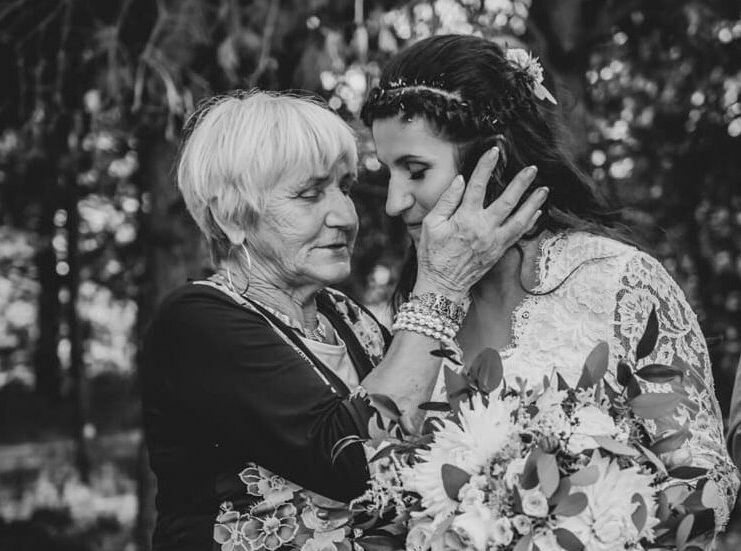
It’s subtle, human. It’s learned.
2. Positioning Without Disruption
I move quietly. I reposition myself without blocking guests or pulling attention. During ceremonies, I plan angles in advance to capture both the couple and the reactions behind them.
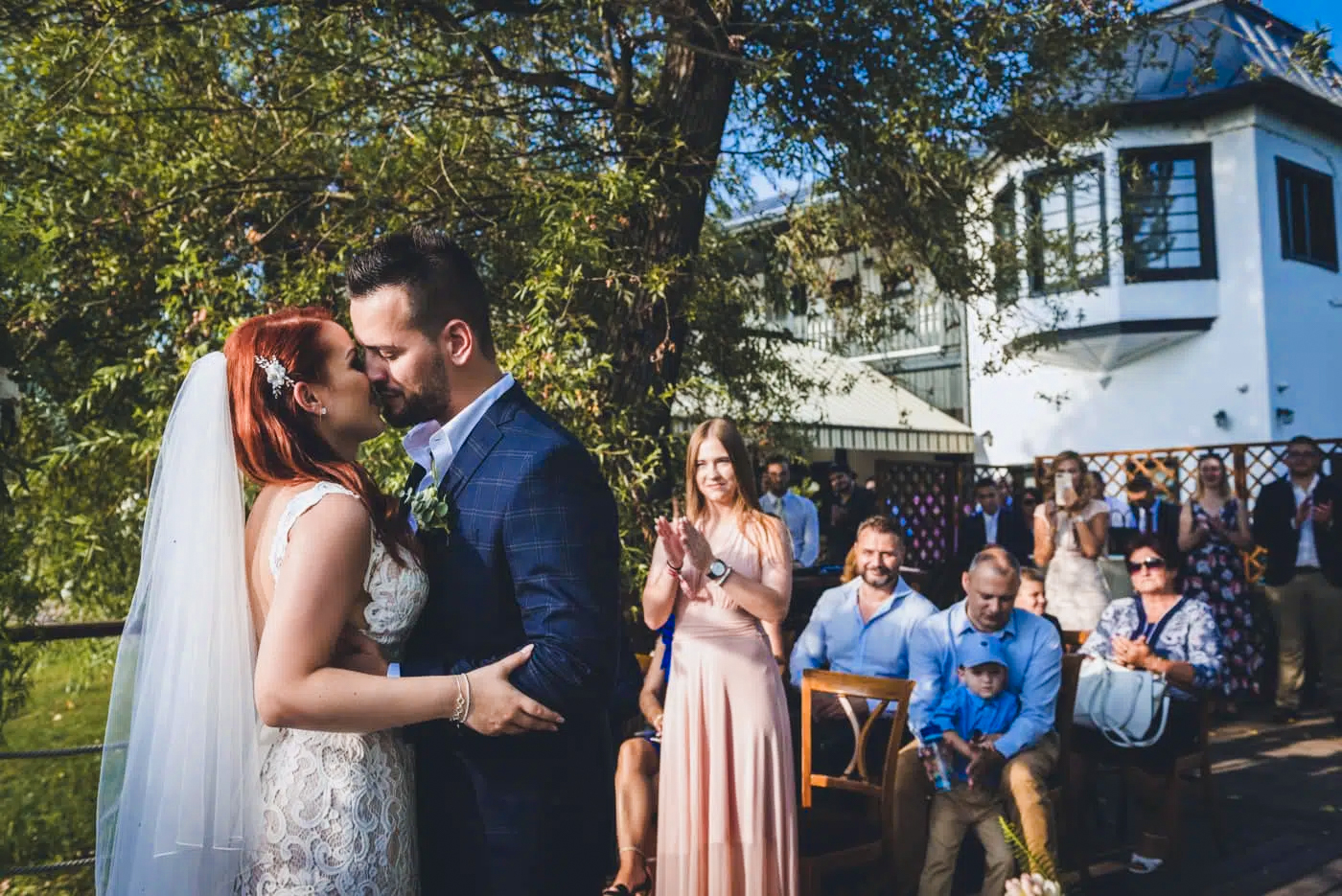
That doesn’t happen by accident.
3. Light Awareness in Uncontrolled Environments
Weddings are rarely held in perfectly lit studios. There are mixed lighting conditions, dark churches, bright windows, fairy lights, and dance floors.
Documentary does not mean ignoring light. It means working with it.
I adjust exposure manually and anticipate backlighting. I use flash carefully and intentionally when needed (especially later in the evening) so that the atmosphere is preserved without ruining it.
4. Lens Choice and Distance
Longer focal lengths allow me to stay physically further away while still capturing intimacy. That distance helps you feel less observed.
But distance alone isn’t enough. You need to know when to step closer. When the emotion is quiet. When the moment deserves proximity.
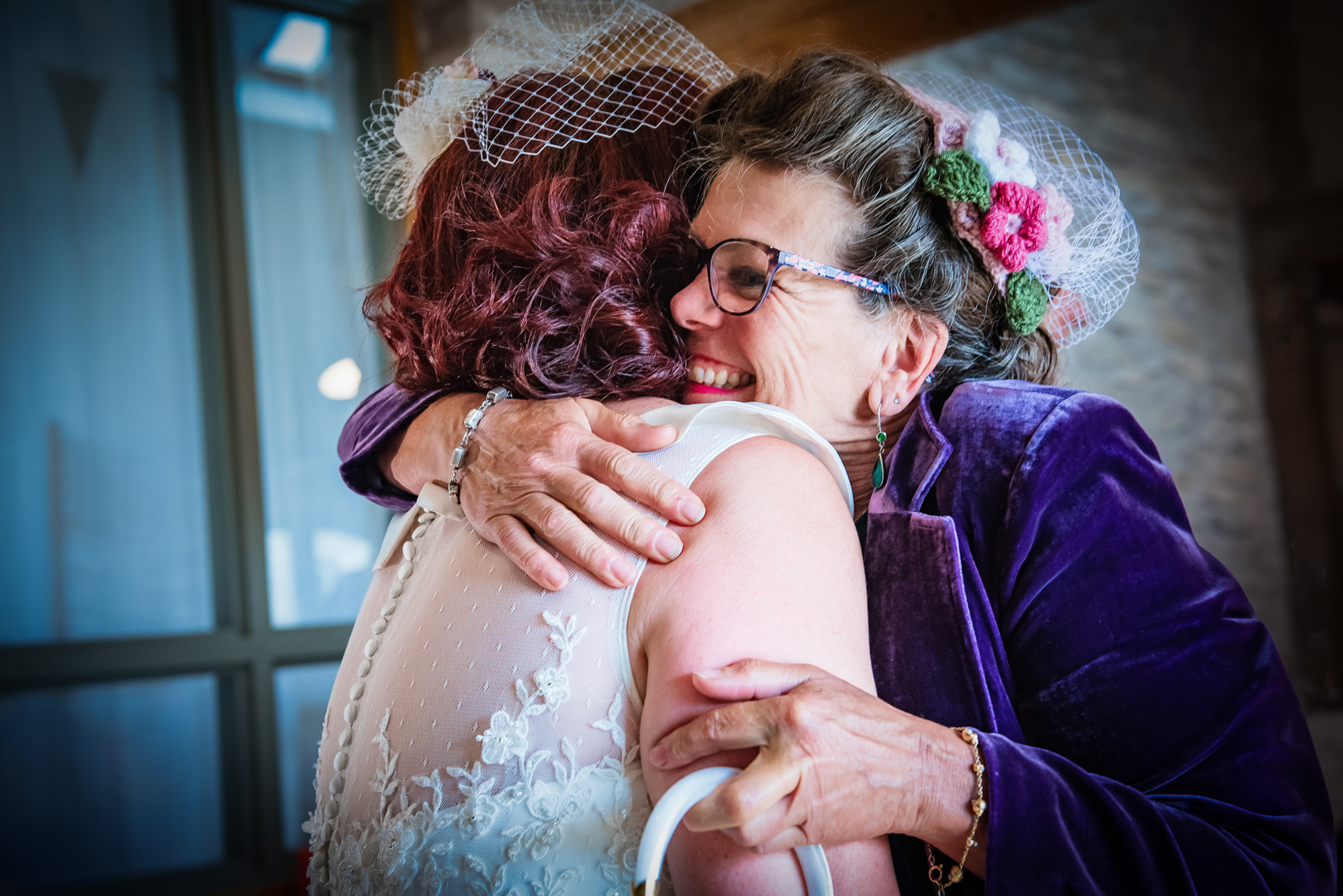
5. Emotional Intelligence
This one is rarely talked about, but it’s critical.
You have to understand people. You have to sense when someone needs space. When someone is overwhelmed. When humour is masking nerves.
As a female wedding photographer, I often find couples open up quickly because I don’t come in loud. I come in steady. Calm. Observant.
Documentary photography is as much about reading people as it is about cameras.
How Documentary Wedding Photography Feels on a Real Wedding Day
Let’s walk through it.
Morning Preparations
Mornings are rarely perfectly tidy. There are bags. Dresses hanging from doors. Someone is looking for shoes.
Instead of rearranging the room into something artificial, I work within what’s already there. I might move a chair slightly to improve the light, but I am not redesigning your space.
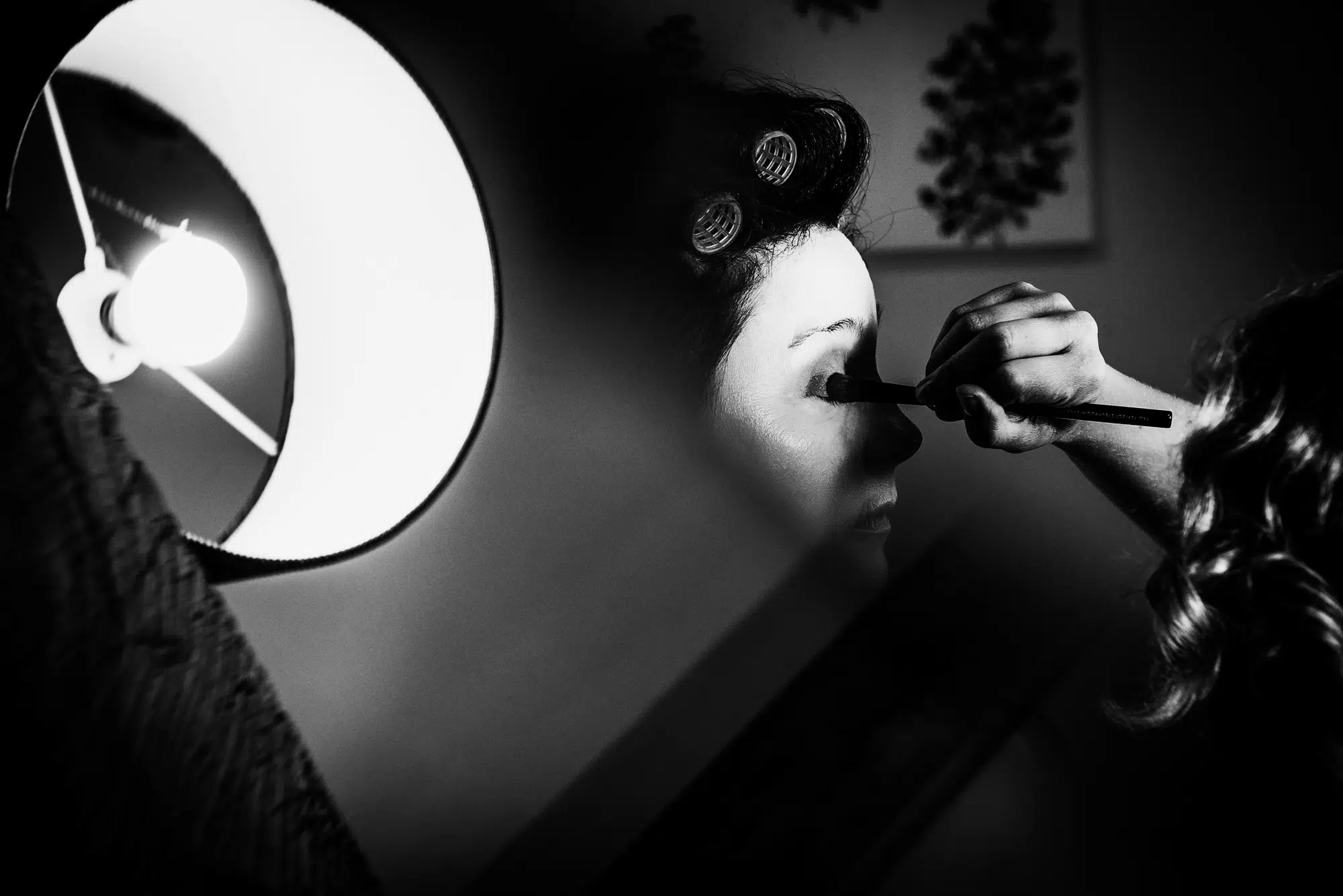
I’m watching how your sister fixes your necklace.
Noticing how your partner sits quietly before the ceremony.
Observing the small pauses between conversations.
You are allowed to feel your morning.
You are not being asked to perform happiness.
The Ceremony
This is sacred space.
No stopping the aisle walk.
There will be no asking you to repeat your kiss.
No stepping into the middle of your vows.
Before the ceremony begins, I carefully choose positions. I think about sightlines and think about where reactions will be strongest. I think about how to move without being seen.
Often, the most powerful images are not just of the couple. They are among the people watching the couple.
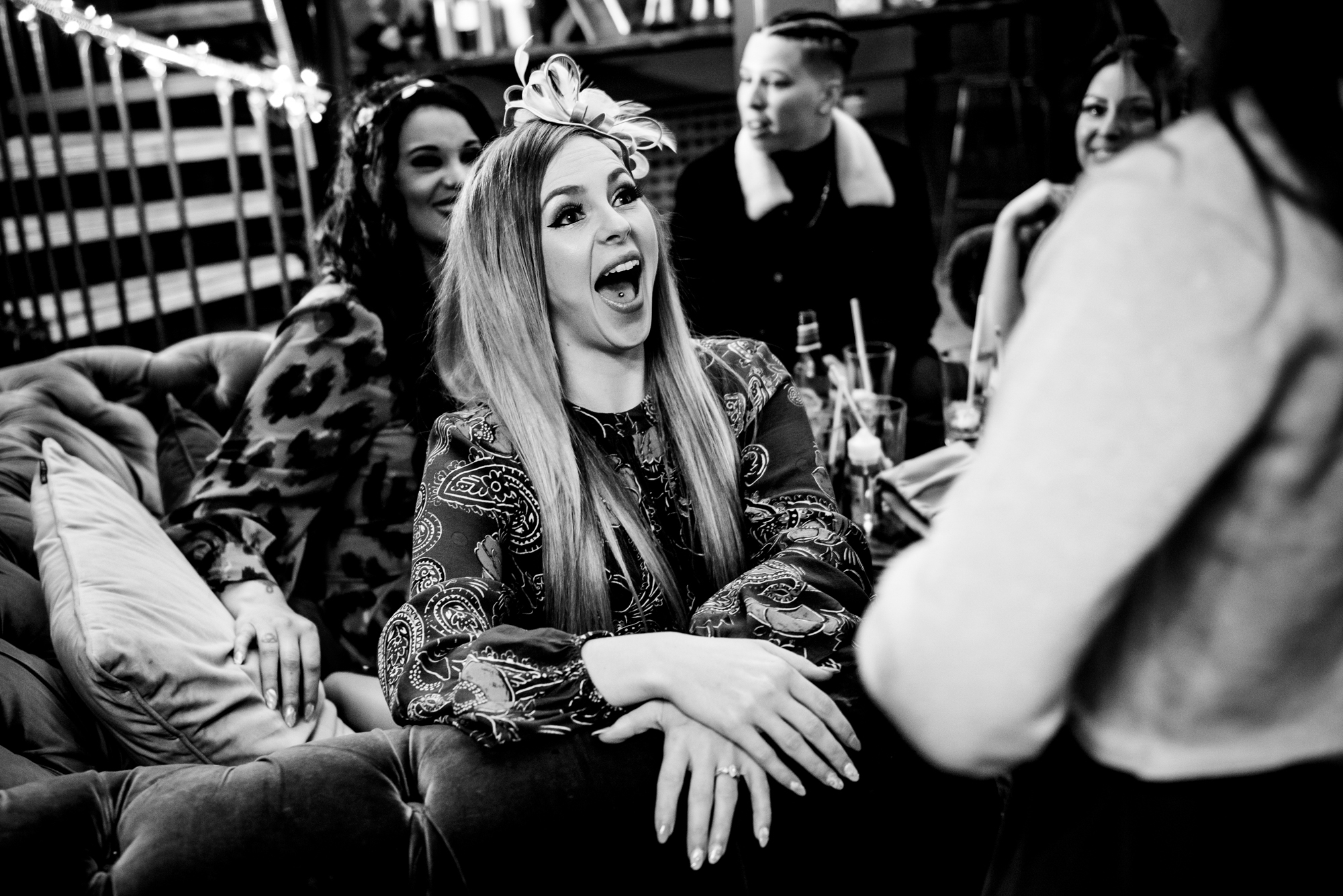
Your mum’s hands are shaking slightly.
Your best friend is grinning uncontrollably, or your partner’s expression before you turn around.
Those moments cannot be recreated later.
Drinks Reception
This is where documentary photography truly shines.
You are moving. Hugging. Laughing. Talking to people you haven’t seen in years.
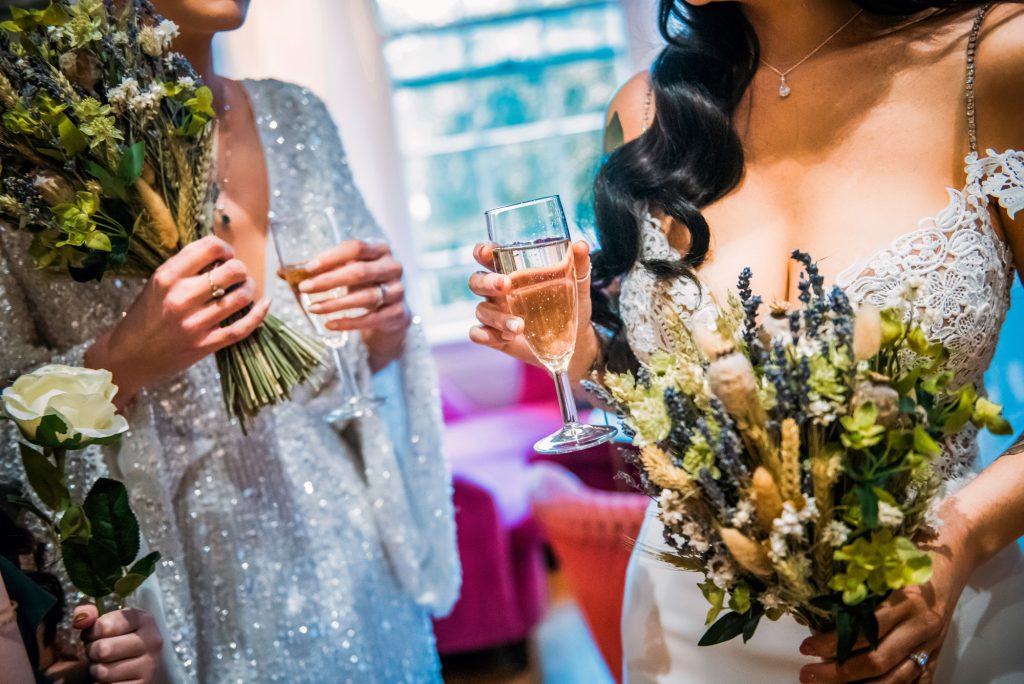
If I were constantly calling you away for photos, you would miss this.
Instead, I move through the crowd quietly. I look for interaction. I look for connection and for the release of tension.
Later, when you see your gallery, you will discover conversations you didn’t witness. You’ll see who was laughing together. Who cried during speeches. Who danced the hardest.
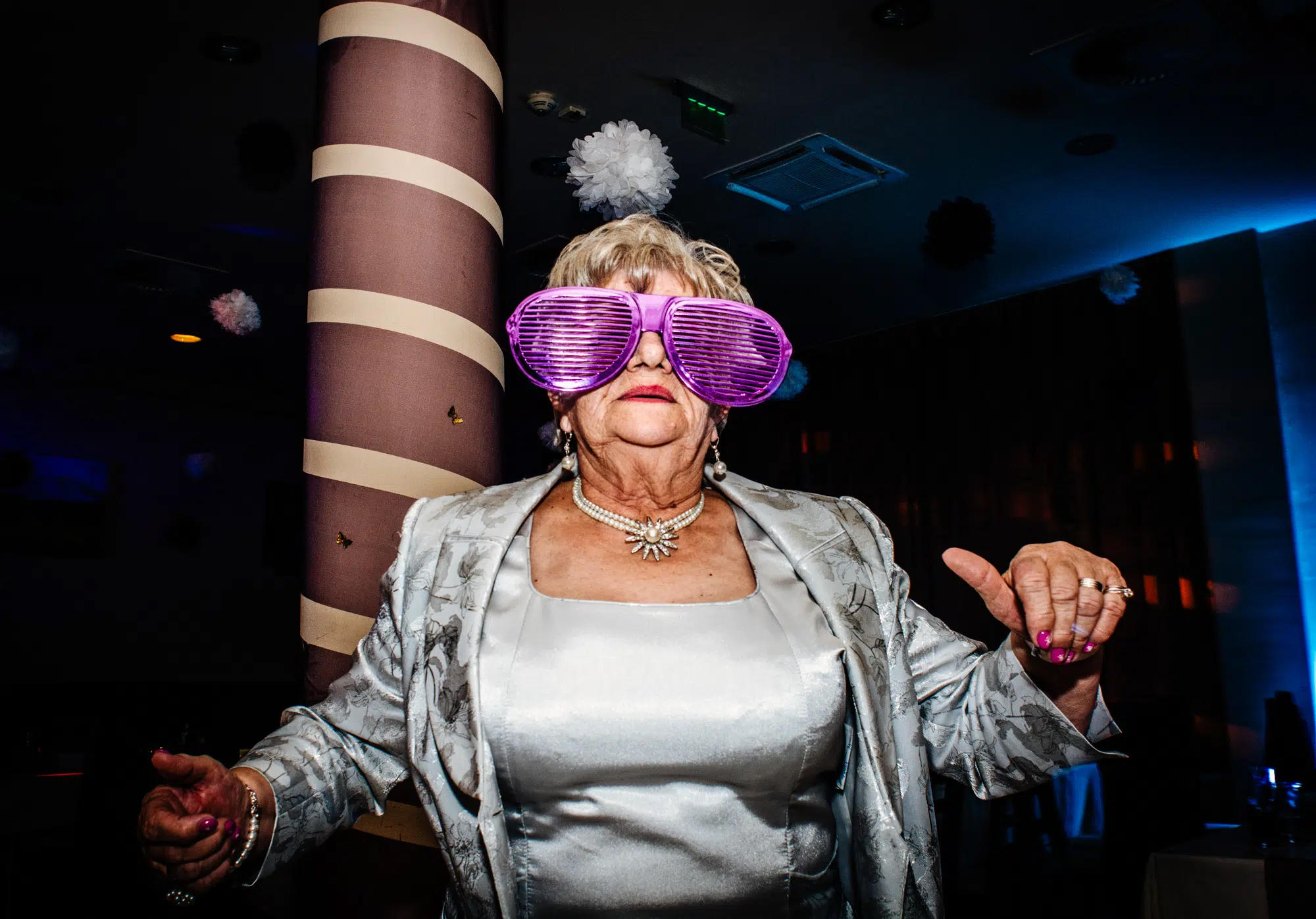
Your wedding becomes bigger than what you personally experienced.
Couple Portraits
I am not anti-portrait.
You deserve beautiful images together.
But here is the difference.
We step away briefly. We find good light. I give gentle guidance. I might ask you to walk. To breathe. To talk about something that makes you laugh.
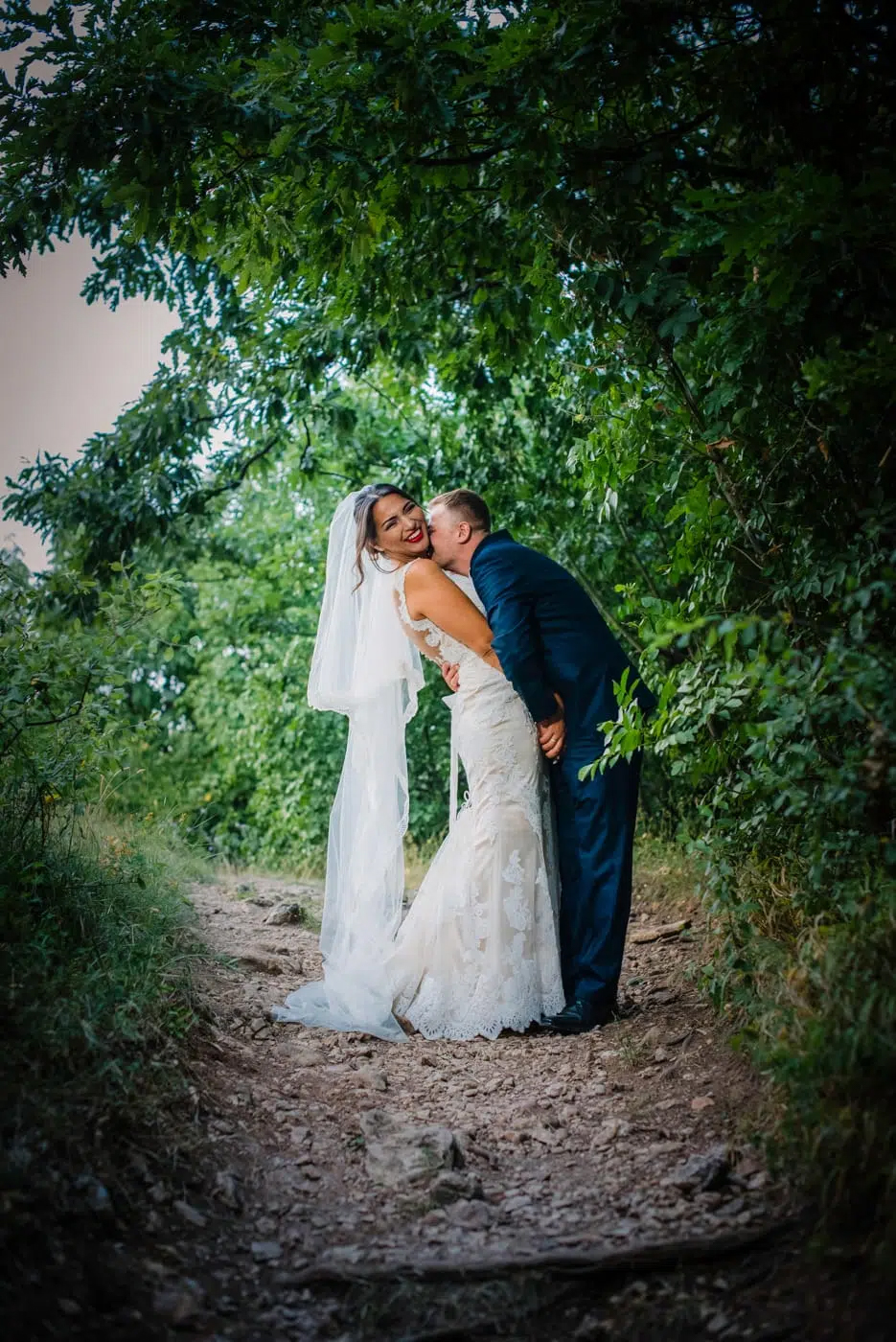
I am not constructing romance. I am allowing it space.
Most couples only need 15–25 minutes to create something powerful.
And then you return to your guests.
You do not miss your own wedding.
Documentary vs Editorial vs Traditional Wedding Photography
It’s important to understand the differences clearly.
Documentary Photography
- Observes real moments
- Prioritises atmosphere
- Minimal interruption
- Narrative-driven
Editorial Photography
- Design moments intentionally
- Often fashion-led
- Strong posing and styling
- Higher level of direction
Traditional Wedding Photography
- Structured shot lists
- Formal family groupings
- Clear posing instruction
- Strong time control
Here’s a simple comparison:
| Feature | Documentary | Editorial | Traditional |
|---|---|---|---|
| Moments | Observed | Designed | Directed |
| Direction | Low | High | Moderate |
| Focus | Emotion & presence | Visual impact | Structure & formals |
| Portrait Time | Short & relaxed | Longer & styled | Structured blocks |
None of these is wrong.
But they create very different experiences.
If your priority is presence and connection, a documentary is often the most natural fit.
Who Documentary Wedding Photography Is Perfect For
It is likely right for you if:
- You dislike constant direction
- Want to enjoy your guests
- Care about real reactions
- Value atmosphere over perfection
It may not be ideal if:
- You want heavy posing throughout the day
- Love fashion-led styling
- Prefer tight control and structure
And that is okay.
The right choice is the one that aligns with how you want your wedding to feel.
Real Questions Couples Ask
Eszter beautifully captures candid, natural moments in a truly unique style.
Ready to start
Planning your dream wedding or elopement?
Hi, I’m Eszter.
I don’t just photograph weddings; I hold space for a day that feels yours completely, and I document it in a way that lets you stay present in it.
I care about how you feel just as much as how your photos look, and want to understand what makes you soften, what makes you laugh, what makes you feel steady and safe. Then I shape the experience around that energy, gently guiding when needed and stepping back when the moment deserves to breathe.
Because this isn’t about staging something impressive.
It’s about honouring the love you’ve built and creating photographs that feel as real and alive as the day itself.
Let’s start our journey
Start by filling in the enquiry form, and we’ll take it from there. Don’t worry, you don’t need everything planned out yet. That’s why we are here, to help you on the way!
Hit send, and I’ll be in touch within 2 working days (I promise).
Not ready yet?
Why don’t you download our Relaxed Wedding Blueprint first? You’ll find timeline tips, ways to avoid the awkward photo stress, and small adjustments that make a big difference in your day.