

What Wedding Photography Style Should You Choose?
You’ve got 14 tabs open. Every photographer’s work looks lovely, and somehow that’s made it worse, not better. One says fine art. One says documentary. One says light and airy. Another says dark and moody. And you’re sitting there thinking, I just want nice photos of my wedding, why does this feel like a personality test?
Here’s the thing nobody tells you. The word “style” is doing two completely different jobs at once, and that’s exactly why choosing a wedding photography style feels impossible.
I’ve been photographing weddings for over a decade, and I promise you don’t need to learn 10 style names to make a good decision. You need 2 questions. That’s it.
This is the honest version. I’ll tell you which styles I think are overhyped, which one is the most misunderstood, and why a couple of the labels you keep seeing don’t mean what you think they mean. By the end, you’ll know roughly where you sit, and you’ll know how to look at any photographer’s work and tell whether it’s right for you.
Why Wedding Photography Styles Feel So Confusing
Most guides hand you a glossary of 10 styles and tell you to pick the one that resonates with you. If you knew which one resonated, you wouldn’t be reading this.
The real problem is that “style” means two separate things, and couples and photographers each mean a different one.
When a photographer says style, they usually mean how the day is shot. Are people guided into position, or photographed as things happen?
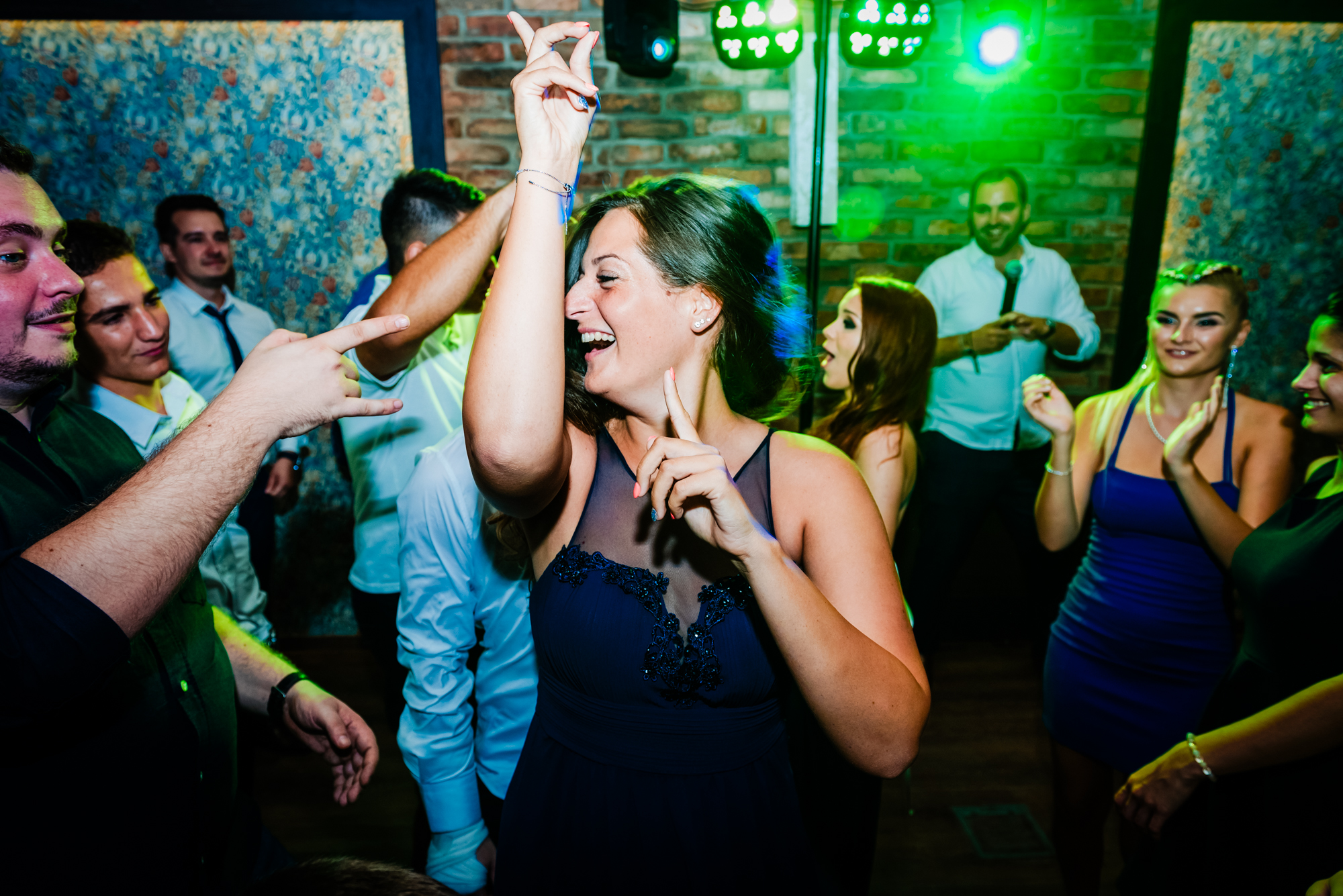
When you say style, you probably mean how the photos look. Bright and soft? Deep and shadowy? Warm? Cool?
Those are two different decisions. The internet mashes them together, which is why one guide will list “documentary” right next to “light and airy” as if they’re the same kind of choice. As one photographer’s guide puts it, the word is simply doing too many jobs. One is about approach. The other is about looks.
Once you split them apart, the whole thing gets calmer. So let’s take them one at a time.
The First Question: How Much Do You Want to Pose?
This is the approach question, and it’s the one I’d answer first. Be honest with yourself here, because it changes everything about how your day feels, not just how the photos look.
So, how do you feel about standing in front of a camera and being told what to do with your hands?
Documentary, or Not Posed at All
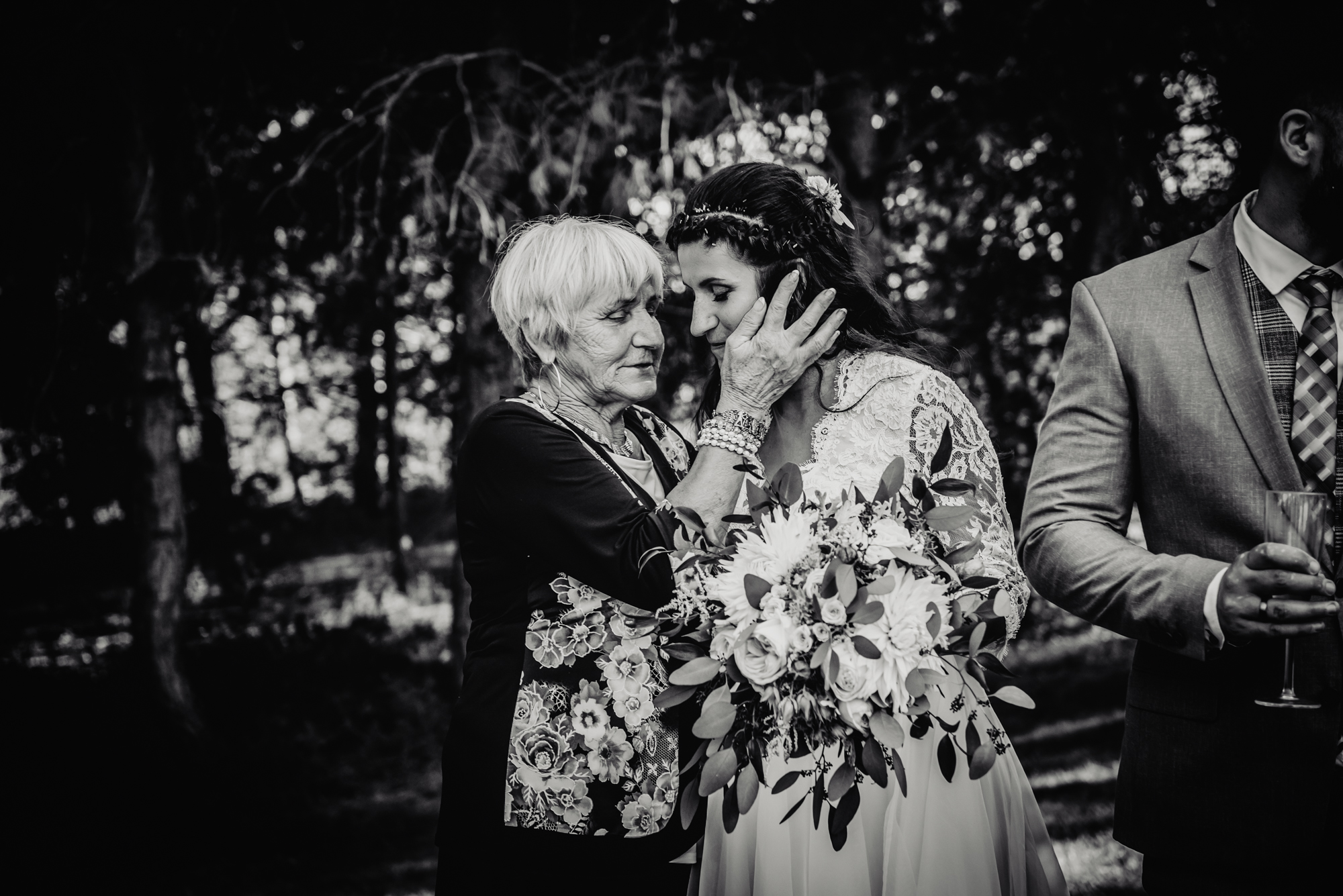
This is where I sit, and I’ll be upfront about that. Documentary photography means I photograph your day as it actually happens. The speeches, the hug from your nan, the friend crying before you’ve even started your vows. I’m not arranging it. I’m watching for it.

It comes from photojournalism, which is where I started, years before weddings, photographing news as it unfolded with no chance to ask anyone to do it again. That training is the whole job here. Reading a room, knowing where to stand, seeing the moment a beat before it happens.
If you hate posing and want to be present at your own wedding instead of performing it, this is the end of the scale for you. You’ll find more on what that actually looks like on my natural, unposed wedding photos page, and it’s the heart of how I work as a documentary wedding photographer.
Traditional and Posed
I’ll be honest, because that’s the point of this post. Fully traditional, posed photography is the one I think sets couples up for disappointment most often.

Not because posed photos are bad. A few are lovely, and you should have some. The problem is that a day built around posing assumes every wedding is the same, and every wedding is different. The light is different. The venue is different. The way your people behave is different.
When a photographer runs through a fixed list of set-up shots, they’re photographing a template, not your day. And the moments that actually move you, the ones you didn’t plan, tend to happen while everyone’s being arranged for the next group photo.
Some couples genuinely want the formal album, and if that’s you, that’s allowed. Just go in knowing what you’re trading for it.
The Middle Ground Most Couples Actually Want
Here’s the part most guides skip. Almost nobody sits at the far end of either scale.
Most couples want their day photographed as it happens, plus a little gentle steering for a handful of portraits of the two of them. That’s it. That’s the sweet spot, and it’s completely normal to want both.

One couple I worked with, Eleanor and her partner, told me afterwards they got exactly the right amount of direction. Enough to feel looked after for their portraits, not so much that the day turned into a photoshoot. That balance is what most people mean when they say they want candid wedding photography with “a few nice ones of us.”
The Second Question: What Should It Look Like?
Now the look. This is the part you can actually feel from an Instagram grid, and it’s where the strong opinions live.
Light and Airy
I’ll say it. Light and airy is overhyped.
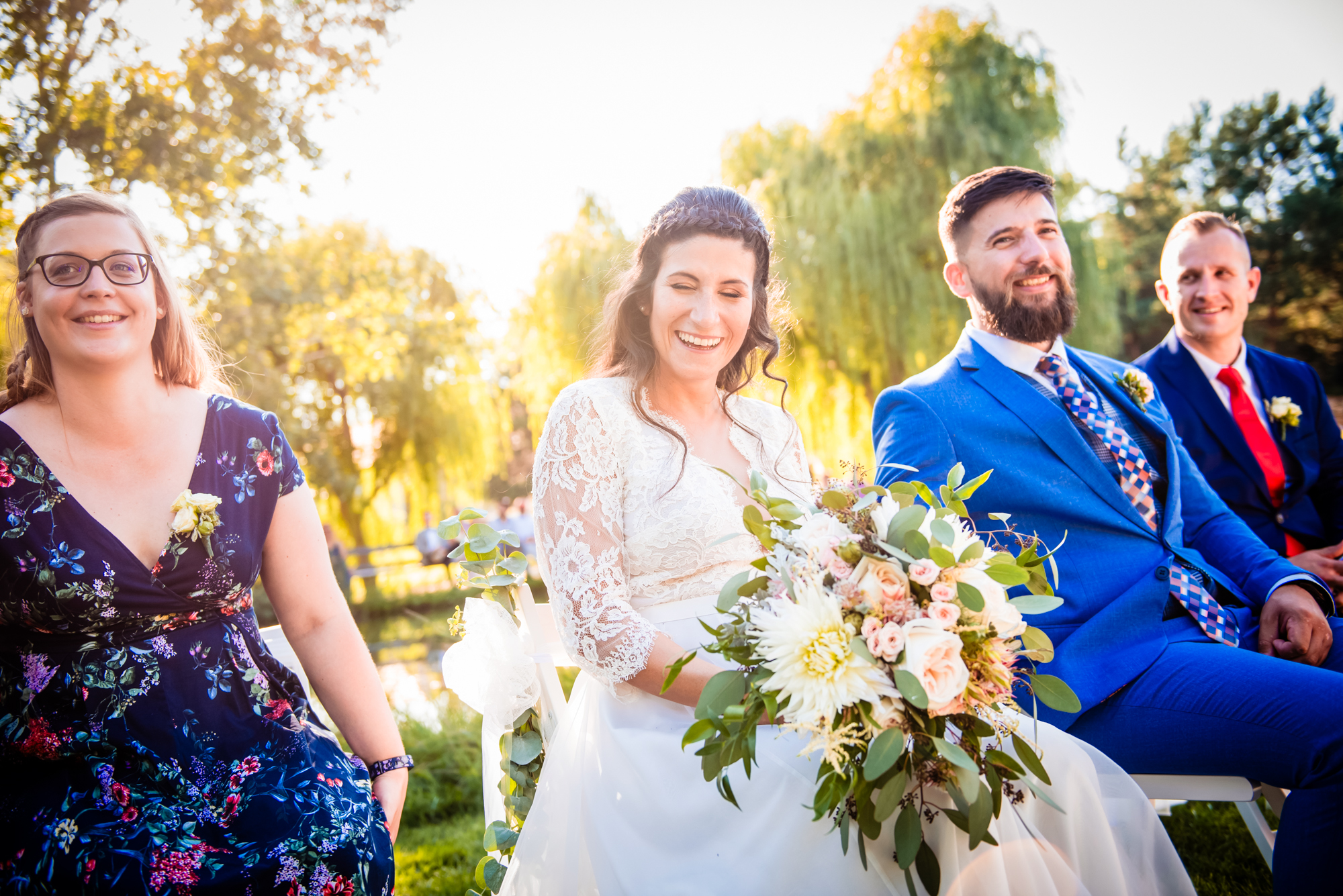
It’s everywhere because it’s safe and it photographs well on a phone. Pale, soft, bright, a little washed out. There’s nothing wrong with it, and in the right setting, it’s lovely. But it’s become the default couples reach for because they’ve seen it everywhere, not because it suits them or their venue. A soft, sunlit barn in June, sure. A candlelit room in November, and it falls apart.
Dark and Moody
This is the most misunderstood style on the list, and it’s the one I’d defend hardest.
Couples think dark and moody is a filter. It isn’t. It’s the hardest look to do well, because it lives or dies on lighting, and lighting is a skill, not a preset. Deep shadows, rich tone, atmosphere that feels like the room actually felt. Get it slightly wrong, and you’ve got muddy, underexposed photos. Get it right, and it’s the most cinematic work there is. As other guides note, it works best in specific settings: industrial spaces, candlelit ceremonies, winter weddings, evening receptions, rooms with dramatic architecture.
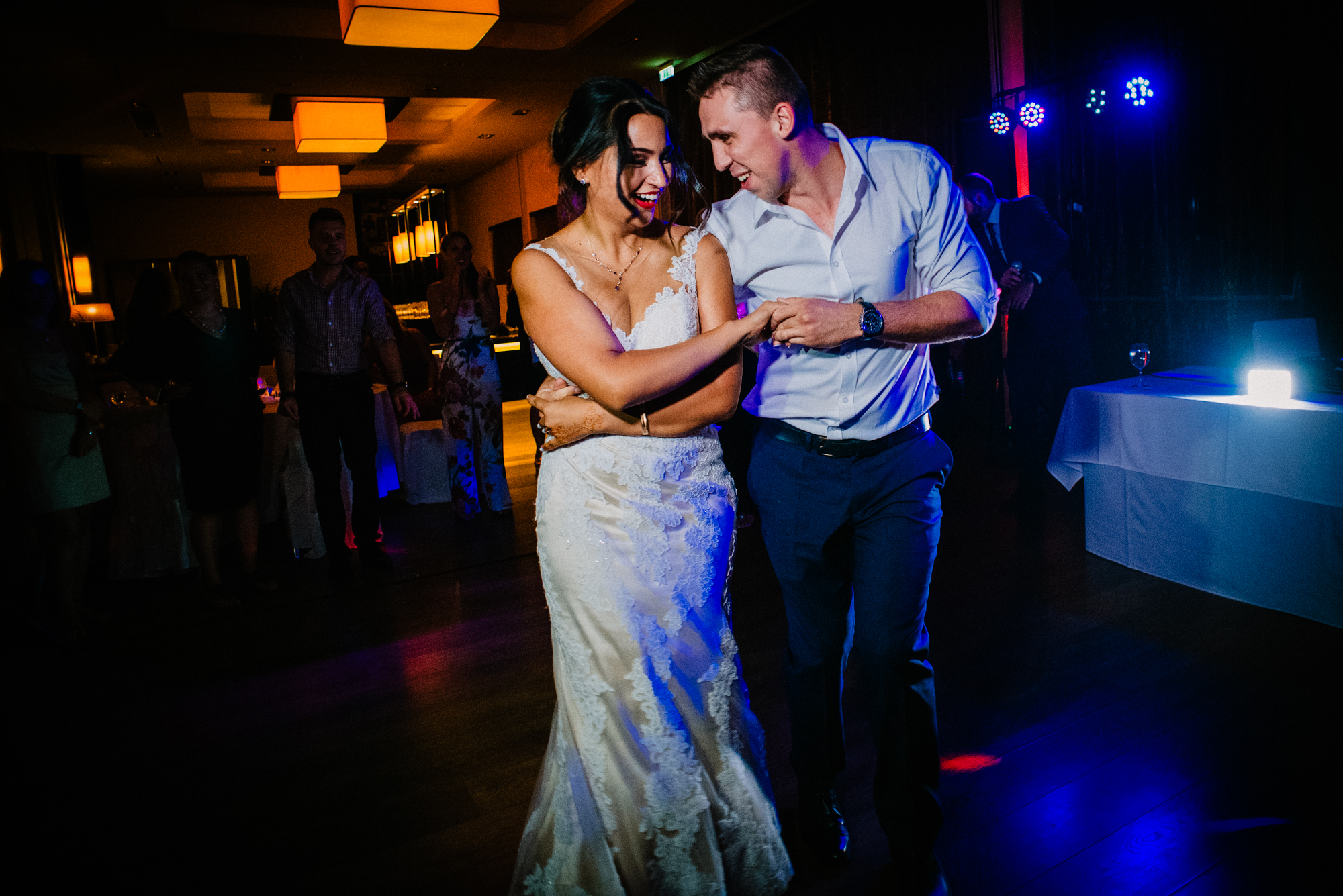
This is exactly why I shoot every wedding with George on lighting, as standard, at every single wedding. At Corrie and Mark’s wedding at The Mount Without, they held their cocktail hour and speeches in a catacomb under an old church. No window light, lots of atmosphere, the kind of room that swallows a camera whole. Getting photos that show that atmosphere, and feed in just enough light without flattening it, is not something you can wing. It’s setup, settings, and two people who know what they’re doing.
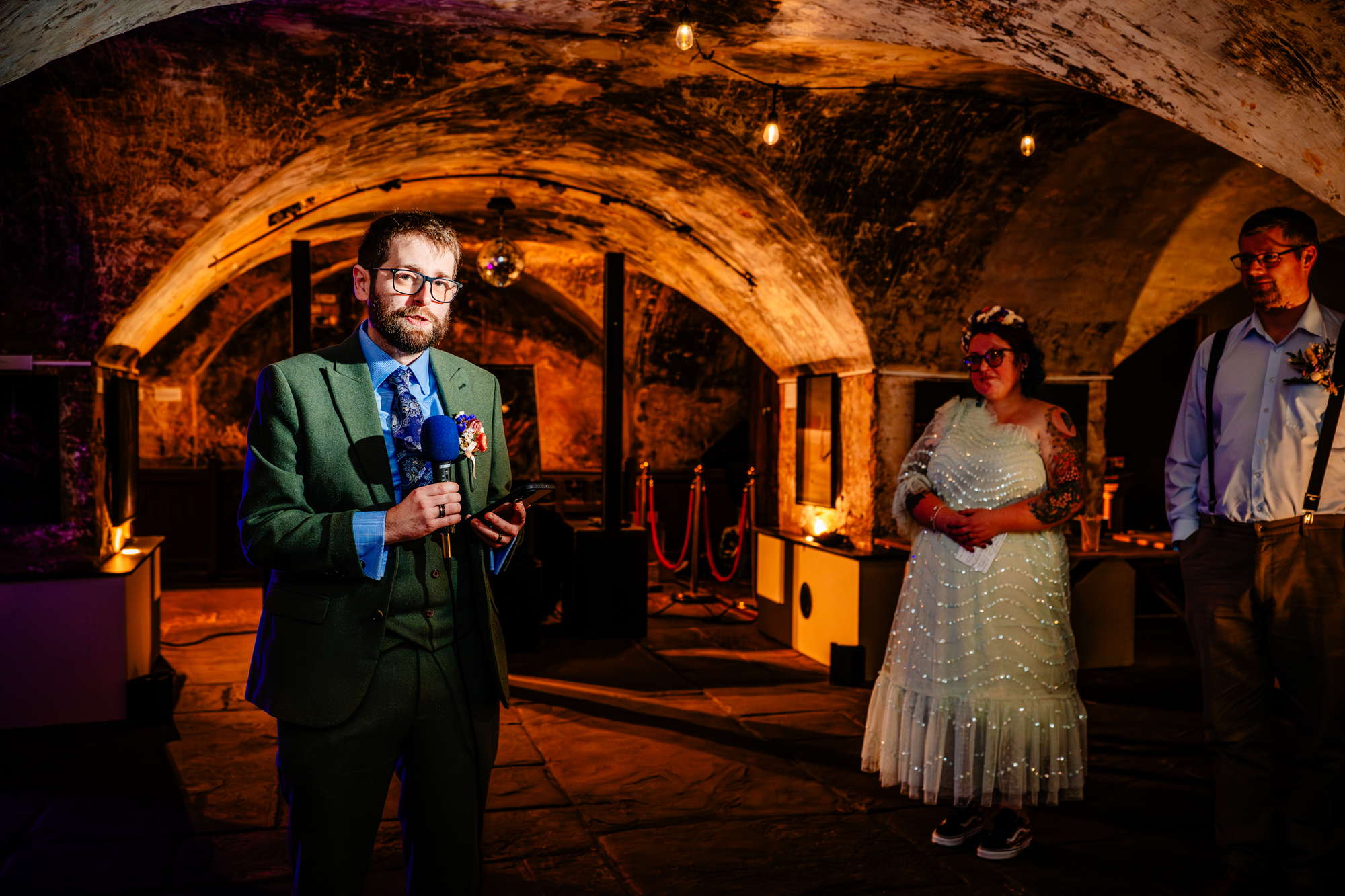
The same skill matters outdoors, by the way. At sunset, the job flips. Now you’re adding light without overpowering the light that’s already there. Most of the time, if a photographer can hand you genuine dark and moody work, it’s a sign they actually understand light. That’s also the territory a lot of alternative wedding photographer work lives in.
Fine Art and Editorial
These two get used to mean almost anything, so be a little wary of them.
Fine art should mean considered composition, lovely light, images that hold up as pictures on their own. Editorial should mean a fashion-shoot feel, more directed, more styled. Both can be wonderful in the right hands.
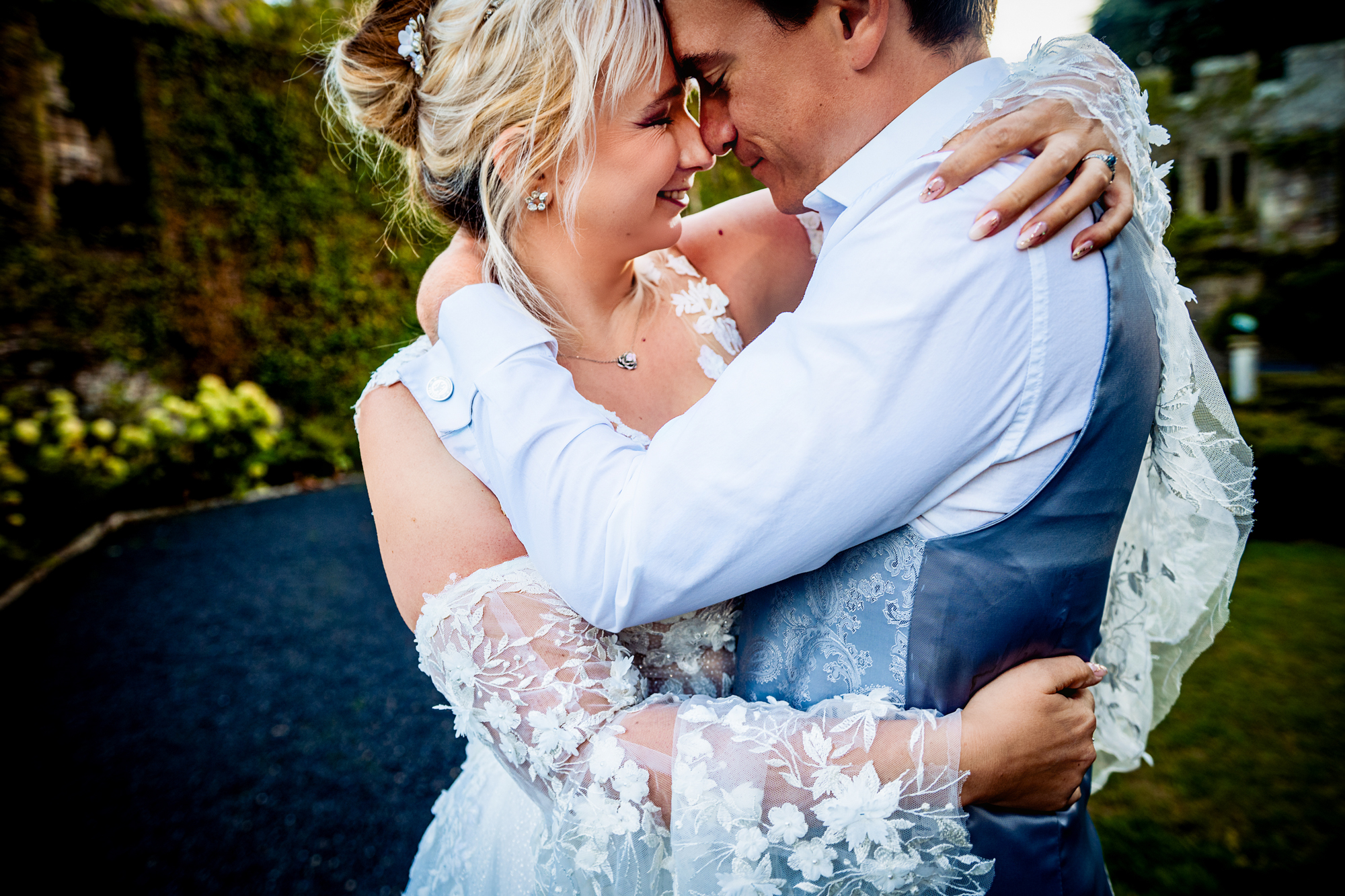
But here’s my honest gripe. A lot of soft, out-of-focus images get sold as “fine art” or “editorial” when really they’re just not very sharp. Softness is not the same as skill. Before you fall for a label, look closely. Is the blur a choice that adds something, or is it covering for photos that simply aren’t in focus? You’re allowed to ask.
Let Your Venue Break the Tie
If you’re still stuck between two looks, your venue will often decide for you. And sometimes you know your venue before you know anything else, which means you can work the other way round. Pick the look your space wants, then decide how posed you’d like to be.
A bright coastal venue or a garden in midsummer leans light and airy almost on its own. A candlelit warehouse, a winter evening, a room with deep shadows and character leans dark and moody. A catacomb, like Corrie and Mark’s, makes the decision for you the second you walk in.
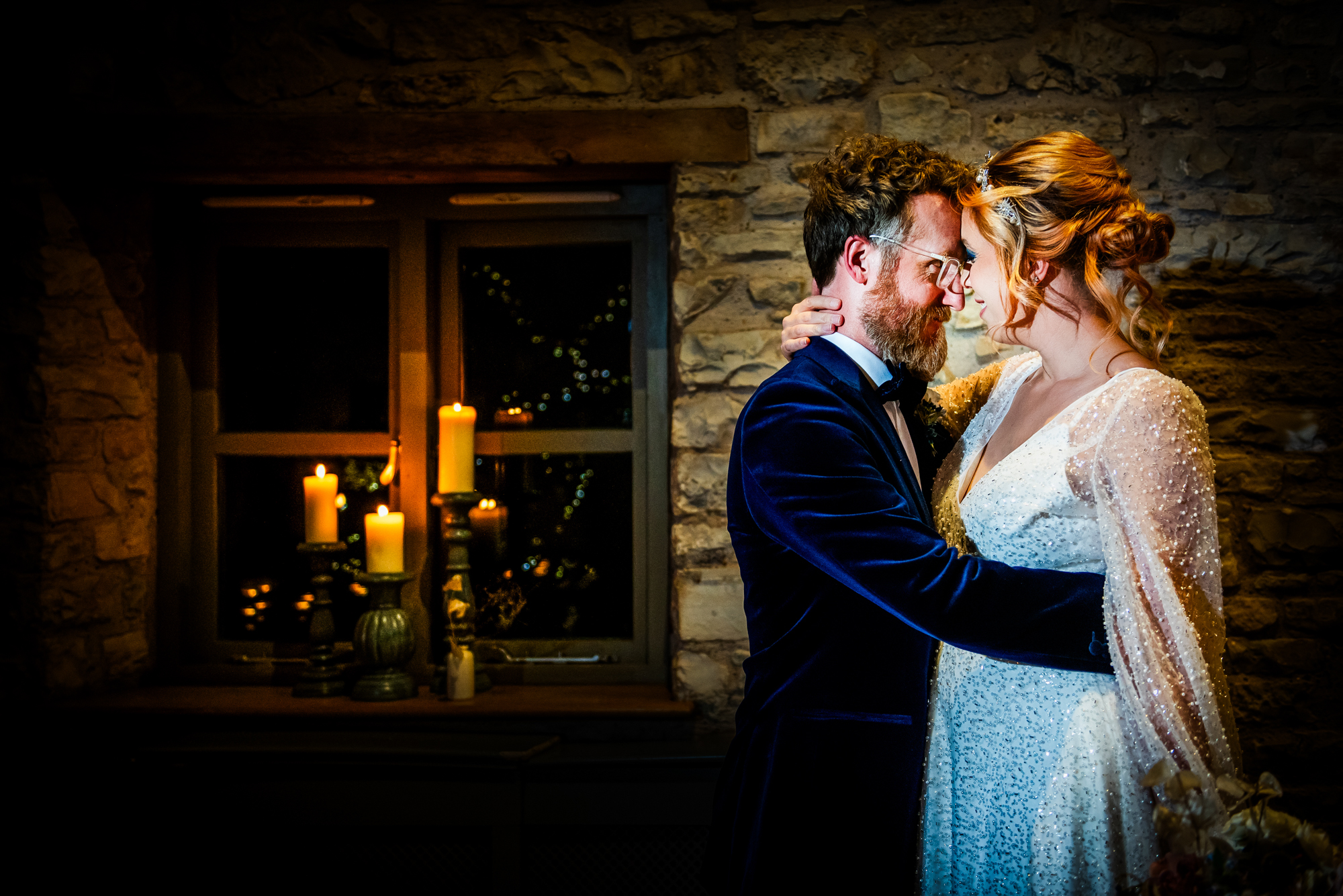
So if the styles still feel abstract, start with where you’re getting married and work backwards. The space is already telling you something.
How Do I Actually Choose My Wedding Photography Style?
Right, the practical bit. Here’s exactly what I’d do if I were you.
Start with the first question. How comfortable are you posing? Be honest. That alone tells you whether you’re looking for a documentary photographer, a traditional one, or someone in the middle.
Then the second question. Which look pulls you in? Use your venue as a tiebreaker if you need to.
Then go and actually look at photographers’ work, properly. Not one hero image. A full gallery, ideally a whole wedding from morning to night.

A few things to do, and a few to watch for:
- Pay attention to how the dark, low-light photos look. That’s where skill hides or shows.
- Look at full galleries, not highlight reels. Anyone can get 5 good frames. You want to see whether they can hold a look and a standard across an entire day.
- Save 10 screenshots of images you’re drawn to, from anywhere. Patterns show up fast. You’ll notice whether you keep saving bright or moody, posed or unposed.
- Be wary of galleries that are all portraits and no moments, or all moments and no thought. You want both.
- Watch out for soft, blurry work dressed up as a style. Check it’s a choice, not a cover.
What Matters More Than Style
Here’s the thing I most want you to take away. The style label matters far less than whether the photographer can deliver across a real, unpredictable day.
A photographer who can only produce one look is a risk, because your wedding won’t hold still for them. Morning prep, a dim ceremony, bright group photos outside, a dark dance floor. That’s 4 lighting situations in one day. The person you want is the one who can move between them without panicking, and still make it all feel like one story.
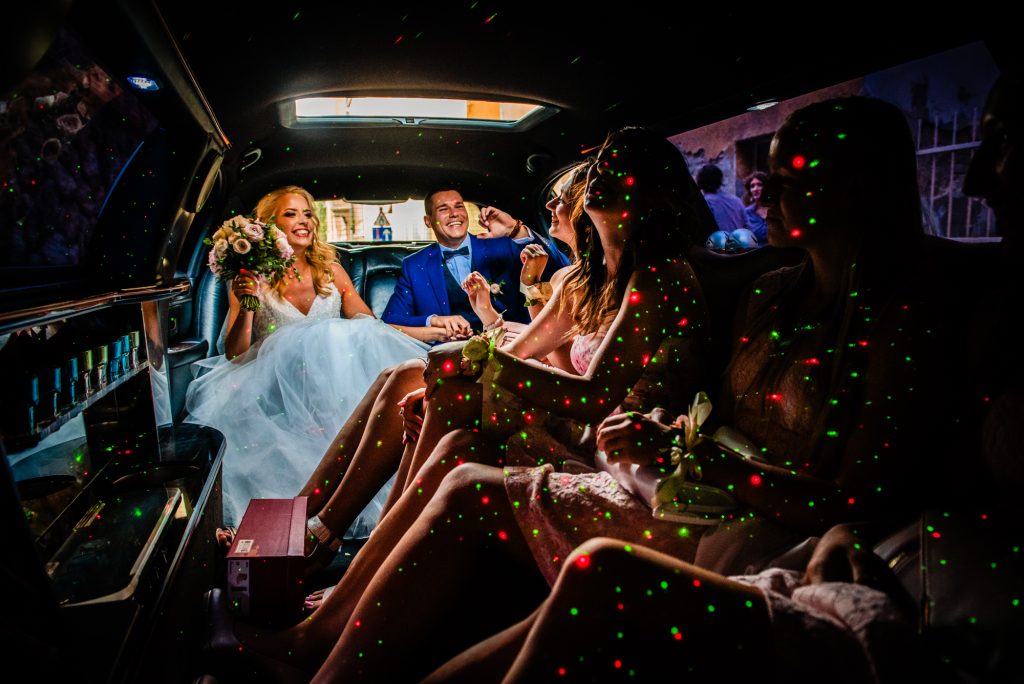
That comes from experience and training, not a preset. It’s reading the room from years of doing it. It’s knowing the settings cold. It’s having George on lighting so the hard moments are handled, not hoped for. Couples like Nat and Jon have told me they just knew from the work that I’d get it, and got real moments back exactly as they’d wanted. That feeling, when you look at someone’s photos and think that’s how I want to feel, is worth more than any style name.
Bringing It Back Down to Earth
Forget the 10-style glossary. You’ve really got 2 questions. How much do you want to pose, and what should the photos look like? Answer those honestly, and you’ve narrowed the field more than any guide can.
Let your venue lead if you’re torn. A space with atmosphere wants different photography than a sun-filled garden, and that’s a gift, not a problem.
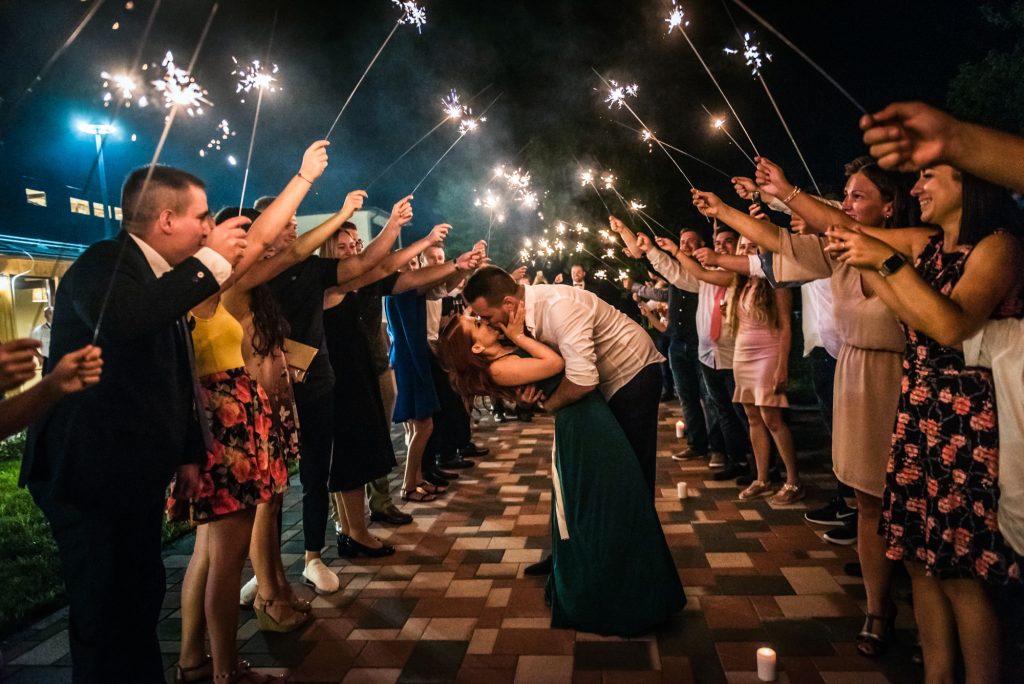
And remember that the right photographer can flex. Style tells you the flavour. Skill tells you whether they can pull it off when your day refuses to go to plan.
If you want to see how all of this looks in practice, have a wander through my portfolio. Find the photos that make you feel something, then come and tell me what you’re planning. That’s the whole start of it.
Ready to start
Planning your wedding?
You don’t need to land on the “right” style before you reach out. Most couples don’t know exactly what they want yet, and that’s completely fine. What matters is finding someone whose work makes you feel something, and then talking it through.
If you’re getting married in Bristol or further afield, and you want photos that feel like the day actually felt, fill in the enquiry form and tell me what you’re planning. Even if it’s just a date and a loose idea, I’d love to hear it.
Our related stories
Let’s start our journey
Start by filling in the enquiry form, and we’ll take it from there. Don’t worry, you don’t need everything planned out yet. That’s why we are here, to help you on the way!
Hit send, and I’ll be in touch within 2 working days (I promise).
